
Extraction is necessary when a tooth cannot be repaired predictably or when keeping it would obstruct treatment, damage neighboring teeth, or compromise oral health. By the end, you will know which findings support removal, what examination and consent involve, how simple and surgical extractions differ, and what choices follow a missing tooth.
Key takeaways
- Extraction is necessary when infection or damage cannot be treated predictably.
- Ask what the X-ray shows and whether the tooth is restorable.
- Simple extractions remove visible teeth; surgical extractions require gum or bone access.
- Replace an extracted tooth when nearby teeth, chewing, or appearance need support.
When is a tooth beyond saving?
Pain alone does not prove extraction is necessary. A dentist decides whether the tooth is restorable by examining how much sound tooth remains, whether the root is intact, how much supporting bone is present, and whether infection can be controlled predictably.
A filling, crown, root-canal treatment followed by a crown, or periodontal care may save a tooth that hurts.
A non-restorable tooth has damage that those treatments cannot reliably repair:
- A vertical root fracture splits the root and permits bacteria to reach the surrounding bone.
- Extensive tooth decay below the gumline leaves too little sound structure to seal with a filling or crown. The tooth decay below gumline vs extraction decision depends on whether the decay can be exposed, cleaned, and restored while maintaining a stable gum margin.
- Severe periodontal bone loss leaves the tooth too loose to function, even after gum treatment.
- An infection that cannot be drained, disinfected, sealed, or otherwise controlled predictably may require removal.
An abscess needs treatment of its source: drainage, root-canal treatment, or extraction. Antibiotics alone do not remove infected pulp, a fractured root, or trapped pus; they are mainly used when infection is spreading or causing fever or malaise.
Seek urgent care for facial or neck swelling, difficulty breathing or swallowing, fever, or inability to open your mouth.
What tests come before you consent to extraction?
Consent should follow a dental examination before extraction, not pain alone. The dentist checks whether the tooth is restorable and records:
- Visual inspection for cracks, decay, swelling, and gum changes.
- Percussion, mobility testing, periodontal probing, and bite assessment to identify root, supporting-bone, gum, or bite problems.
- Pulp vitality testing, which helps distinguish inflamed or dead pulp from pain referred from another tooth.
- Dental radiographs. A periapical X-ray shows individual roots and surrounding bone; a panoramic X-ray reviews several teeth, impacted teeth, and jaw structures.
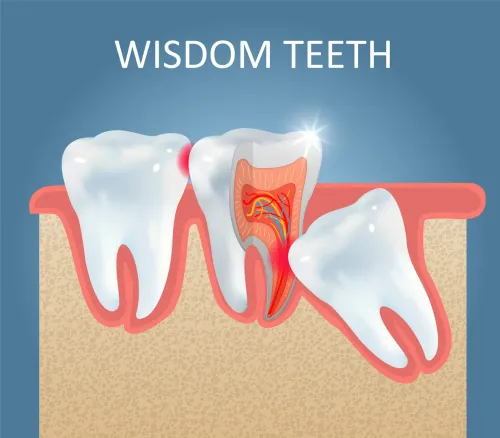
For an impacted wisdom tooth, ask how its angle, depth, available space, contact with the adjacent second molar, and relationship to the inferior alveolar nerve affect removal. This impacted wisdom tooth nerve assessment helps determine whether observation, extraction, or surgical referral is appropriate.
Before treatment, disclose:
- pregnancy or possible pregnancy, diabetes, immune suppression, or bleeding disorders
- warfarin, apixaban, antiplatelet drugs, bisphosphonates, or denosumab
- drug allergies and previous reactions to local anaesthesia or sedation
Do not stop a blood thinner yourself. The dental clinician and prescribing clinician must decide whether any adjustment is appropriate. A clinic such as PRYSM DENTAL STUDIO can coordinate examination, imaging, and treatment planning across dental specialties when extraction affects orthodontic, periodontal, restorative, or surgical care.
Related service
Wisdom Tooth Removal Treatment & Tooth Extractions Wisdom Tooth Removal Treatment at Prysm Dental Studio – Safe & Painless Wisdom Tooth Extraction Best Wisdom Tooth Removal Treatment at Prysm Dental... View service → |
What happens during a simple or surgical extraction?
A simple tooth extraction removes a visible tooth after the dentist loosens it with instruments. A surgical tooth extraction is more involved: the dentist may lift the gum, remove a small amount of bone, divide the tooth into sections, and close the area with dissolvable or removable sutures.
| Type | What happens | What you may notice |
|---|---|---|
| Simple extraction | The tooth is loosened and removed intact | Pressure, movement and vibration |
| Surgical extraction | Gum incision, bone removal or tooth sectioning may be needed | More swelling, sutures and a longer recovery |
Local anaesthesia blocks sharp pain but does not make you sleep. Local anaesthesia means pressure, not pain: tell the dentist if you feel anything sharp, rather than tolerating it.
Sedation for dental extraction is a separate option. It can make you drowsy or less aware of the procedure, and it changes instructions about eating, supervision and driving; arrange an escort if instructed. General anaesthesia is not routine for every extraction. It requires a different clinical setting, monitoring and medical assessment.
Bite firmly on gauze for the instructed period so a clot can form. Blood-stained saliva is common. Do not vigorously rinse, spit, use a straw or smoke during early healing, because these actions can dislodge the clot.
Pain and swelling often peak at 48 to 72 hours, then improve. Increasing throbbing pain with a bad taste several days later suggests dry socket, where the clot has broken down and bone is exposed.
Lower-molar surgery can alter lower-lip, chin or tongue sensation. Upper-molar removal can create a communication with the sinus; imaging helps estimate both risks.
Why might a healthy-looking tooth still need removal?
A tooth can look sound above the gum yet create a mechanical or developmental problem underneath. Removal may protect neighboring teeth, create space, or allow another treatment to work properly.
Reasons for removal can include:
- An impacted tooth causing disease or posing a significant risk of damage.
- A retained baby tooth blocking its permanent successor.
- Orthodontic extraction space management when planned tooth movement needs room.
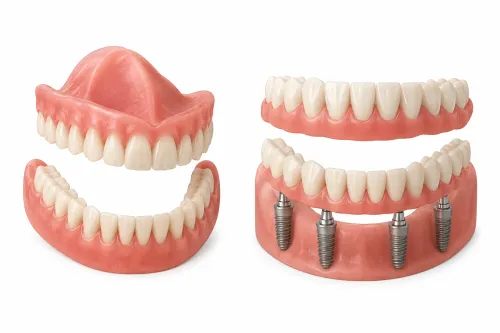
- Preparation for dentures or implants, including removal of a tooth that interferes with the planned design.
- A tooth obstructing another surgical or restorative treatment.
Preventive removal of a pathology-free impacted wisdom tooth is not automatically required. Impacted tooth removal indications include recurrent infection, decay, cystic change, or damage to an adjacent tooth; without disease or a significant risk of damage, monitoring may be more appropriate.
A retained baby tooth extraction can be necessary when the permanent successor is trapped or cannot follow its normal path. Conversely, losing a primary tooth too early lets neighboring teeth drift into the gap and reduce eruption space.
A space maintainer after premature tooth loss is considered using the child’s dental age, the developing permanent tooth, remaining space, and expected eruption timing—not prescribed automatically.
Does every extracted tooth need replacement?
A missing tooth does not always need replacement. The decision depends on chewing, speech, appearance, neighboring-tooth stability, and the position of the space. A wisdom tooth commonly needs no replacement, while a front tooth or a strategically placed molar may affect function or cause nearby teeth to drift.
implant vs bridge vs partial denture
| Option | Surgery | Maintenance, cost, and adjacent teeth |
|---|---|---|
| Implant-supported restoration | Requires implant surgery and healing before the crown is fitted | Higher upfront cost and longer treatment; clean around the implant carefully; adjacent teeth usually need no preparation |
| Fixed bridge | No implant surgery, but the supporting teeth are reshaped | Often faster and less costly initially than an implant; floss beneath the bridge; healthy adjacent teeth must be prepared |
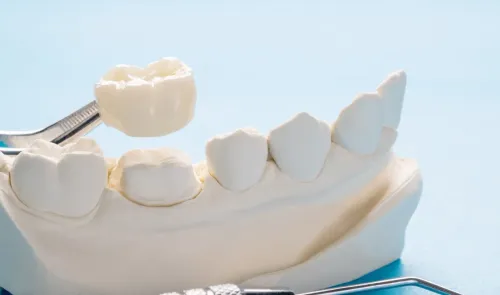
| Removable partial denture | No implant surgery; it is inserted and removed by you | Usually lower initial cost; remove and clean it daily and attend adjustments; adjacent teeth are not crowned, though clasps may contact them |
Follow-up after tooth extraction checks the socket and neighboring teeth for persistent infection, retained fragments, delayed healing, or numbness. Plan tooth replacement after the gum and bone are suitable, rather than rushing into treatment.
Seek prompt assessment for:
- Worsening pain after initial improvement
- Fever, spreading swelling, or pus
- Persistent numbness
- Uncontrolled bleeding
A restorative, implant, orthodontic, or prosthodontic team can coordinate care without assuming replacement is required.
Frequently asked questions
When is a tooth beyond saving?
A tooth may be beyond predictable repair when too little sound tooth remains, the root is severely damaged, supporting bone is inadequate, or infection cannot be controlled.
What tests come before you consent to extraction?
Your dentist examines the tooth and takes dental X-rays to assess the crown, roots, surrounding bone, infection, and nearby structures.
What happens during a simple or surgical extraction?
A simple extraction loosens and removes a visible tooth with instruments. A surgical extraction involves opening gum tissue or removing some bone when the tooth is broken, impacted, or inaccessible.
Why might a healthy-looking tooth still need removal?
A tooth can look healthy above the gum while having a fractured root, severe bone loss, hidden infection, or a position that damages nearby teeth.
Does every extracted tooth need replacement?
No. Replacement depends on the tooth’s location, chewing function, appearance, bite, and the effect of leaving the space open.