Pain or swelling behind your last molar does not prove that the wisdom tooth must come out. By separating a first, manageable episode from recurrent infection, identifying the true source of pain, and reviewing examination and imaging findings, you can understand when removal is justified and when another treatment is safer.
Key takeaways
- One manageable pericoronitis episode does not automatically require extraction.
- Recurrent infection, decay, or damage to nearby teeth strengthens the case for removal.
- Facial swelling, fever, difficulty swallowing, or breathing needs urgent assessment.
- Ask about cleaning, monitoring, and other treatments before choosing surgery.
When does a wisdom tooth problem become a reason to consider removal?
A single, manageable episode of pericoronitis does not automatically mean wisdom tooth removal. If the inflammation settles, the tooth can be cleaned, and examination shows no lasting damage, monitoring may be safer than surgery.
Consider removal more seriously when:
1. Pericoronitis keeps returning around a partially erupted tooth. A gum flap over the crown can trap food and bacteria, and repeated flare-ups indicate that cleaning the area is not solving the cause.
2. The tooth has persistent pain, unrestorable decay, an abscess, or periodontal damage. Damage to the neighbouring second molar, including bone loss or a deep gum pocket, also strengthens the case for extraction.
3. An X-ray shows a cyst or other pathology, or the wisdom tooth blocks another necessary dental or orthodontic procedure. The recommendation depends on documented findings, not pain alone.
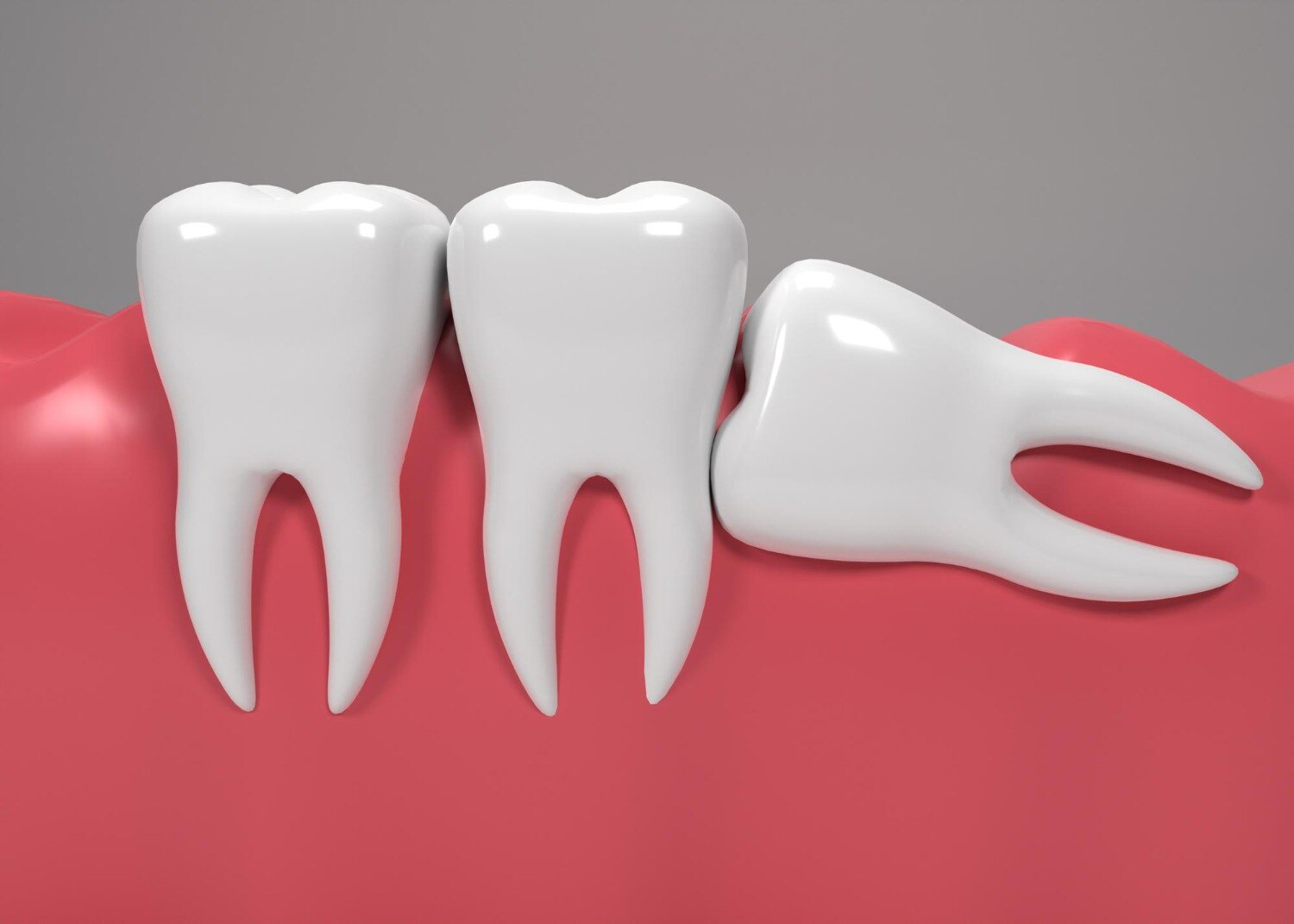
4. The tooth’s position makes long-term hygiene unrealistic. An erupted wisdom tooth that is useful, restorable and easy to clean is different from one angled into the second molar or partly covered by gum.
An impacted wisdom tooth without disease is not automatically removed. Surgery carries risks, including infection, jaw injury and nerve disturbance, so prophylactic extraction must offer a clear benefit.
Your dentist weighs present or foreseeable pathology, recurrence, tooth position, restorability, nerve anatomy and your ability to maintain hygiene. A first episode may justify prompt assessment; recurrent infection or documented damage usually makes removal the stronger option.
How does the dentist identify the real source of pain and swelling?
Pain behind the last molar does not prove the wisdom tooth is the cause. A pericoronitis diagnosis requires examination of the gum flap and surrounding tissues, while decay in the wisdom tooth, decay in the neighbouring second molar, gum disease, food impaction or a dental abscess can produce similar pain and swelling.
Pain can also be referred from the second molar, so the clinician must test both teeth before recommending extraction.
Position changes what treatment is practical:
| Position | What it means | Why it matters |
|---|---|---|
| Erupted | The entire crown is visible | It is easier to clean, examine and restore |
| Partially erupted | Part of the crown is exposed beneath a gum flap | The flap can trap food and bacteria, causing recurring inflammation |
| Impacted | Bone, gum or another tooth blocks eruption | Cleaning or restoration may be impractical, and removal may require surgery |
The examination includes tenderness, tooth mobility, drainage, gum pockets and areas that trap food. These findings help separate local inflammation from an abscess or damage to the second molar.
A dental X-ray completes the assessment. A periapical X-ray gives a focused view of the tooth and nearby roots. A panoramic radiograph shows all wisdom teeth, damage to adjacent teeth and the lower roots’ relationship to the mandibular canal.
CBCT supplies three-dimensional detail when nerve or sinus anatomy remains unclear; it is not an automatic test for every patient.
Which warning signs require urgent dental or medical assessment?
Do not wait for a routine wisdom-tooth appointment if facial swelling is spreading, reaches the eye or neck, or comes with fever, marked illness or dehydration. Difficulty swallowing, difficulty breathing or inability to open your mouth normally can mean a dental infection is entering deeper tissues.
Rapidly worsening pain with increasing swelling also needs urgent assessment.
| Situation | What to do | Why it matters |
|---|---|---|
| Spreading facial swelling, eye or neck swelling, fever, marked illness or dehydration | Contact an emergency dental or medical service immediately | Infection can threaten hydration, the airway or deeper tissues |
| Difficulty swallowing, difficulty breathing or normal mouth opening | Seek emergency care now | These symptoms can signal deeper infection and airway risk |
| Rapidly worsening pain with increasing swelling | Arrange urgent assessment today | The infection may be advancing |
| Pain or swelling confined to one area, with no fever or functional difficulty | Book a prompt dental appointment | A first, localized episode is uncomfortable but not automatically a surgical emergency |
Do not use leftover antibiotics or wait for a planned extraction. A dentist or emergency clinician must assess your airway, hydration and the infection’s spread, then provide source control—such as drainage, cleaning or extraction—when appropriate. Antibiotics alone do not remove trapped food, decay or an infected tooth.
What can be tried before extraction, and when is removal premature?
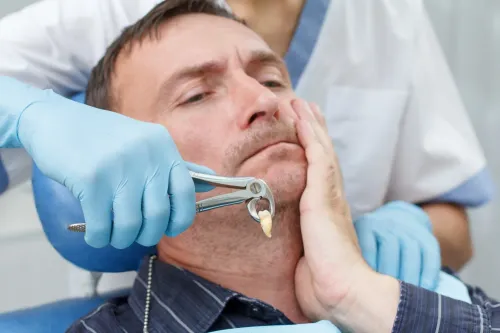
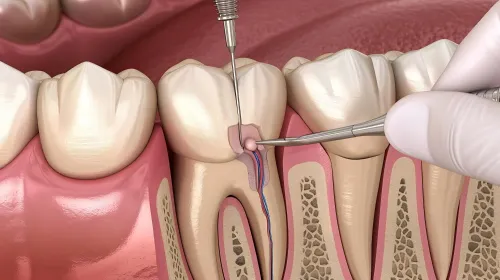
Extraction is not automatic after a first, localized episode of inflammation. Source control may settle symptoms when the wisdom tooth is maintainable and the problem is food impaction beneath a gum flap.
1. The dentist can irrigate beneath the flap, remove trapped food and show you how to brush or use an interdental aid around the tooth. Pain control and short-term observation are reasonable when swelling and tenderness settle.
2. A decayed but restorable wisdom tooth may receive tooth restoration, such as a filling. If examination shows that the second molar is causing the pain, treat that tooth instead; removing a healthy or treatable wisdom tooth will not fix the true source.
3. Use antibiotics for dental infection only when prescribed by a clinician in India. They are generally reserved for spreading infection or systemic involvement, including fever, malaise, facial swelling or restricted mouth opening. Antibiotics do not remove decay, food trapping or the gum flap, and unnecessary courses contribute to antibiotic resistance.
Removal becomes premature when your medical condition is not stabilised, the true source is another tooth, or inflammation is manageable and the wisdom tooth sits in a useful, restorable position. It becomes more reasonable when the tooth remains impossible to clean, repeatedly traps food or repeatedly becomes infected despite local care.
If symptoms worsen or fail to settle, return for reassessment rather than repeating antibiotics.
How should you weigh the benefits and risks of wisdom tooth surgery?
Choose wisdom tooth surgery when the expected benefit—preventing recurrent infection, damage or an unrestorable problem—outweighs recovery and procedure risks after diagnosis and alternatives are reviewed. Surgery can cause pain, swelling, bruising, restricted mouth opening and difficulty eating for several days.
Dry socket occurs when the blood clot is lost or breaks down, leaving the socket painful. It is not automatically an infection requiring more antibiotics; local wound care and pain control are usually the focus. Smoking increases healing problems, including dry socket, so stopping during the early healing period reduces risk.
For a lower tooth, ask how close the roots are to the inferior alveolar or lingual nerve. Nerve injury can alter sensation in the lower lip, chin or tongue, temporarily or persistently; examination and imaging estimate that risk. A sinus relationship also matters for an upper tooth.
In selected high-risk cases, a coronectomy removes the crown and leaves the roots, but it is unsuitable when the tooth or roots are infected, mobile or diseased.
| Option | Main benefit | Main limitation |
|---|---|---|
| Monitor or clean | Avoids surgery when the tooth is maintainable | Recurrence remains possible |
| Complete removal | Removes the tooth and its source of disease | Includes wisdom tooth surgery risks and recovery |
| Coronectomy | Reduces root-related nerve injury risk | Retained roots require selection and follow-up |
Ask for these details in writing:
- Diagnosis and radiograph findings
- Alternatives and recurrence risk
- Nerve or sinus considerations
- Expected recovery and warning signs
PRYSM DENTAL STUDIO can provide one clinical setting to assess the tooth alongside restorative, gum or oral-surgical needs before you commit.
Related service
Wisdom Tooth Removal Treatment & Tooth Extractions Wisdom Tooth Removal Treatment at Prysm Dental Studio – Safe & Painless Wisdom Tooth Extraction Best Wisdom Tooth Removal Treatment at Prysm Dental... View service → |
Frequently asked questions
When does a wisdom tooth problem become a reason to consider removal?
Removal becomes more reasonable when infection recurs, the tooth cannot be cleaned, decay or gum damage persists, or it harms a neighbouring tooth.
How does the dentist identify the real source of pain and swelling?
The dentist examines the gum, wisdom tooth, nearby teeth, bite, and jaw, then uses dental X-rays to check position, decay, infection, and bone involvement.
Which warning signs require urgent dental or medical assessment?
Seek urgent assessment for spreading facial or neck swelling, fever, difficulty swallowing, difficulty breathing, inability to open your mouth, or worsening severe pain.
What can be tried before extraction, and when is removal premature?
Cleaning under the gum, improving oral hygiene, pain relief, and treating active infection may help. Removal is premature after one settled episode without lasting damage.
How should you weigh the benefits and risks of wisdom tooth surgery?
Compare expected relief and prevention of repeat infection with pain, swelling, dry socket, infection, and nerve injury risk based on the tooth's position.