A crown is recommended when the remaining tooth cannot reliably withstand biting forces or hold a smaller restoration, but root canal treatment alone does not make a crown automatic. By the end, you will know which examination findings support a crown, when an onlay or bonded restoration may be more conservative, and what the treatment process involves.
Key takeaways
- Crowns reinforce teeth with too little structure for a stable filling.
- Root canal-treated back teeth face fracture risk from lost tooth structure.
- A crown needs a sound foundation; severe damage may require other treatment first.
- Protect temporary crowns from sticky foods and schedule the final fitting promptly.
Which examination findings show that a tooth needs a crown?
A dental crown is considered when a weak tooth or broken tooth cannot provide a stable foundation for a filling or bonded restoration. Appearance alone is not enough; the dentist looks for:
- Substantial loss of tooth structure, leaving too little support around the pulp
- Thin or undermined cusps that could flex and split during chewing
- A crack, especially in a heavily restored back tooth
- Repeated filling failure, loosening or fracture
- A fracture extending below the gum line
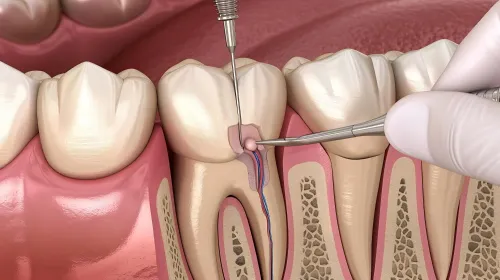
The decision requires a clinical examination, bite assessment and dental X-ray. The dentist checks the remaining walls, crack location, tooth mobility, periodontal support, contacts with neighboring teeth, bite forces and the condition of the root. These findings determine when a dental crown is needed and whether the tooth is restorable.
Crack location changes the outlook:
| Finding | Meaning | Likely implication |
|---|---|---|
| Crack limited to the crown | The tooth and root remain structurally sound | A crown may protect a restorable cracked tooth requiring crown coverage |
| Crack extends below the gum line | The margin may not seal against bacteria, and the fracture may reach the root | Poor prognosis; crown treatment may not save the tooth |
| Vertical root fracture | The root itself is split | Often non-restorable and may require extraction |
A crown is not automatically required after root canal treatment. It becomes more appropriate when remaining walls and cusps cannot withstand biting forces. A cracked tooth requiring crown treatment still needs a sound root and adequate periodontal support.
Why root canal-treated back teeth are often recommended for crowns
Not every root canal-treated tooth needs a crown after root canal. The decision depends on the amount of sound structure left, the strength and height of the remaining walls, whether cusps are undermined, the tooth’s location and the forces placed on it.
The common risk is not simply “brittleness” caused by removing the pulp; original decay, cracks, large restorations and tooth removal usually leave the tooth vulnerable.
Posterior teeth carry heavy chewing loads, so their cusps can flex and split when weakened. That explains the common posterior teeth crown recommendation and the use of cuspal coverage when a conventional filling cannot adequately support the remaining structure.
A root canal-treated tooth crown is not automatic, however: a minimally restored front tooth with strong walls may be suitable for bonded composite instead.
| Option | Structure protected | When it may apply |
|---|---|---|
| Direct composite | Removes the least additional tooth structure | Strong remaining walls and limited loss, especially in a front tooth |
| Inlay, onlay or overlay | Protects selected areas or cusps | Moderate loss where targeted cuspal coverage is sufficient |
| Endocrown | Uses the internal chamber and remaining walls for retention | Extensive coronal loss with suitable anatomy |
| Full crown | Encloses and protects the remaining tooth | Weakened cusps and walls that need broader protection |
The most conservative option is not automatically the safest: the material and design must withstand your bite. An onlay or overlay can provide cuspal coverage without committing the tooth to a full crown.
When a crown is the wrong choice or needs a stronger foundation
A dental crown is not suitable when it would cover disease instead of resolving it. Treat these problems before considering coverage:
| Problem | Why a crown will not solve it | Possible next step |
|---|---|---|
| Active untreated decay | Decay can continue beneath the crown | Remove decay and assess restorability |
| Uncontrolled periodontal disease | Poor support can cause mobility and margin failure | Stabilise the gums and bone |
| Untreated or non-restorable root canal problem | Infection can persist under an intact-looking crown | Complete retreatment or consider extraction |
| Crack extending into the root | The tooth may not seal or withstand chewing | Extraction may be required |
| Vertical root fracture | The root is structurally split | Extraction is usually required |
A crown needs enough healthy tooth above the gum to hold a stable margin. The ferrule effect—an encircling band of sound tooth structure above the margin—helps the restoration resist levering forces. If too little structure remains, treatment may involve a core buildup, crown lengthening or orthodontic extrusion, depending on the tooth and its periodontal support.
A dental post after root canal does not strengthen the root. It retains a core when insufficient coronal tooth remains; placing one unnecessarily removes dentin and raises the risk of perforation or root fracture.
Bruxism, clenching, a heavy opposing tooth, missing neighboring teeth or an unstable bite can overload even a well-made crown. Management may include a night guard, bite adjustment or broader rehabilitation before coverage.
What happens during crown preparation and the temporary stage?
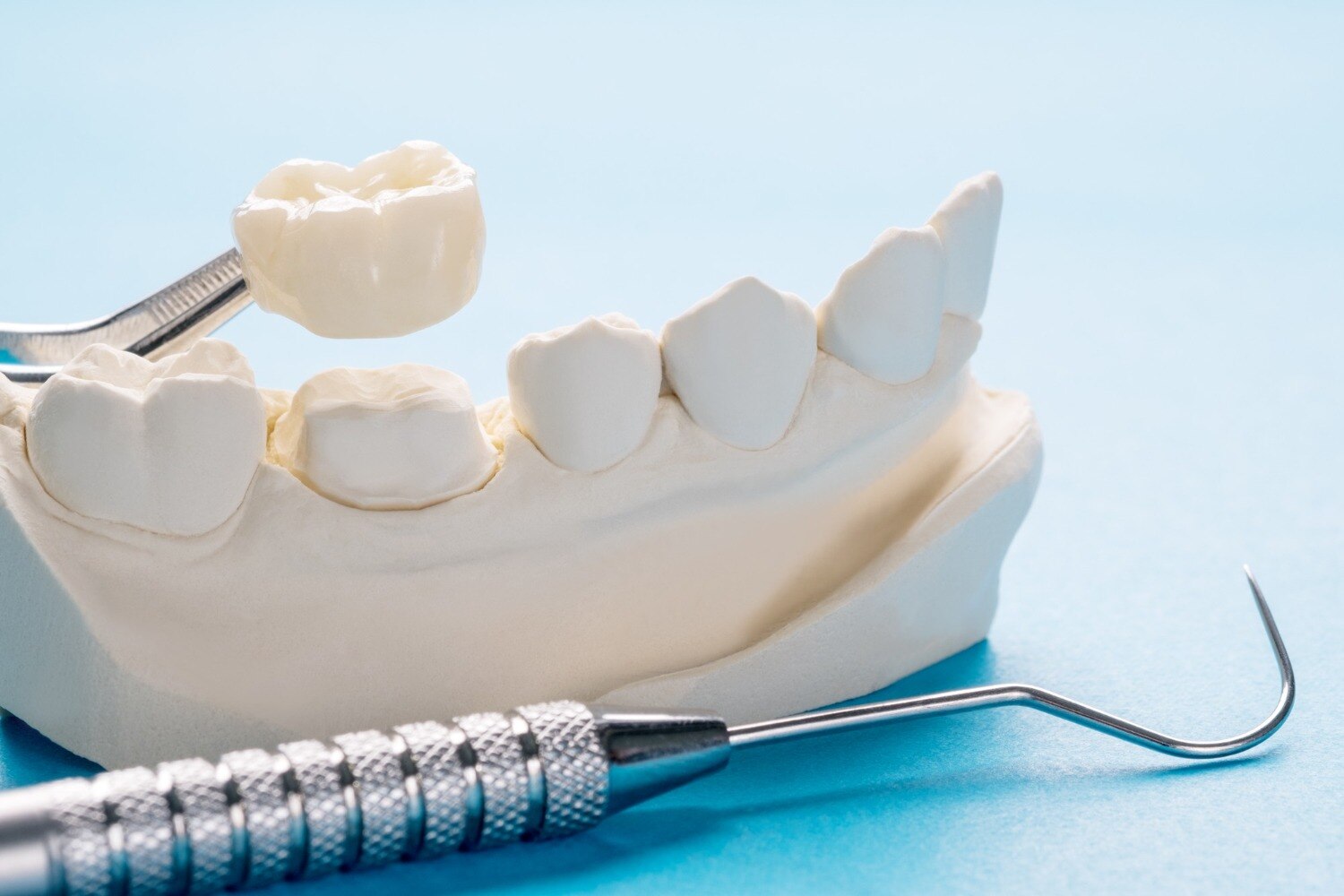
A dental crown procedure begins with checking whether the tooth can support the restoration and identifying any treatment needed before preparation. The sequence usually includes these stages:
1. During crown preparation, the dentist removes decayed, fractured or undermined tooth structure and shapes the remaining tooth to provide the clearance required by the selected crown material. If too much structure is missing, a core buildup creates a stable foundation.
2. An impression or digital scan records the prepared tooth, neighboring teeth and your bite. These records guide the laboratory in making a crown that fits the margin, contacts adjacent teeth and meets the opposing teeth correctly.
3. A temporary crown covers the prepared tooth while the permanent restoration is made. It protects exposed dentin, limits sensitivity and tooth movement, and lets the dentist assess the proposed contour and occlusion before final cementation.
4. At a later appointment, the dentist removes the temporary crown, checks the permanent crown’s fit, contacts, shade and bite, then cements it. Ask how many visits for a crown in your case: the number depends on the tooth, buildup, gum treatment and laboratory stage, with extra visits for adjustments or preliminary treatment.
While wearing the temporary crown, avoid sticky foods, chew carefully and clean around its margin. Contact the clinic promptly if it loosens or fractures, because movement or exposed tooth structure can compromise the final fit.
How to make the final crown decision and protect the tooth afterward
The final choice should follow a documented examination, bite assessment and X-ray review, not appearance alone. In a dental crown consultation at PRYSM DENTAL STUDIO in Pune, ask whether the tooth is restorable, how much sound structure remains, and whether the bite requires a stronger or differently shaped design.
Ask these questions before agreeing to treatment:
- Would a bonded restoration, inlay, onlay, overlay or full crown conserve enough tooth while resisting the bite?
- If this is a crown after root canal treatment, are the canals adequately treated and is the planned restoration able to provide a reliable coronal seal?
- Does clenching, grinding, a heavy opposing tooth or missing neighbour change the design or require a night guard?
| Option | Conservation and strength | When it applies |
|---|---|---|
| Bonded restoration | Removes the least structure | Strong walls remain, especially on a minimally restored front tooth |
| Inlay, onlay or overlay | Protects selected cusps without full coverage | Damage is localised but cusps need support |
| Full crown | Covers all remaining cusps | The tooth cannot support a stable bonded restoration |
A crown cannot cure inadequate root canal treatment. Bacteria entering through a defective margin can cause reinfection beneath an intact-looking crown.
Dental crown follow-up should check the margin, gums, bite, symptoms and remaining tooth. Crown maintenance does not mean replacement at a certain age: recurrent decay, fracture, periodontal disease, loosening or endodontic failure determine whether repair, retreatment or replacement is needed.
Related service
Prosthodontics, Crowns & Bridges Best Prosthodontics & Restorative Dentistry in Pune | Dental Crowns, Zirconia Crowns, Ceramic Crowns & Inlays-Onlays at Prysm Dental Studio Restore... View service → |
Frequently asked questions
Which examination findings show that a tooth needs a crown?
A crown is considered when cracks, extensive fillings, missing cusps, or decay leave too little tooth structure for a stable filling or bonded restoration.
Why are root canal-treated back teeth often recommended for crowns?
Root canal treatment removes infected pulp but does not by itself strengthen the tooth. Back teeth absorb heavy chewing forces, so remaining weakened walls can fracture without cuspal coverage.
When is a crown the wrong choice or in need of a stronger foundation?
A crown is not suitable when decay or fracture extends too far below the gum, too little tooth remains for retention, or the tooth cannot be predictably restored. A core buildup or post may be needed when the remaining structure cannot support the crown.
What happens during crown preparation and the temporary stage?
The dentist removes damaged or decayed structure, shapes the tooth, records its size and bite, and places a temporary crown while the final restoration is made. Avoid hard or sticky foods and report looseness, pain, or a changed bite.
How should you make the final crown decision and protect the tooth afterward?
Discuss the remaining tooth structure, foundation, material options, bite, expected maintenance, and alternatives with your dentist. Brush, clean between teeth, avoid using the crown to open packages, and attend follow-up visits.