A painful or badly decayed tooth is not automatically beyond repair, while a painless tooth can still be unsafe to keep. The deciding issue is whether enough sound structure, bone support and clean access remain for treatment and a durable restoration, and whether saving the tooth offers a reasonable long-term prognosis.
Key takeaways
- A tooth is non-restorable when decay or fracture prevents a stable, lasting restoration.
- Compare root canal treatment, periodontal support, restoration, extraction and tooth replacement options.
- Seek urgent dental care for facial swelling, fever, difficulty swallowing or trouble breathing.
- Extracting a savable tooth can create shifting, chewing and replacement-treatment problems.
Which findings make a damaged tooth non-restorable?
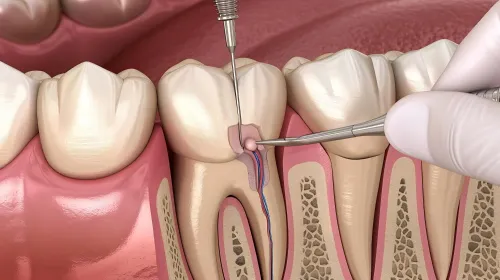
A non-restorable tooth is one that cannot predictably support treatment or a lasting restoration. The decision depends on what remains above and below the gum, not on pain severity or a photograph. Examination, periodontal probing, pulp testing and appropriate dental radiographs help establish the fracture’s depth, decay’s extent and the tooth’s support.
| Finding | Why it threatens restorability | Typical concern |
|---|---|---|
| Fracture below the gum line or into the root | The crack prevents a reliable seal and may extend into bone | A crown cannot predictably protect the tooth |
| Split tooth or vertical root fracture | Separate segments or a root crack allow bacteria to persist | The split tooth prognosis is poor, especially when the fracture runs below the gum line into the root |
| Extensive decay reaching the root surface | Disease leaves too little healthy structure to restore | A filling, crown or post cannot seal reliably |
| Insufficient tooth structure | The remaining walls cannot retain a restoration | Too little ferrule or sound wall structure leaves the crown vulnerable to dislodging or fracture |
| Inability to isolate the tooth | Saliva or bleeding contaminates bonding and sealing | Treatment cannot remain predictably dry |
| Severe bone loss from periodontal disease | Attachment and support are too reduced, often with mobility | Periodontal disease may make the tooth effectively hopeless |
“Cracked” alone is not a diagnosis. A craze line or crack limited to the crown may have a manageable prognosis with protection, while a split tooth or vertical root fracture usually does not. Dentists also consider mobility, infection control and whether periodontal treatment can preserve useful support.
How does a dentist choose between saving the tooth and extracting it?
A dentist starts with tooth restorability, not pain severity. Visual inspection identifies decay, cracks and remaining walls; periodontal probing checks whether a fracture or decay extends below the gum and measures attachment support.
Bite testing helps locate a cracked cusp or tooth, while pulp vitality testing assesses whether the nerve is inflamed, dead or still responsive.
The examination sequence usually includes:
- Dental radiographs to assess decay, bone support, root shape, previous root-canal treatment and infection around the root tip.
- Three-dimensional CBCT imaging when a fracture, hidden canal or complex root anatomy is unclear on standard images.
- A review of whether the tooth can be kept dry and isolated, restored with enough sound structure, and sealed against reinfection.
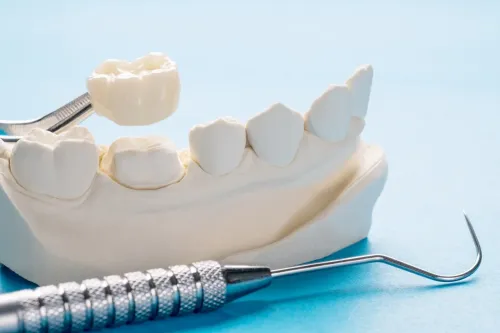
The findings determine whether a filling, crown, root canal, post-and-core restoration, retreatment, apical surgery or periodontal treatment can remove disease and produce a durable seal.
| Finding | Tooth can be saved predictably | Extraction becomes more predictable |
|---|---|---|
| Remaining structure | Sound walls or a ferrule can support a restoration | Too little structure remains for a stable crown or post-and-core restoration |
| Isolation | The tooth can stay dry during treatment | Decay, bleeding or a deep fracture prevents reliable isolation |
| Support and infection | Periodontal treatment can control disease and preserve attachment | Bone loss, mobility or infection cannot be controlled |
| Long-term prognosis | The restoration and seal can withstand function | Treatment is technically possible, but the restoration will not hold |
A painful tooth may remain restorable, while a painless tooth may have a root fracture or advanced bone loss. The decision rests on expected function and long-term prognosis, not on symptoms alone.
When do infection, swelling or other symptoms make treatment urgent?
Tooth pain alone does not settle the extraction decision. Severe pain can come from a tooth that remains saveable with root-canal treatment and a definitive restoration. Conversely, a painless infected tooth can contain a dental abscess, a fracture or advanced bone loss.
Arrange prompt dental assessment if you have:
- Recurrent abscess or drainage from the gum
- New or increasing swelling around the tooth
- Fever
- Facial swelling
- Difficulty swallowing
- Restricted mouth opening
Spreading infection can require urgent care, particularly when swelling affects the face or neck, swallowing becomes difficult, or you feel systemically unwell. Do not wait for pain to appear before seeking evaluation.
Antibiotics do not remove the source of a localized dental infection. The dentist must treat that source with root-canal treatment, drainage when indicated, or extraction when the tooth is clearly non-restorable; antibiotics are an adjunct when infection is spreading or causing systemic involvement.
Delaying a non-restorable tooth does not preserve a treatment option. It can produce another abscess, allow infection to spread, increase bone destruction and damage neighbouring teeth. Prompt assessment establishes whether infection control and restoration can save the tooth, or whether extraction is the safer and more predictable choice.
What are the consequences of extracting a tooth that could have been saved?
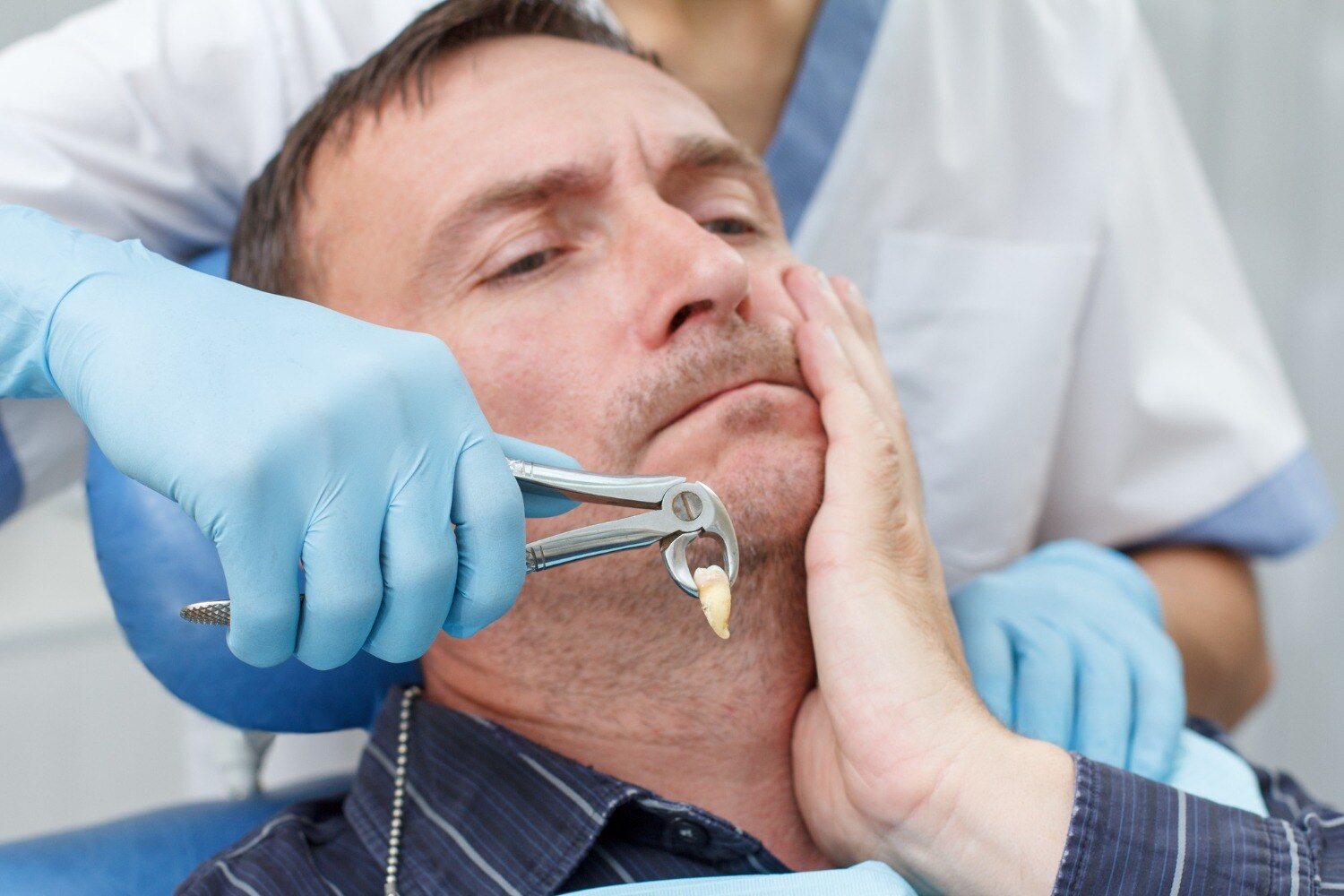
Removing a predictably restorable tooth sacrifices natural tooth structure and starts a second decision: tooth replacement. The consequences of tooth extraction can include adjacent teeth movement, over-eruption of the opposing tooth, an altered bite and chewing changes. A missing tooth is not the end of care.
| Option | What it involves | Main demands |
|---|---|---|
| Dental implant | Healing in the jaw before placing an implant and crown | Surgical treatment, healing time, maintenance and higher financial cost |
| Bridge | Supporting an artificial tooth from neighbouring teeth | Tooth preparation, cleaning beneath the bridge and long-term maintenance |
| Removable partial denture | A removable appliance replacing one or more teeth | Daily removal and cleaning, adjustment and periodic replacement |
A second opinion is useful before extraction when the tooth could receive root canal treatment, retreatment, periodontal therapy or restoration. The question is not simply whether treatment is technically possible; compare the expected function and survival with the treatment burden, extraction risks and replacement plan.
Ask for a clear prognosis: how much sound structure remains, whether the tooth can stay dry during treatment, whether infection and periodontal problems can be controlled, and why extraction is more predictable.
A consultation with PRYSM DENTAL STUDIO in Pune can organise that comparison around alternatives, expected maintenance and the replacement plan rather than treating extraction as the only decision.
Related services
Wisdom Tooth Removal Treatment & Tooth Extractions Wisdom Tooth Removal Treatment at Prysm Dental Studio – Safe & Painless Wisdom Tooth Extraction Best Wisdom Tooth Removal Treatment at Prysm Dental... View service → |
Prosthodontics, Crowns & Bridges Best Prosthodontics & Restorative Dentistry in Pune | Dental Crowns, Zirconia Crowns, Ceramic Crowns & Inlays-Onlays at Prysm Dental Studio Restore... View service → |
How do special cases change the extraction decision?
The reason for extraction changes the evidence required. A failed root canal does not automatically mean removal: retreatment or apical surgery may still provide a predictable result. Extraction becomes more reliable when a vertical root fracture, inaccessible canal, inadequate remaining structure, or poor periodontal and restorative prognosis prevents a durable seal and restoration.
Special cases add criteria beyond ordinary restorability:
- A severely damaged primary baby tooth may need extraction when infection cannot be controlled, the tooth cannot be restored, or resorption is extensive. Consider the child’s age, the time until natural exfoliation, the permanent successor’s development, and whether space maintenance is needed.
- Orthodontic extraction removes a healthy tooth to address crowding or protrusion. It must fit the complete plan for facial growth, periodontal limits, tooth position, and the final bite; crowding alone is not enough.
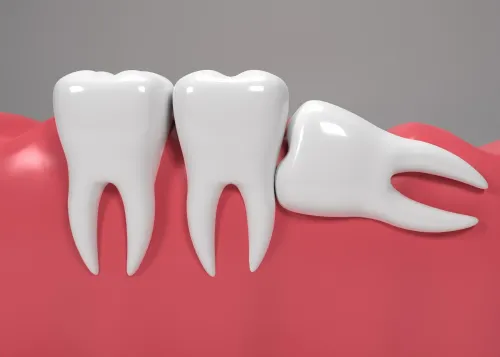
- An impacted wisdom tooth does not require removal merely because it is impacted. Look for current disease, including recurrent infection, unrestorable decay, cystic or destructive pathology, or damage to an adjacent tooth, and weigh those findings against surgical risk.
The same principle applies in every case: extraction is justified when it offers a more predictable outcome than treatment. A second opinion is sensible when retreatment, apical surgery, periodontal treatment, or restoration remains possible, because “technically treatable” is not the same as likely to function and last.
Frequently asked questions
Which findings make a damaged tooth non-restorable?
A tooth may be considered non-restorable when decay or a fracture extends below the gum or into the root, too little sound tooth remains for a secure restoration, or bone and gum support cannot maintain it. The dentist assesses these findings with examination, periodontal probing, pulp testing and dental radiographs.
How does a dentist choose between saving a tooth and extracting it?
The dentist compares the tooth’s remaining structure, root and bone support, pulp condition, fracture pattern, treatment complexity, expected durability, cost and your ability to maintain it. Saving the tooth is preferred when treatment can produce a predictable seal and stable restoration.
When does infection or swelling make tooth treatment urgent?
Contact a dentist promptly for severe or worsening pain, facial or gum swelling, fever, pus, or difficulty opening your mouth. Difficulty swallowing or breathing, swelling around the eye or rapidly spreading facial swelling requires emergency care.
What are the consequences of extracting a tooth that could have been saved?
Extraction permanently removes natural tooth structure and can allow nearby teeth to shift, opposing teeth to over-erupt and chewing efficiency to change. Replacing the tooth may require a bridge, denture or implant, along with additional appointments and maintenance.
How do special cases change the extraction decision?
Children, people with gum disease, patients taking blood thinners, and teeth planned for orthodontic or prosthodontic treatment need individual assessment. The dentist considers growth, bone support, medication risks, treatment timing and the effect on the final bite before recommending extraction.
Related services
Best Root Canal Treatment Specialist in Deccan Gymkhana, Shivajinagar, Pune | Prysm Dental Studio by Dr. View service → |
Best Dental Implants Specialist in Deccan Gymkhana, Pune | Prysm Dental Studio by Dr. View service → |
Best Dental Fillings Treatment in Deccan Gymkhana, Pune | Dr. View service → |