Bleeding during brushing or flossing is a reason to examine your routine, not automatically a reason to stop cleaning; swelling, however, can have causes that home care cannot resolve. You will learn how to clean without injuring your gums, judge when symptoms are improving, recognise warning signs, and choose between routine care, a gum evaluation and urgent treatment.
Key takeaways
- Keep cleaning gently when plaque causes bleeding; stopping prolongs gum inflammation.
- Seek prompt care for persistent swelling, severe pain, pus, loose teeth, or spreading redness.
- Gingivitis affects gum tissue; periodontitis can damage the bone supporting your teeth.
- Bring your medication list and symptom timeline to a gum consultation.
Build a gum-care routine that removes plaque without causing injury
Bleeding after you restart gentle cleaning often means plaque has inflamed the gumline, not that brushing is damaging it. Stopping leaves the plaque in place and prolongs the inflammation. Use this daily gum-care routine:
- Brush twice daily—brushing twice daily—with a soft-bristled toothbrush and fluoride toothpaste. Aim the bristles toward the gumline, use small gentle circles, and let the bristles clean beneath the edge without scrubbing hard.
- Clean between every tooth once a day. Slide floss through the contact point, curve it into a C shape against each tooth, and move it up and down. Never snap floss into the gums.
- Choose an interdental brush where spaces are open, around bridges or implants, or where floss leaves plaque behind. It must pass with light resistance; forcing a large brush can cut or bruise the tissue.
- Spit after brushing rather than rinsing heavily with water, so fluoride remains on the teeth. Do not replace brushing with mouthwash.
- Replace the toothbrush or brush head when bristles splay, usually around every three months, or sooner after illness.
A small amount of bleeding can reduce within 7 to 14 days of consistent, careful cleaning. Arrange a dental assessment if bleeding continues after that period, increases, or comes with persistent bad breath, pus, painful chewing, loose teeth, or a change in tooth position.
What bleeding or swelling means—and when it needs prompt care
Bleeding after restarting cleaning usually points to neglected plaque, not damage from brushing. If bleeding appears along several gumlines and begins to settle with gentle, consistent cleaning, gingivitis is likely; improvement should become noticeable within 7 to 14 days.
Forcing floss through a contact or brushing hard causes sharp, localized bleeding that stops when technique changes.
Swelling needs a different response when its location or accompanying symptoms change:
- One tender spot after eating may be localized food impaction. Rinse, then gently clean between the teeth; arrange an examination if it returns or does not settle.
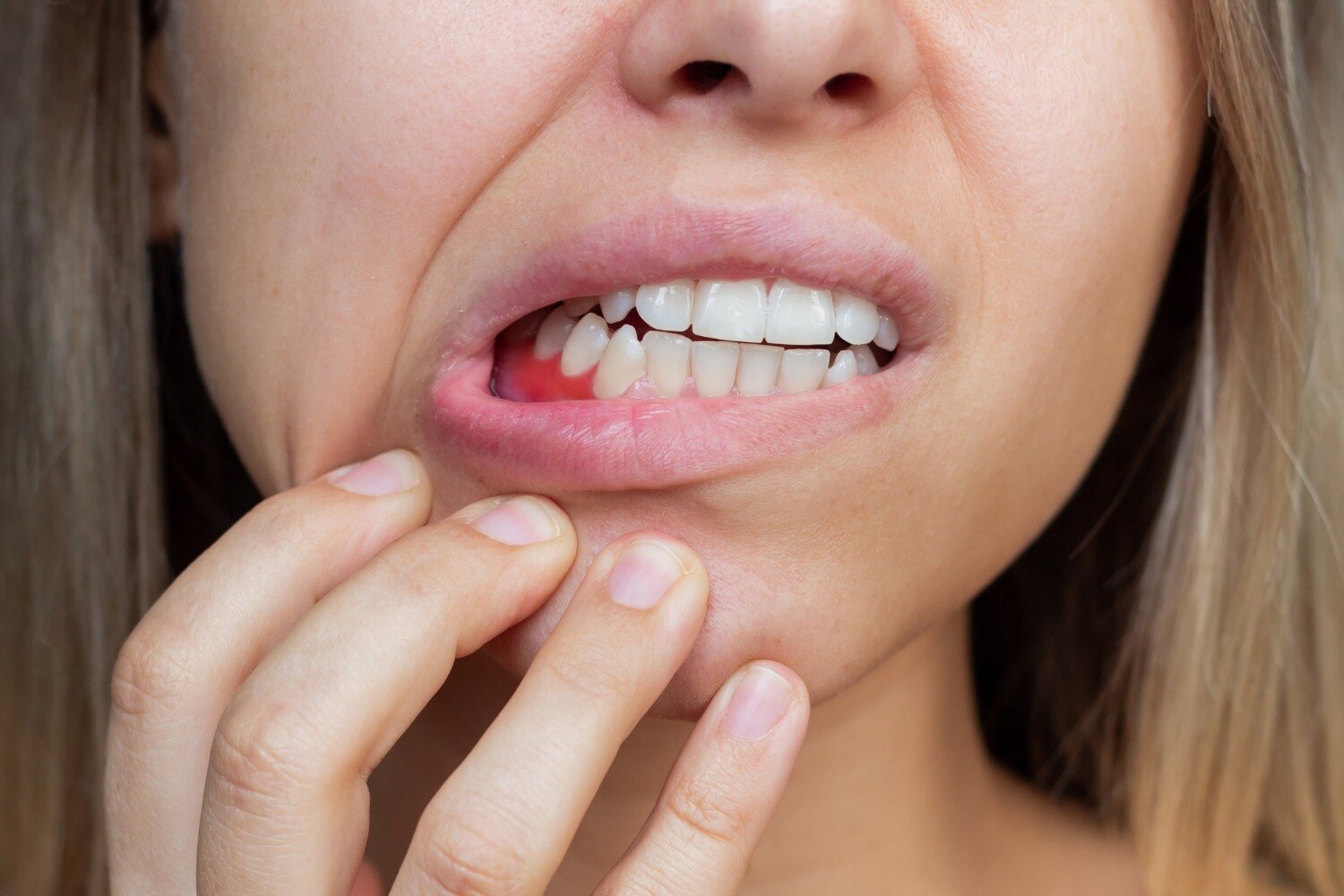
- Puffy, red gums around several teeth suggest gingivitis swelling. Improve plaque removal and seek care if bleeding continues beyond 7 to 14 days.
- A raised, painful area with pus, a bad taste, pain on biting or facial swelling can indicate a dental abscess. Seek prompt dental treatment; do not squeeze it or rely on leftover antibiotics.
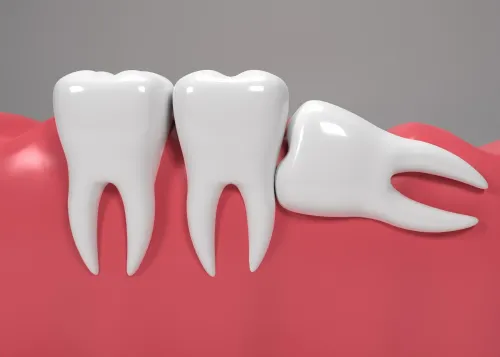
- Swelling behind the last molar may involve an erupting wisdom tooth. Arrange an examination, particularly if the area traps food, limits opening or repeatedly becomes painful.
Facial swelling with fever, difficulty swallowing or difficulty breathing requires urgent medical evaluation. Persistent bleeding, recession, loose teeth, changing tooth contact or recurrent pus also needs a dental examination.
Chlorhexidine can be prescribed for a defined short course, but it does not replace brushing or interdental cleaning and prolonged use can stain teeth, alter taste and increase calculus.
Understand the difference between gingivitis and periodontitis
Bleeding after brushing or flossing often reflects plaque-induced gingivitis, especially when cleaning has recently restarted. The gums become red, swollen and tender, but the inflammation has not destroyed the attachment holding the tooth in place. Gentle, consistent plaque removal usually reverses it; stopping because of bleeding allows plaque to remain.
| Condition | Plaque-induced gingivitis | Periodontitis |
|---|---|---|
| Tissue damage | Inflamed gums without permanent bone or attachment loss | Periodontal attachment and alveolar bone can be permanently lost |
| Typical signs | Redness, swelling and bleeding during cleaning | Gum recession, persistent bad breath, pus, loose teeth, painful chewing or changes in tooth position |
| Next step | Improve daily plaque control and arrange routine advice if it continues | Book a dental examination; self-treatment cannot restore lost support |
Poorly controlled diabetes raises the risk and severity of periodontitis, while periodontal inflammation is associated with poorer blood-glucose control. Gum treatment supports diabetes care but does not replace prescribed diabetes management. Smoking, immune-suppressing conditions or medicines, and a history of periodontal disease also increase risk and can alter follow-up needs.
Cardiovascular disease has associations with periodontitis, but treating gum disease is not proven to prevent a heart attack.
Arrange an examination if bleeding or swelling persists after 7 to 14 days of gentle, consistent cleaning, or if you notice recurrent pus, gum recession, persistent bad breath, loose teeth, painful chewing or changes in tooth position. Facial swelling, fever, difficulty swallowing or difficulty breathing needs urgent evaluation.
Choose the right professional care for your symptoms and risk
Bleeding alone does not tell you which treatment you need. The decision depends on what an examination finds: calculus below the gumline, periodontal pocket depth, pus, looseness, bone changes and risk factors such as diabetes or smoking.
| Option | What it means | When it applies |
|---|---|---|
| Routine professional scaling | Removes hardened calculus above and around the gumline | Bleeding improves with gentle home cleaning, with no deep pockets, pus or bone loss |
| Gum-disease evaluation | Measures periodontal pocket depth, gum bleeding and tooth stability; X-rays check bone support | Bleeding persists for 7 to 14 days, or you have recession, persistent bad breath or loose teeth |
| Deep periodontal cleaning | Removes plaque and calculus from below the gumline in diseased pockets | Periodontitis is confirmed, especially with deeper pockets or bone loss |
| Abscess treatment | Drains or treats a local infection and addresses the affected tooth or gum | A tender swelling contains pus, causes severe pain, fever, facial swelling or painful chewing |
Do not treat an abscess with leftover antibiotics. Abscess treatment may require drainage, root-canal care or extraction; antibiotics are reserved for spreading infection or systemic symptoms.
After active periodontal treatment, follow-up is supportive periodontal care, not a one-time cleaning. Your dentist sets the interval from disease severity, plaque control, diabetes control, smoking, pocket measurements and response to treatment, then shortens or extends it as findings change.
PRYSM DENTAL STUDIO can use these findings to distinguish maintenance scaling from treatment that needs periodontal planning.
Related services
Best Scaling & Polishing Treatment in Deccan Gymkhana, Pune | Dr. View service → |
Dental Check-up & Consultation Best Dental Clinic for Dental Check-up & Consultation in Deccan Gymkhana, Pune – Prysm Dental Studio by Dr. View service → |
Prepare for a gum consultation and protect long-term tooth stability
Bring a dated list of symptoms and a complete health history to make gum consultation preparation useful. Note when bleeding, swelling, bad breath, pain on chewing, pus, looseness or tooth-position changes began. Include diabetes control, smoking, pregnancy, dry mouth, medicines, immune conditions, previous gum treatment and recent dental X-rays if available.
1. List every medicine, supplement and allergy, including drugs that cause dry mouth or affect bleeding. Do not stop a prescribed medicine before the appointment.
2. Record your daily brushing, interdental cleaning and tobacco routine. Mention whether bleeding continues after 7 to 14 days of gentle, consistent cleaning.
3. Ask how the examination will assess periodontal-pocket depth, attachment loss, recession, tooth mobility and radiographic alveolar bone loss. Bleeding alone cannot confirm or exclude periodontitis.
Consistent plaque removal and scheduled supportive periodontal care reduce the inflammation that can destroy periodontal attachment and the alveolar bone supporting each tooth. Protecting that foundation preserves tooth stability, chewing function and the ability to consider future options such as fillings, crowns, bridges, implants or orthodontic movement.
After active treatment, keep the recall interval recommended for your disease severity, risk factors, plaque control and response. Periodontitis is chronic and can recur, so skipping maintenance can allow bone loss to progress quietly. Good gum care supports oral health; it does not replace diabetes management or guarantee protection from cardiovascular disease.
Frequently asked questions
Should you stop brushing when your gums bleed?
No. Use a soft toothbrush and gentle gumline cleaning unless a dental professional tells you to stop. Removing plaque helps reduce inflammation.
When does gum bleeding or swelling need prompt dental care?
Arrange prompt care for persistent bleeding, marked swelling, pus, severe pain, loose teeth, or redness that spreads. Seek urgent medical help if swelling affects breathing or swallowing.
What is the difference between gingivitis and periodontitis?
Gingivitis is inflammation of the gums without the tissue and bone loss associated with periodontitis. Periodontitis can weaken tooth support and cause tooth mobility.
How should you prepare for a gum consultation?
Record when bleeding or swelling started, note triggers and pain, list your medicines and medical conditions, and bring questions about cleaning and treatment options.