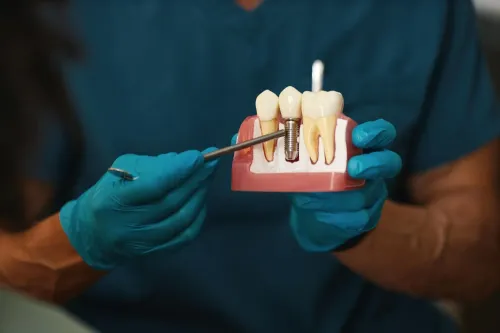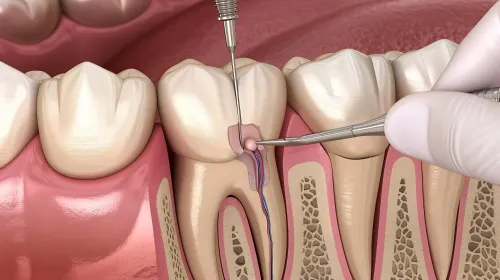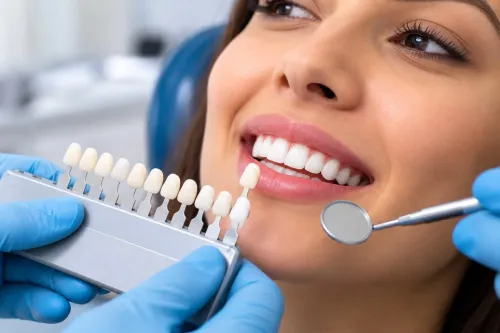
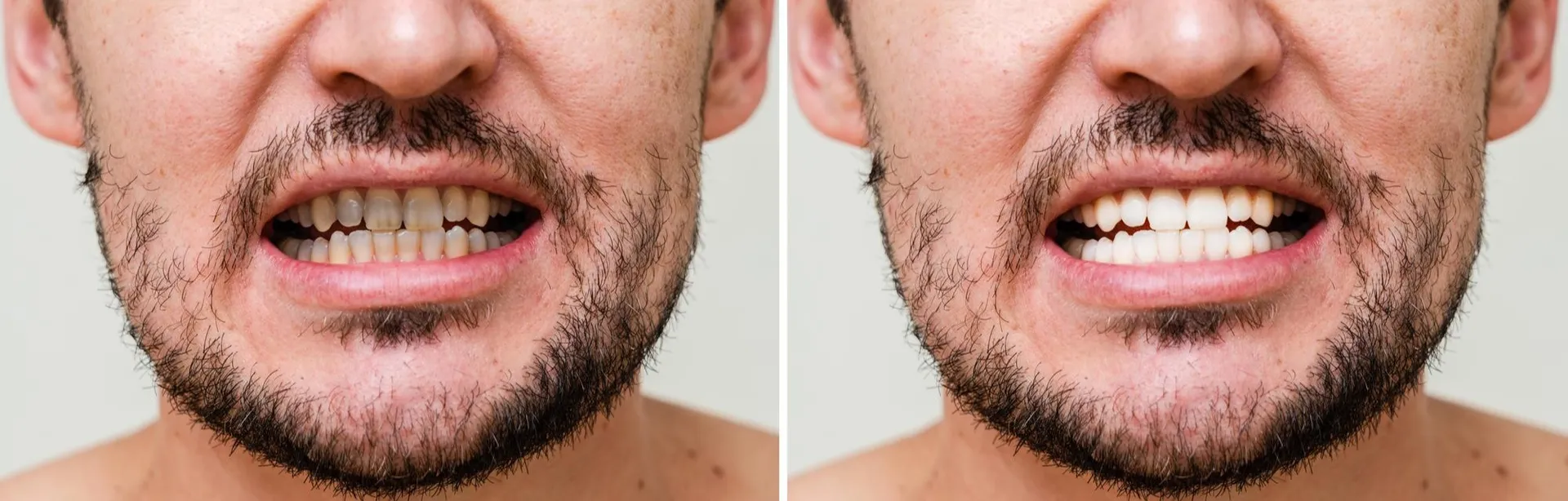
When several teeth are worn, broken, missing, heavily restored, or affected by different dental conditions, treating each problem independently may not provide a coordinated result. Full Mouth Rehabilitation is a comprehensive approach used for selected patients whose dental needs involve multiple teeth and aspects of oral function.
It is not a single procedure. It is an individually planned combination of treatments based on diagnosis, priorities, and long-term maintainability.
Who May Need Comprehensive Rehabilitation
Patients considered for full-mouth planning can have very different dental histories.
Examples may include people with:
- Multiple missing teeth
- Extensively worn teeth
- Several broken or heavily restored teeth
- Significant bite-related concerns
- Multiple teeth requiring restorative treatment
- A combination of gum, tooth, and replacement needs
- Difficulty chewing because of widespread dental damage
The presence of several dental problems does not automatically mean that every tooth requires treatment.
Why Treatment Sequencing Matters
Complex dental care needs a logical order.
Active infection, pain, decay, or periodontal disease may need to be addressed before definitive cosmetic and restorative work begins. Teeth with uncertain prognosis need careful evaluation before they are incorporated into a larger treatment plan.
This sequencing helps prevent a situation where expensive definitive restorations are completed while unresolved disease remains elsewhere in the mouth.
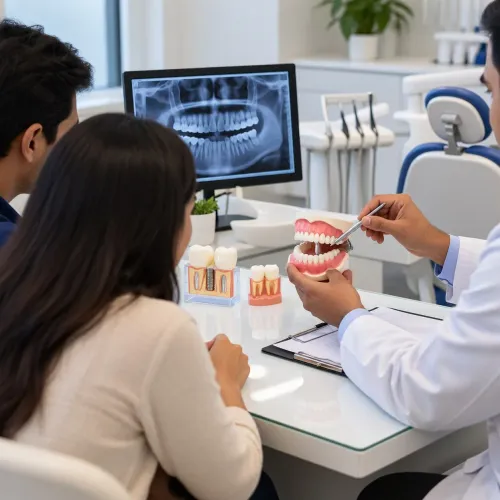
A Comprehensive Assessment Comes First
Before planning rehabilitation, the dentist may need to evaluate:
- Remaining tooth structure
- Gum and bone support
- Existing crowns and fillings
- Missing teeth
- Jaw and bite relationships
- Tooth wear patterns
- Aesthetic concerns
- Oral hygiene
- Relevant medical and dental history
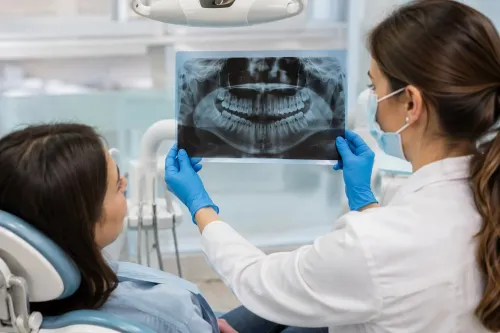
Dental X-rays, photographs, scans, models, or other records may be used depending on the case.
Treatments Can Differ Significantly
One patient might require a combination of periodontal care, fillings, crowns, and replacement of missing teeth. Another may need endodontic treatment, extractions, implants, bridges, or dentures.
This is why full-mouth treatment should not be sold as a standard package.
The number of procedures, treatment duration, cost, and maintenance requirements depend heavily on the starting condition.
What to Ask Before Beginning
Patients considering extensive dental treatment should understand the overall plan rather than only the first procedure.
Ask which teeth have a good prognosis, which treatments are essential, which are elective, whether alternatives exist, and how the proposed restorations will be maintained.
It is also reasonable to discuss whether treatment can be completed in phases.
For patients seeking Full Mouth Rehabilitation in Pune, PRYSM DENTAL STUDIO can assess multiple dental concerns together before a coordinated treatment plan is developed.
This is particularly relevant for adults and senior citizens who may have accumulated different restorations and dental problems over many years.
A comprehensive plan should balance oral health, chewing function, appearance, practicality, and the ability to maintain the result. It should also provide realistic expectations rather than promising a completely transformed mouth through one standard procedure.
For Pune patients with extensive dental needs, the strongest indicator that full-mouth planning may be appropriate is complexity. When several problems interact, coordinated diagnosis can help establish priorities and determine which treatments genuinely contribute to a stable, functional outcome.
Keywords