A smile can look uneven because of surface staining, changes inside the tooth, chipped enamel, tooth position, gum proportions, wear, or missing teeth. By matching the visible concern to its cause, you can compare conservative options with orthodontic, periodontal, restorative, and cosmetic treatments before choosing a plan.
Key takeaways
- Identify stains, wear, chips or alignment problems before choosing treatment.
- Choose whitening for suitable stains, cleaning for deposits, and bonding for small shape changes.
- Protect healthy enamel by checking veneer preparation, proportions and bite contacts.
- Use crowns, gum contouring, orthodontics or replacement teeth when structure or position is the cause.
Start with the cause, not the cosmetic fix
Start by identifying what creates the visible problem, because the same concern can require different treatments. Tooth colour may be affected by surface deposits, age-related changes, or intrinsic stains within enamel or dentin. Chipped edges and uneven length may result from minor enamel loss, wear, trauma, or a structurally weakened tooth.
| Concern | Possible cause | Treatment direction |
|---|---|---|
| Tooth colour | Surface stain or age-related yellowing | Professional cleaning or whitening |
| Intrinsic stains | Fluorosis, trauma, or tetracycline staining | Whitening assessment, bonding, or veneers if colour remains |
| Chipped edges | Small enamel fracture or weakened structure | Composite bonding; a crown when the tooth lacks strength |
| Uneven length | Worn teeth, excess gum, or uneven eruption | Reshaping, bonding, or gum contouring |
| Crowding or gaps | Tooth position rather than tooth colour | Orthodontic alignment |
| Gummy or irregular smile | Uneven gum margins or excess gum display | Gingival recontouring or crown lengthening |
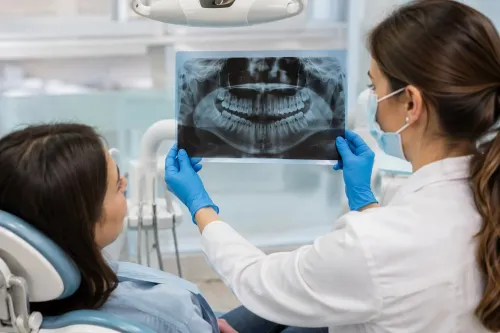
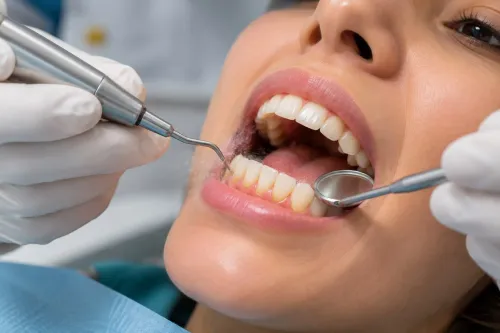
A dental examination should check enamel thickness, decay, gum inflammation, plaque control, bite forces, and existing restorations before cosmetic work begins. Whitening cannot change a filling or crown, and orthodontics cannot alter intrinsic colour.
Stabilise disease first; otherwise, treatment can fail at the margins, chip under an unstable bite, or hide a problem that needs restorative care.
Compare whitening, cleaning and small shape changes
Professional whitening, professional cleaning, or enamel reshaping is usually better than veneers when the concern is limited to colour, surface deposits, or a small contour defect and the tooth remains structurally sound.
| Option | Best for | Important limit |
|---|---|---|
| Professional cleaning | Extrinsic stains from plaque, tartar, coffee, tea or tobacco | It will not change intrinsic discoloration or the natural colour of enamel |
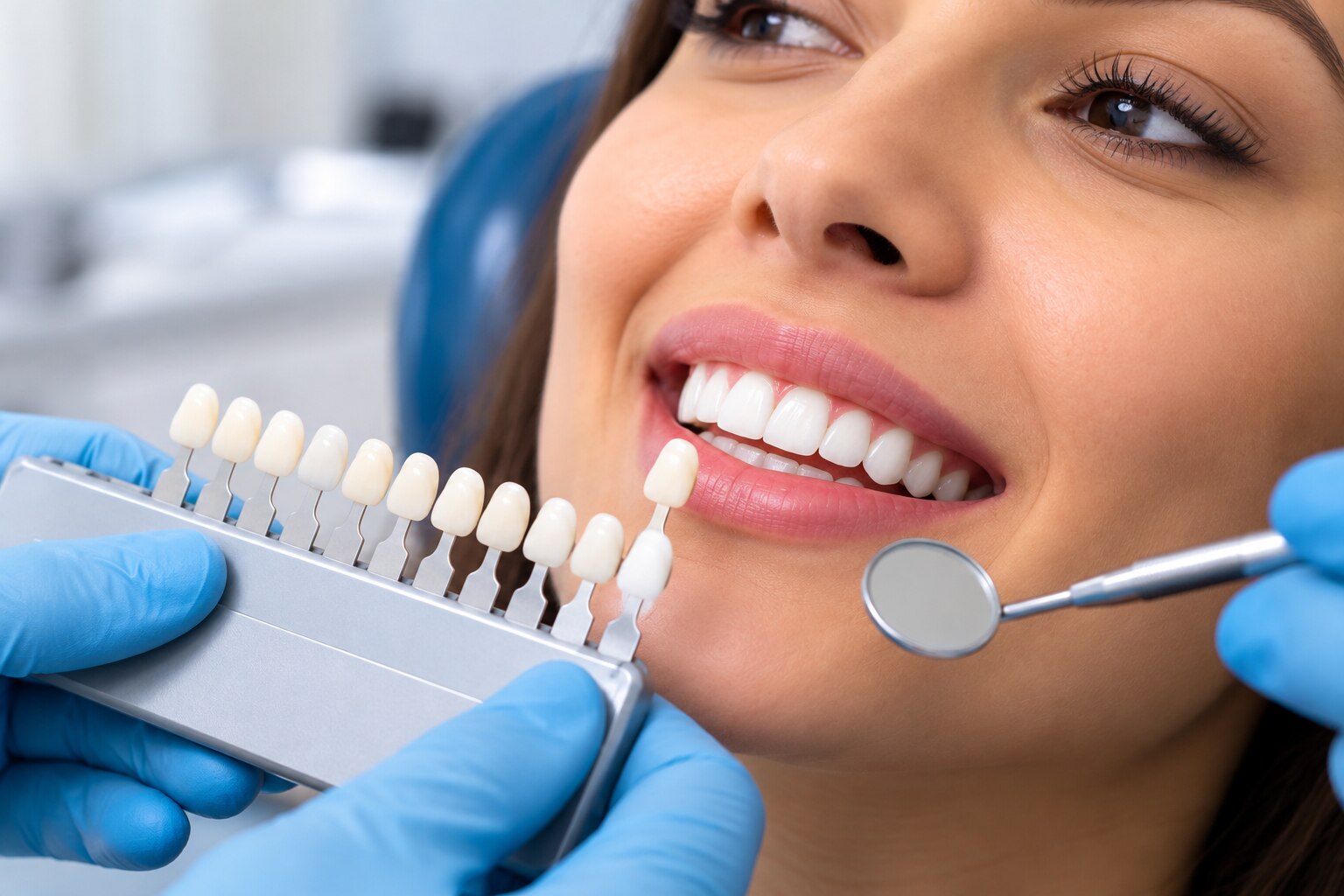
| Professional whitening | Overall yellowing and some age-related colour change | It does not whiten crowns, fillings, bonding or existing veneers |
| Enamel reshaping | Slightly uneven edges, a small point or minor length difference | It removes a small amount of enamel and cannot correct major shape or colour problems |
| Veneers | Resistant discoloration combined with changes to shape, length or minor spacing | Conventional preparation is usually irreversible because enamel is removed |
Choose professional cleaning first when deposits or surface stains make teeth look dull; whitening works better after those deposits are removed. Choose professional whitening over veneers when the tooth shape is acceptable and the colour is likely to respond.
Veneers become more appropriate when intrinsic discoloration from fluorosis, trauma or tetracycline staining remains visible after whitening, or when you also need substantial contour changes. They require more commitment, while cleaning, whitening and reshaping preserve more natural tooth structure.
Use composite bonding for conservative contour changes
Composite bonding adds tooth-coloured resin directly to the enamel, making small contour changes without the extensive enamel removal used for many veneers. The dentist shapes and polishes the material to blend with neighbouring teeth.
- Chipped teeth: Resin rebuilds a broken edge and can restore a more even length.
- Small gaps: Resin widens adjacent teeth to reduce a narrow space without moving the teeth.
- Tooth contours: Resin can round sharp corners, balance uneven edges, or make a short tooth appear longer.
The trade-off is durability. Composite bonding is more vulnerable than porcelain to staining, surface wear and fracture, especially on front teeth exposed to coffee, tea, tobacco or biting hard foods. Night-time clenching or grinding increases the risk of failure; a protective appliance may help when your dentist recommends one.
Bonding is usually repairable, but repairs can alter the surface texture or shade, and replacement may eventually be needed. Ask how the planned resin shade will match existing teeth, whether your bite loads the bonded edge, and how polishing or future whitening could affect the result.
Whiten natural teeth before bonding if you want a lighter final shade, because whitening does not lighten cured composite resin.
Plan veneers around enamel, proportions and the bite
A veneer plan starts with enamel, not a shade card. Porcelain veneers bond most predictably to sound enamel, while their width and length must suit your facial proportions, tooth visibility and smile line. Treat decay, cracked teeth or uncontrolled gum disease before considering veneers.
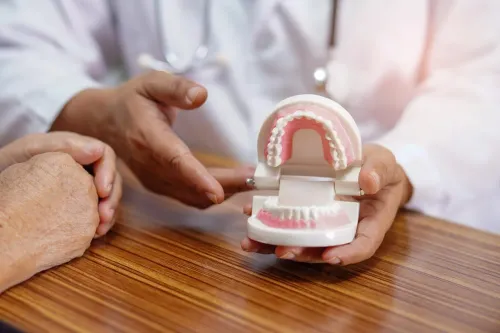
A dentist records photographs, scans or impressions, and your bite. A trial smile and mock-up let you assess proposed length, contour and tooth display before preparation; speak, smile and check whether the design feels too bulky. Ask how much enamel removal the plan requires and whether the change is reversible.
| Option | What it means | When it makes sense |
|---|---|---|
| No-preparation veneers | Little or no enamel removal | A suitable tooth already has enough space and needs a small contour or colour change; added thickness must not disrupt the bite |
| Minimal-preparation veneers | A thin layer of enamel is removed | The mock-up shows that slight reduction will create better proportions, spacing or colour without unnecessary tooth loss |
| Conventional veneers | More enamel is removed for space and retention | The tooth needs a larger change in position, shape or shade, accepting that preparation is irreversible |
Material selection also matters. EMax veneers are a type of strong glass-ceramic porcelain used when translucency and a natural appearance are priorities, but the dentist must match the material to your bite.
Clenching, grinding, an edge-to-edge bite or heavy contact can chip veneers. Confirm how the veneers will meet opposing teeth and whether a night guard is appropriate; bonding is completed only after the fit, shade and bite pass inspection.
Choose crowns or gum contouring for structural and gumline problems
Dental crowns restore the visible shape, colour and proportions of a structurally compromised tooth. They suit teeth weakened by large fillings, cracks, severe wear or extensive decay, where bonding or a veneer would not provide enough support.
Dental crowns require more tooth preparation, so using one solely to cover a minor cosmetic flaw sacrifices healthy enamel unnecessarily.
Gum contouring reshapes excess or irregular gum tissue to make tooth lengths and gum margins look more even. It can reduce excessive gum display in a gummy smile, expose more of a short-looking tooth, or balance one uneven gumline against its neighbours.
Surgical crown lengthening removes gum tissue and sometimes reshapes supporting bone, followed by a healing period before a final restoration.
| Treatment | Appearance change | Main trade-off |
|---|---|---|
| Dental crowns | Rebuild damaged contour, length, colour and proportion | Greater tooth reduction; possible sensitivity and ongoing restoration care |
| Gum contouring | Reveals more tooth and regularises uneven gum margins | Healing time; altered gumline and possible root sensitivity |
| Both | Matches tooth structure with a balanced gum display | Requires diagnosis of tooth and gum causes before treatment |
Ask whether the problem comes from weakened tooth structure, excess gum, or both. Contouring will not repair decay, and a crown will not correct a gumline that remains uneven.
Use alignment and tooth replacement when position or absence drives the appearance
Choose orthodontic alignment when tooth position—not colour or a small edge defect—makes the smile look uneven. It is the better foundation for concerns such as:
- Crowding that makes teeth overlap or rotate
- Spacing that creates visible gaps
- Protruding teeth or a bite discrepancy that affects tooth display
Orthodontic treatment moves teeth without reshaping healthy enamel, but it will not whiten enamel or restore worn teeth. Retainers are part of the long-term plan because teeth can drift after treatment.
Tooth replacement belongs in the plan when missing teeth create a visible gap, affect chewing, or allow neighbouring teeth to shift. Compare the main options before choosing:
| Option | What it replaces | Key decision |
|---|---|---|
| Implant-supported crown | Tooth and root components | Needs adequate bone, controlled disease and healing time |
| Fixed bridge | Visible tooth space using neighbouring teeth for support | May require preparing adjacent teeth |
| Removable prosthesis | One or more missing teeth | Easier to remove, but stability and appearance require careful fitting |
At PRYSM DENTAL STUDIO, ask how bone levels, gum health, tooth position and your bite affect the proposed result. Replacing a missing tooth is not an instant cosmetic fix; stabilise active decay or gum inflammation first.
Related services
Cosmetic & Aesthetic Dental Treatment Cosmetic & Aesthetic Dentistry at Prysm Dental Studio – Transform Your Smile with Dr. View service → |
Prosthodontics, Crowns & Bridges Best Prosthodontics & Restorative Dentistry in Pune | Dental Crowns, Zirconia Crowns, Ceramic Crowns & Inlays-Onlays at Prysm Dental Studio Restore... View service → |
Frequently asked questions
How do you choose the right cosmetic dental treatment?
Start with the cause of the visible problem. Surface deposits may need cleaning, suitable tooth stains may respond to whitening, while chips, wear, weakened teeth, gumline differences, alignment and missing teeth require different options.
What is the difference between teeth cleaning and whitening?
Cleaning removes surface deposits such as plaque, tartar and some external staining. Whitening changes the colour of suitable natural teeth, including age-related or certain intrinsic stains, after a dental assessment.
When is composite bonding a good choice?
Composite bonding suits conservative contour changes such as small chips, uneven edges and minor gaps when the tooth has enough healthy structure and the bite will not overload the repair.
What should you check before choosing veneers?
Check how much enamel must be removed, whether the planned tooth proportions suit your face and neighbouring teeth, and whether the veneers will fit comfortably within your bite.
When are crowns or gum contouring used for cosmetic concerns?
Crowns address teeth with substantial structural damage or weakness when a filling or bonding is not enough. Gum contouring addresses an uneven or excessive gumline after the health and stability of the gums are assessed.
Related services
Treatment at Prysm Dental Studio – Complete Smile Restoration by Expert Dentists Full Mouth Rehabilitation in Pune – Restore Your Smile, Function &... View service → |
Best Scaling & Polishing Treatment in Deccan Gymkhana, Pune | Dr. View service → |