A short tooth, darkened tooth, uneven gum line or visible gap can have more than one cause, so the best treatment depends on what is happening beneath the appearance. By the end, you will know how an aesthetic dentist evaluates the whole smile, which options match specific concerns, and where whitening, bonding, veneers, crowns or orthodontics become the wrong choice.
Key takeaways
- Check teeth, gums, bite, facial proportions and lip movement first.
- Treat decay and gum disease before cosmetic changes.
- Match bonding, veneers, crowns, whitening or orthodontics to the problem.
- Sequence alignment and colour treatments before final restorations.
What does an aesthetic dentist examine before recommending treatment?
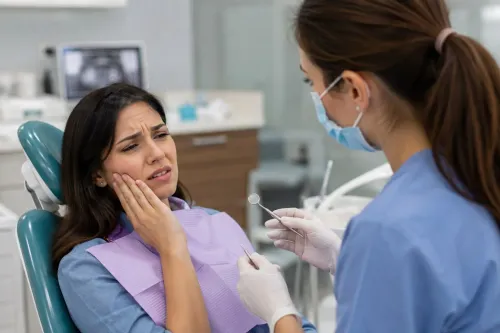
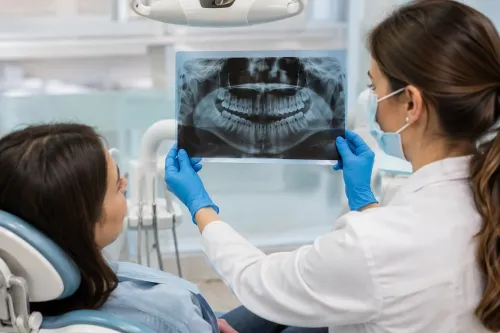
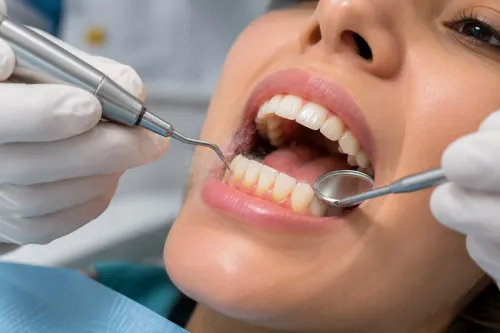
An aesthetic dentist assessment starts with your complaint, then tests whether tooth shape, tooth colour or the wider smile is causing it. The dentist examines teeth, gums, bite, facial proportions and lip movement before recommending a procedure.
1. Describe the concern precisely: short teeth, chipped corners, triangular spaces, a dark tooth, uneven gum levels, crowding or excess gum display. This gives the examination a specific target.
2. Check health and stability. Decay, cracks, leaking fillings, infection, gum disease, tooth wear and active grinding must be addressed first; veneers or whitening cannot repair those problems.
3. Perform a smile analysis. The dentist assesses the dental midline, incisal-edge position, tooth proportions, posterior tooth display, gingival levels, lip position and the amount of tooth visible at rest and while speaking. An uneven smile may come from tooth position or facial asymmetry rather than tooth shape.
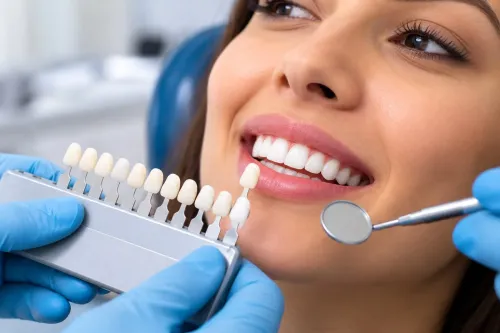
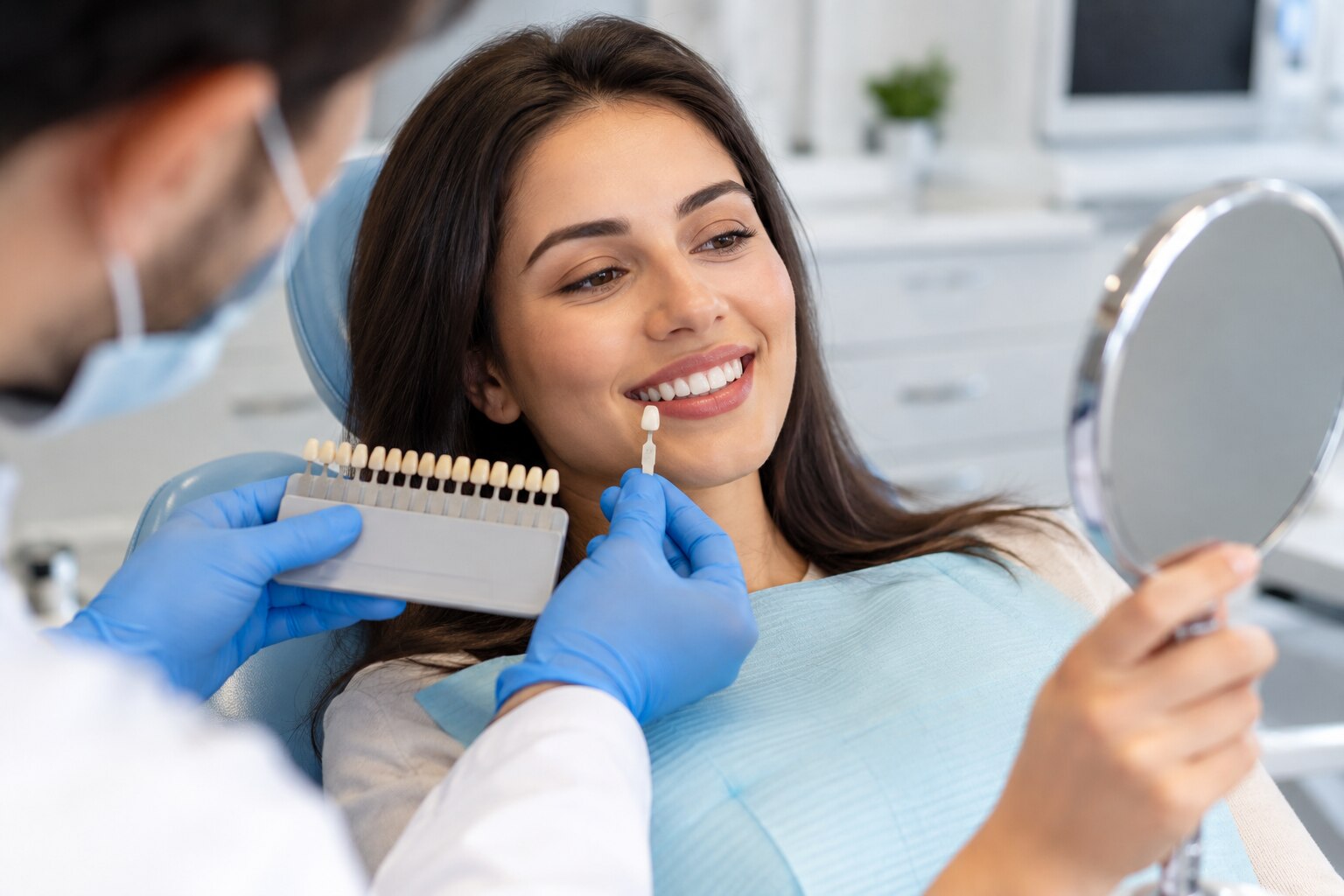
4. Test colour and function before choosing treatment. Surface stains from plaque, tobacco or food may need professional cleaning, while trauma, fluorosis, tetracycline staining or a non-vital tooth may require a different approach. Shade selection should happen with hydrated teeth because dehydration can make enamel look temporarily whiter.
The plan then matches the cause, not a celebrity smile or a requested procedure. A gummy smile, for example, can involve gum coverage, tooth position, lip movement or jaw proportions. Grinding or unstable bite contacts may require bite management or a night guard before bonding or ceramic work.
Which treatment matches a specific shape, spacing or gum concern?
Short teeth need a cause, not an automatic veneer. Tooth wear, gum coverage, tooth position and lip display can make teeth look short; discuss enamel reshaping, composite bonding, orthodontics or gum contouring. A chipped tooth or uneven edge often suits bonding, but a crack, weak filling or heavy grinding may require stronger restorative treatment.
| Concern | Treatment to discuss | Important limitation |
|---|---|---|
| Gaps | Orthodontics to close or redistribute space; bonding or veneers for selected small gaps | Closing space without checking the bite can create an unstable result |
| Crowding | Braces or clear aligners; reshaping or restorations only after alignment is assessed | Bonding crowded teeth can make them bulky and harder to clean |
| Triangular spaces or black triangles between teeth | Periodontal assessment, orthodontic movement, tooth reshaping or carefully designed composite additions | Bulky composite can trap plaque and will not replace lost gum tissue |
| White spots | Fluoride-based management, resin infiltration, whitening or restoration, depending on whether the mark is superficial or enamel-deep | Whitening alone can make the spots look more prominent |
| Gummy smile | Gum contouring or crown lengthening, orthodontics, lip-focused treatment or, in selected skeletal cases, jaw surgery | The correct option depends on tooth position, gum levels, lip movement and jaw proportions |
Ask whether the plan preserves healthy enamel and addresses the cause. A standard tooth proportion may look unnatural if the dental midline, facial symmetry, incisal edges or lip movement do not match it. Stabilise gum disease, decay, infection or active tooth wear before cosmetic additions.
How can an aesthetic dentist identify the right treatment for discoloured teeth?
The key question is whether the colour sits on the tooth or within it. Surface stains from plaque, tobacco, tea or coffee often improve with professional cleaning. Intrinsic tooth discoloration caused by trauma, tetracycline, fluorosis, developmental defects or a non-vital tooth may respond poorly to ordinary whitening.
| Option | What it addresses | When it fits |
|---|---|---|
| Professional cleaning | Removes deposits and external staining | Brown or yellow surface stains on otherwise healthy teeth |
| Professional teeth whitening | Lightens natural tooth structure | Generalised colour change when teeth and gums are healthy |
| Internal bleaching | Lightens a tooth from inside | One dark tooth after root-canal treatment, once infection and the cause are controlled |
| Restorative treatment | Covers or rebuilds discoloured or damaged structure | Severe intrinsic tooth discoloration, defects, or colour that does not respond adequately to bleaching |
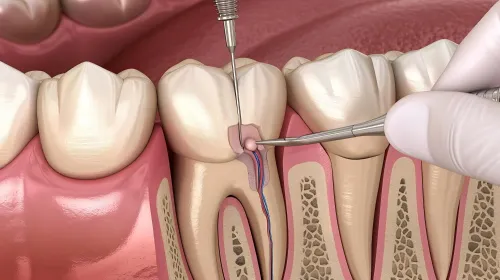
One dark tooth needs a focused examination, and often an X-ray, before internal bleaching is chosen. A tooth that has not had root-canal treatment may need treatment for decay, trauma or pulpal disease rather than cosmetic bleaching.
Existing fillings, crowns, veneers and bonding do not whiten. If they show when you smile, whitening natural teeth first can reveal a mismatch; replace visible restorations only after the natural teeth reach their final shade. Treat active disease or structural damage before selecting any cosmetic option.
How do bonding, veneers, crowns, whitening and orthodontics compare?
Composite bonding usually gives the best balance when you need a small shape correction with minimal tooth removal. Whitening is the least invasive colour option, while orthodontics preserves tooth structure when position or spacing causes the concern.
| Option | Tooth preservation and reversibility | Durability and repairability | Appointment pattern |
|---|---|---|---|
| Composite bonding | Little or no enamel removal; reversible when no preparation is needed | Less durable than porcelain; chips can usually be repaired or added to | Often completed in one visit |
| Whitening | No tooth removal and no change to tooth shape; the shade fades and can be refreshed | No restoration to chip; it cannot change fillings, crowns or veneers | Usually involves planned whitening appointments and maintenance |
| Porcelain veneers | Conventional preparation removes enamel permanently; preserving enamel improves bonding | More durable than bonding but can chip, debond or need replacement; repairs are limited | Usually requires preparation, temporary coverage and a later fit |
| Emax veneers | A strong porcelain veneer option; still irreversible if enamel is prepared | Repairability is limited after fracture, so replacement may be needed | Commonly takes more than one appointment |
| Dental crowns | Requires substantial reduction around the tooth; irreversible | Durable coverage for a weakened tooth, but it can fracture, leak or require replacement | Usually requires preparation and a later fit |
| Orthodontics | Moves natural teeth without cutting them; retainers are needed to limit relapse | No veneer or filling to fracture; movement takes time | Treatment spans multiple visits over months, not a single cosmetic appointment |
Choose the least destructive option that solves the actual problem. Orthodontics before whitening or restoration can close spaces and improve alignment without disguising position problems with large restorations. Active decay, gum disease, cracks, wear or bite problems must be addressed first.
How should you sequence cosmetic treatment for a natural, stable result?
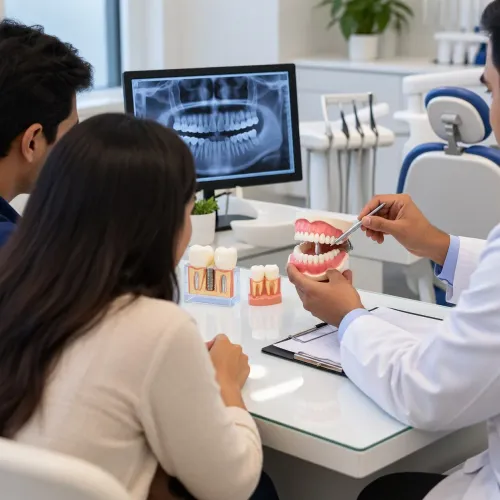
1. Begin with a diagnostic examination, not a request for veneers or whitening. Identify active decay, infection, cracked teeth, leaking fillings, gum disease, tooth wear, grinding, unstable bite contacts and missing teeth. Cosmetic treatment placed over untreated disease can fail, trap plaque or conceal a problem that later needs more invasive care.
2. Stabilise the mouth before changing appearance. Treat decay and gum disease, repair defective restorations, manage infection and address severe wear or a painful bite. If you clench or grind, discuss a night guard and bite management before or alongside bonding, veneers or crowns; otherwise, the new edges can chip or wear quickly.
3. Sequence movement and colour before final shape. Orthodontic treatment can align teeth, close or redistribute spaces and preserve tooth structure before restorations. Whiten natural teeth after alignment and before matching visible bonding, veneers or crowns, because whitening does not change restoration colour.
Use gum contouring or periodontal treatment only after confirming whether excess gum, tooth position or lip movement causes the display.
4. Finish with the least destructive correction that meets the goal, then review the result. Limit enamel reshaping to small contour changes after checking enamel thickness, contacts and bite; removed enamel does not grow back.
A smile makeover treatment plan at PRYSM DENTAL STUDIO should also specify maintenance, polishing, retainer use and review appointments, so changes remain healthy and stable rather than merely attractive on treatment day.
Related services
Cosmetic & Aesthetic Dental Treatment Cosmetic & Aesthetic Dentistry at Prysm Dental Studio – Transform Your Smile with Dr. View service → |
Prosthodontics, Crowns & Bridges Best Prosthodontics & Restorative Dentistry in Pune | Dental Crowns, Zirconia Crowns, Ceramic Crowns & Inlays-Onlays at Prysm Dental Studio Restore... View service → |
Frequently asked questions
What does an aesthetic dentist examine before recommending treatment?
The dentist reviews your complaint and examines tooth shape, colour, gums, bite, facial proportions and lip movement before recommending treatment.
Which treatment matches a specific shape, spacing or gum concern?
The suitable option depends on the cause: bonding can alter minor shape defects, orthodontics can address spacing, and gum treatment or contouring can address an uneven gum line.
How can an aesthetic dentist identify the right treatment for discoloured teeth?
The dentist identifies whether staining is on the surface, inside the tooth, caused by decay or linked to an old restoration before selecting whitening or restorative treatment.
How do bonding, veneers, crowns, whitening and orthodontics compare?
Bonding changes minor shape concerns, veneers cover the visible front surface, crowns restore a weakened tooth, whitening lightens natural tooth structure and orthodontics moves teeth.
How should you sequence cosmetic treatment for a natural, stable result?
Treat disease first, complete orthodontic alignment when needed, whiten natural teeth before matching restorations, then place final bonding, veneers or crowns.
Related services
Best Dental Fillings Treatment in Deccan Gymkhana, Pune | Dr. View service → |
Best Orthodontics & Clear Aligners in Pune | Prysm Dental Studio A confident smile starts with properly aligned teeth. View service → |
Best Scaling & Polishing Treatment in Deccan Gymkhana, Pune | Dr. View service → |