Plaque is a soft bacterial film that brushing can disrupt, but it can harden into tartar that home care cannot remove. By the end, you will know what scaling and polishing remove, what they cannot change, how the appointment works, and when you need more than a routine cleaning.
Key takeaways
- Plaque is soft biofilm; tartar is hardened plaque that brushing cannot remove.
- Ultrasonic scaling loosens calculus so it can be rinsed or manually removed.
- Polishing removes some surface stains but cannot change the natural colour of teeth.
- Deep deposits, gum disease, or heavy buildup may require additional visits.
Plaque and Tartar Are Different Deposits
Dental plaque is a sticky bacterial biofilm made of bacteria, saliva and food debris. If it remains on a tooth instead of being disrupted by brushing and cleaning between teeth, minerals from saliva enter the film and harden it. That mineralised deposit is tartar, also called dental calculus.
The difference matters because hardened calculus bonds to the tooth surface. A toothbrush and floss can disturb new plaque but cannot reliably break off tartar, especially when it lies below the gumline. Professional scaling instruments remove it without relying on forceful home scraping, which could injure the gums or scratch tooth surfaces.
The practical distinction is:
- Dental plaque: Soft and removable with thorough brushing twice daily using fluoride toothpaste, plus cleaning between the teeth.
- Tartar or dental calculus: Hard, attached and unsuitable for home removal; it needs professional instruments.
- Professional scaling: Removes plaque and calculus above and below the gumline, where deposits are difficult to reach at home.
Tartar also creates a rough surface that traps fresh plaque, making gum inflammation, redness and bleeding more likely. Scaling removes that surface, but it does not stop new plaque forming. Continue daily plaque control after treatment; otherwise saliva minerals can harden remaining plaque into calculus again.
Scaling is different from root planing, which smooths contaminated root surfaces during treatment for periodontal pockets.
How Ultrasonic Scaling Breaks Up Deposits
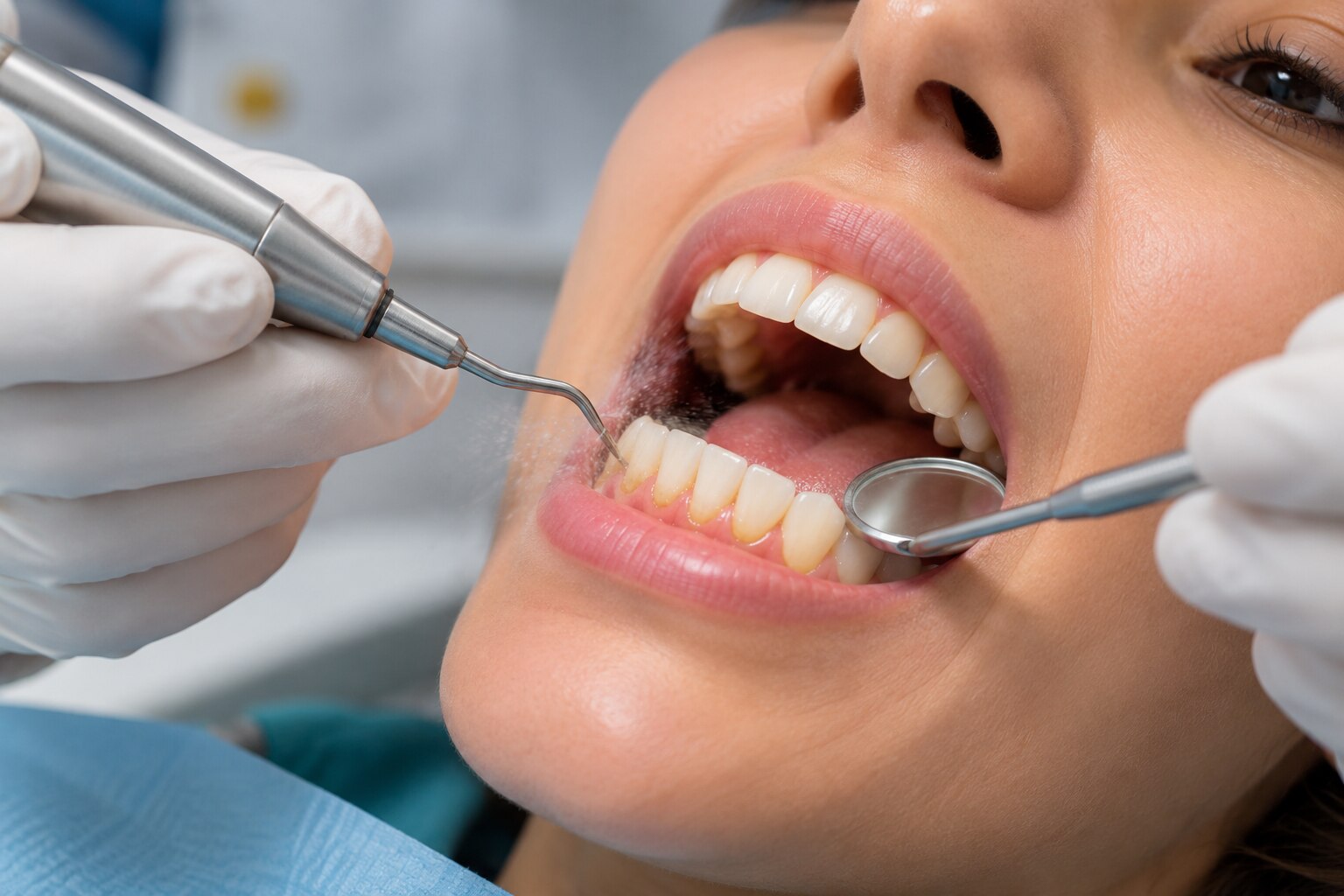
An ultrasonic scaler loosens calculus with a working ultrasonic scaler tip that vibrates at high frequency. Contact with hardened deposits fractures their attachment to enamel or root surfaces; the tip is not meant to scrape aggressively. The water spray cools the vibrating tip and flushes loosened particles, while suction removes water and debris.
Above the gumline, the clinician guides the tip across exposed tooth surfaces to break calculus into pieces small enough to rinse away. Below the gumline, the tip follows the tooth’s contour inside the gum pocket, removing attached deposits without forcing the instrument into inflamed tissue.
Access is narrower there, so controlled pressure and short movements matter.
Hand scalers complement ultrasonic scaling where deposits remain or the vibrating tip cannot adapt closely:
- Above the gumline, a hand scaler lifts stubborn ledges from grooves and contact areas.
- Below the gumline, the clinician uses its sharp working edge to detect and remove residual calculus from root surfaces.
Scaling removes calculus, but root planing is a deeper procedure that smooths contaminated root surfaces in periodontal pockets. Bleeding during treatment usually reflects existing gum inflammation, not damage from cleaning. Daily brushing and interdental cleaning still prevent new plaque from hardening.
What Scaling and Polishing Can Do for Stains
Scaling and professional polishing can remove surface stains and much of the extrinsic discoloration left by tobacco, coffee, tea, red wine, and strongly coloured foods. Scaling also removes plaque and calculus that trap pigments near the gumline; polishing smooths the cleaned surfaces so they look brighter.
| Type of discoloration | What scaling and polishing can do | More appropriate option |
|---|---|---|
| Surface stains from coffee, tea, tobacco, or foods | Often removes or reduces them | Scale and polish |
| Extrinsic discoloration on the enamel surface | Usually improves it when deposits are present | Scale and polish first |
| Intrinsic discoloration within the tooth | Cannot change the underlying dentin colour | Whitening or restorative treatment |
| Colour changes from aging, fluorosis, trauma, or some medicines | Does not reliably remove them | Dental assessment; whitening or restorations |
Professional polishing is not bleaching. Polishing removes deposits and surface discoloration, while peroxide-based whitening lightens tooth structure. Whitening becomes more appropriate when your teeth remain darker after cleaning, provided the colour comes from natural tooth structure and your teeth and gums are healthy enough for treatment.
Polishing should be targeted, not aggressive or automatic. Repeated heavy polishing can remove small amounts of enamel or expose sensitive root surfaces. If a stain does not lift, ask for its cause rather than requesting a stronger polish; a filling, crown, decay, fluorosis, or trauma-related colour change needs a different solution.
What Happens During the Appointment
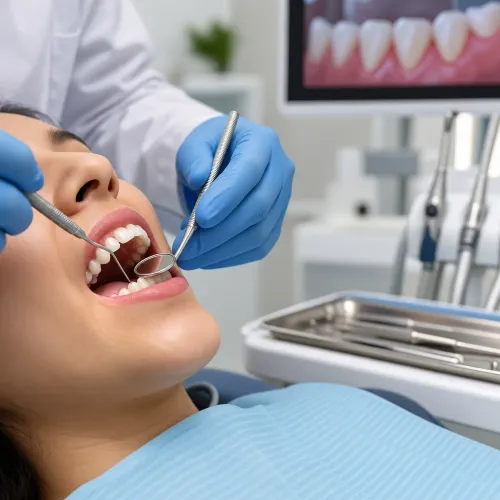
Expect an examination before cleaning begins. The clinician checks plaque and calculus, gum colour and swelling, bleeding, recession, tooth mobility, and pocket depths during the gum assessment. This identifies whether deposits sit only around the gumline or extend into periodontal pockets that need more than routine scaling.
The appointment usually follows this sequence:
- The clinician explains the findings and notes areas needing extra attention, including a gumline cleaning where deposits collect between teeth and gums.
- Ultrasonic scaling uses vibration, water spray, and suction to loosen hardened deposits; hand scalers remove remaining calculus from narrow or sensitive areas.
- Polishing uses a rotating rubber cup and prophylaxis paste to remove residual surface deposits and external discoloration. It does not bleach the tooth, so polishing is targeted rather than aggressive.
- The clinician rinses the mouth, checks the gum margins again, and demonstrates brushing or interdental cleaning for places that retain plaque.
Bleeding during scaling usually reflects inflammation that existed before the appointment, not damage to healthy gums. Healthy gums should not routinely bleed during brushing or professional instrumentation.
You may notice tooth sensitivity to cold, air, or touch afterward, especially where inflamed gums have shrunk or root surfaces are exposed. It often settles, but severe or persistent sensitivity needs assessment. PRYSM DENTAL STUDIO can use the examination findings to distinguish routine cleaning from a need for periodontal evaluation.
When One Visit Is Enough—and When More Care Is Needed
One visit is enough when deposits are limited to accessible tooth surfaces, gum measurements are healthy, and bleeding reflects mild gingivitis. A routine scale and polish can remove the deposits, but it cannot repair damage caused by advanced gum disease.
The number of visits increases when the examination finds:
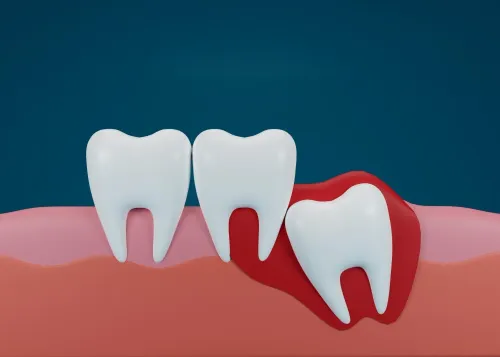
- Periodontal pockets that trap plaque and calculus below the gumline
- Persistent bleeding, swelling, or discharge after cleaning
- Bone loss, loose teeth, or gum recession linked to periodontitis
- Heavy or widespread deposits that cannot be removed comfortably in one appointment
- Risk factors such as smoking, diabetes, difficult-to-clean teeth, or previous periodontal disease
Scaling and root planing is not simply a longer cosmetic cleaning. Scaling removes deposits; root planing cleans and smooths contaminated root surfaces inside periodontal pockets. A dentist or periodontist may divide this treatment across several visits, then recheck pocket depths and bleeding before deciding whether further care is needed.
Routine cleaning is the wrong plan when pockets, bone loss, tooth mobility, or bleeding persist. After active periodontitis treatment, periodontitis maintenance visits must follow a risk-based interval rather than a fixed cosmetic schedule. Brush twice daily with fluoride toothpaste and clean between your teeth to slow new plaque buildup.
Mild sensitivity can follow exposed-root cleaning; severe or persistent pain needs assessment for decay, cracks, abrasion, or pulpal disease.
Frequently asked questions
What is the difference between plaque and tartar?
Plaque is a sticky bacterial biofilm containing bacteria, saliva, and food debris. Tartar, also called dental calculus, forms when saliva minerals harden plaque on the teeth.
How does ultrasonic scaling remove tartar?
An ultrasonic scaler uses rapid vibrations and water to break up hardened deposits, allowing the loosened calculus to be rinsed away or removed with dental instruments.
Can scaling and polishing remove all tooth stains?
Polishing can reduce some external stains from foods, drinks, or tobacco. It cannot remove stains inside the tooth or change the tooth’s natural colour.
Is one dental scaling appointment enough?
One visit may be enough for limited buildup. Heavy calculus, deposits below the gumline, or gum disease can require more care and additional appointments.