A small cavity may not cause obvious pain. In some cases, tooth decay is discovered during a routine examination before the patient notices anything unusual. Dental Fillings are commonly used to repair teeth affected by suitable areas of decay or minor structural damage while preserving as much healthy tooth tissue as possible.
Knowing when a filling may be recommended can make early restorative care easier to understand.
How Tooth Decay Develops
Dental plaque contains bacteria that interact with sugars and carbohydrates in the diet. Acids produced during this process can gradually affect the tooth surface.
Over time, repeated acid exposure can contribute to mineral loss and eventually cavity formation.
Early enamel changes do not always require a filling. Depending on the condition, location, and extent of the lesion, a dentist may sometimes recommend preventive measures and monitoring.
Once a cavity has progressed sufficiently, restorative treatment may be required.
Signs That Deserve Dental Assessment
Possible symptoms of tooth decay or damage include:
- Sensitivity to cold, heat, or sweet foods
- Pain when biting
- Food repeatedly becoming trapped in one area
- A visible hole or dark area
- Roughness or a chipped section of tooth
- Persistent discomfort
These symptoms are not specific to cavities. Cracked teeth, gum problems, pulp inflammation, and other conditions can produce similar complaints, so diagnosis should come before treatment.
What Happens During Filling Treatment
The exact procedure depends on the tooth and restoration required.
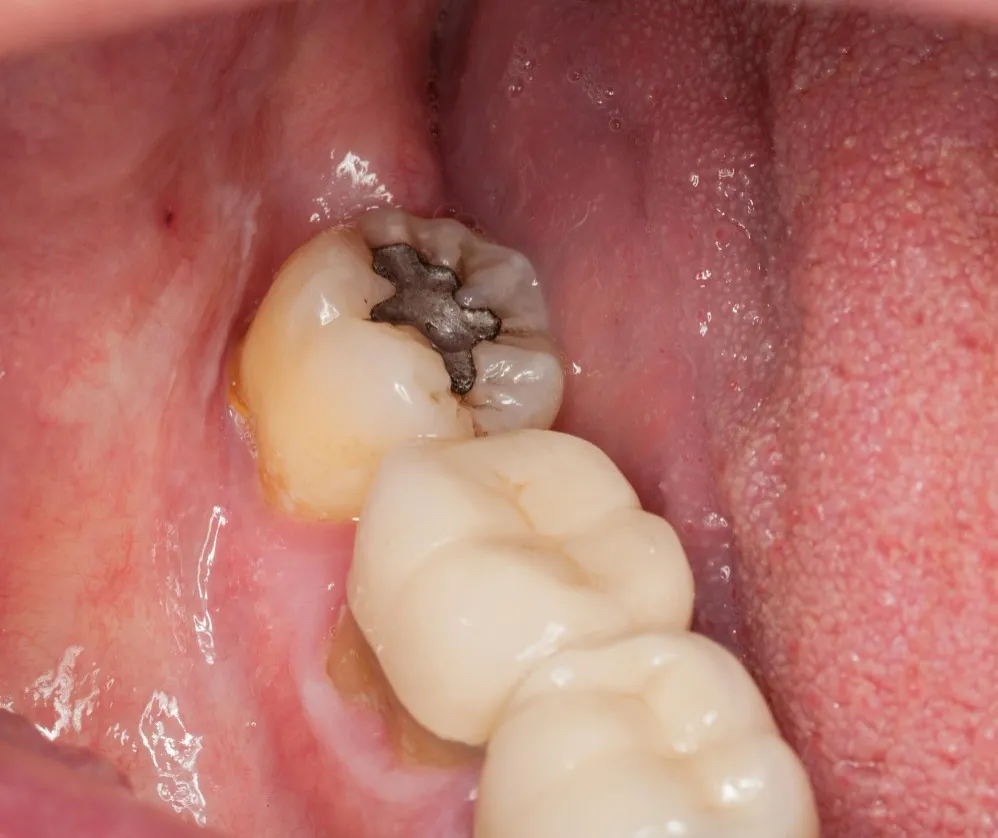
Typically, the affected or damaged area is prepared, and an appropriate restorative material is placed to rebuild the missing tooth structure. The dentist then shapes the restoration so it fits the tooth and bite appropriately.
Different filling materials have different properties. Tooth-coloured restorative materials are commonly used in many situations, but material selection should consider the tooth location, cavity size, bite forces, aesthetics, moisture control, and remaining tooth structure.
Why Waiting Can Change the Treatment Needed
A cavity does not become harmless simply because it is painless.
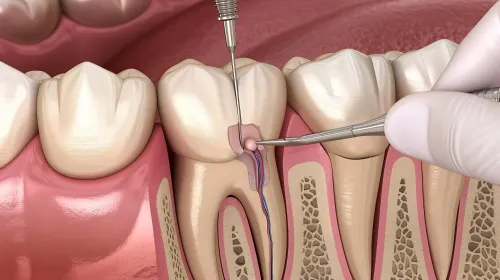
When decay progresses deeper into a tooth, it may approach or affect the dental pulp. At that point, a straightforward filling may no longer be sufficient. Depending on the findings, treatment could involve root canal therapy, a crown, or extraction when a tooth cannot predictably be restored.
This does not mean every untreated cavity will progress at the same speed. It does mean that early assessment usually provides more options.
Fillings Also Need Ongoing Care
A restored tooth still needs normal brushing, interdental cleaning, and dental reviews.
Fillings can experience wear, fracture, marginal changes, or recurrent decay around their edges over time. Patients who clench or grind their teeth may place additional forces on restorations.
At PRYSM DENTAL STUDIO, patients in Pune and surrounding areas of Maharashtra can have suspected cavities evaluated to determine the extent of tooth damage and whether a filling or another restorative approach is suitable.
The purpose of Dental Fillings is not simply to cover a cavity. Proper restorative care aims to remove or manage damaged tissue where appropriate, restore tooth form and function, and preserve remaining healthy structure. Paying attention to early symptoms and maintaining regular dental examinations can help identify problems while treatment choices remain relatively conservative.
Keywords