A crooked front tooth, a visible gap, or an uneven bite does not by itself show whether clear aligners are appropriate. Suitability depends on the movements required, the health and support of your teeth, the cause of the problem, and how reliably you can follow the treatment plan. By the end, you will know what an orthodontist must assess, when braces or other treatment may be more predictable, and what questions to ask about the proposed plan.
Key takeaways
- Aligners suit small, controlled movements better than major tooth repositioning.
- Ask for checks of gum health, roots, bone support, decay and bite before treatment.
- Attachments, enamel reshaping or extra space may improve difficult tooth movements.
- Plan for consistent daily wear, reviews, retainers and post-treatment monitoring.
Which tooth movements are aligners best suited to control?
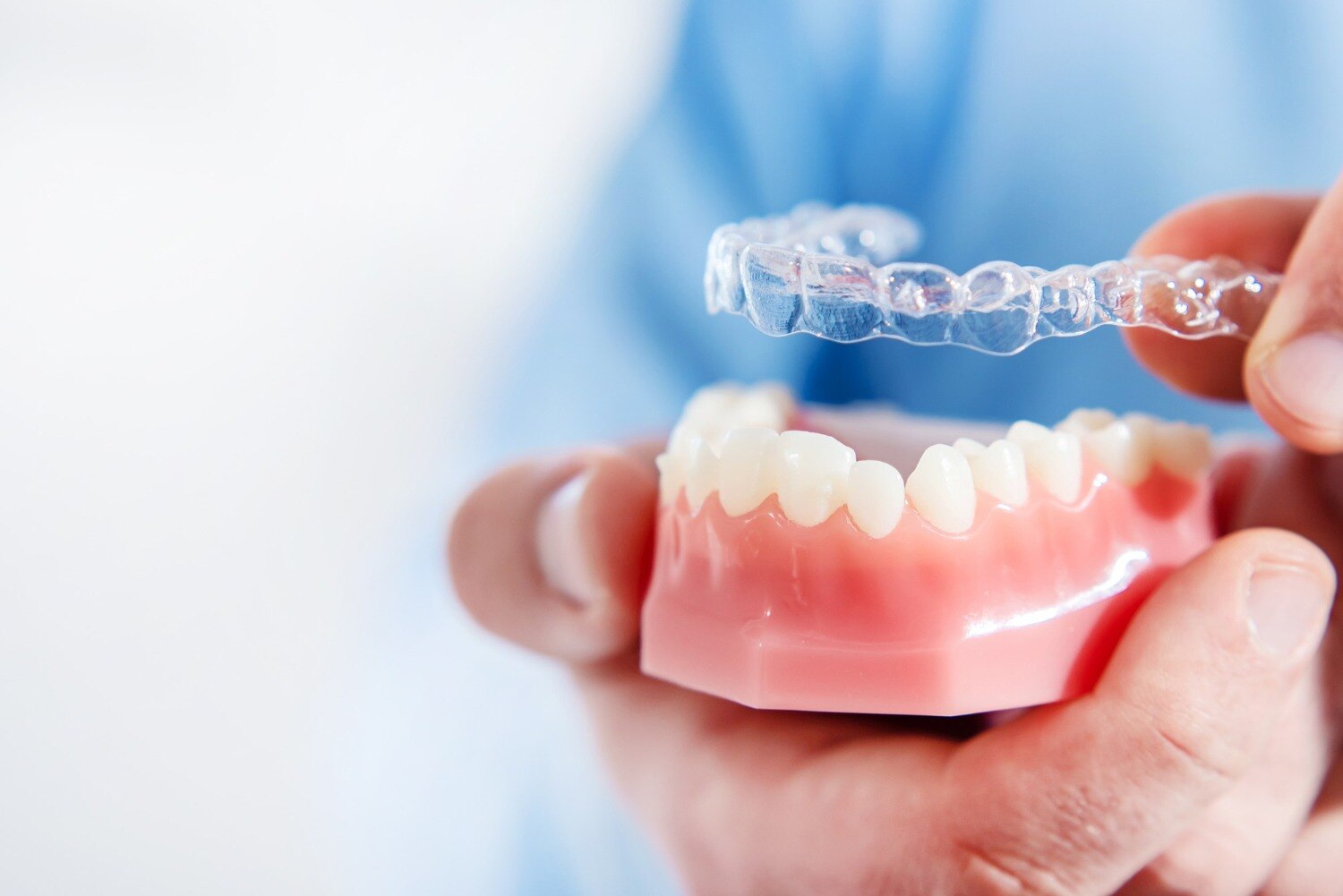
Aligners are most predictable when teeth need small, controlled movements rather than large changes in position. They can address mild-to-moderate crowding, spaces between teeth, tipping teeth inward or outward, and selected bite discrepancies such as a mild overjet or crossbite.
| Movement pattern | What it means | Aligners are more suitable when |
|---|---|---|
| Crowding | Teeth overlap because the available arch space is limited | The crowding is mild to moderate and space can be created through limited expansion, enamel reduction or controlled tooth movement |
| Spacing | Gaps appear between two or more teeth | The spaces are small, and the cause is suitable for tooth movement rather than untreated gum disease or missing teeth |
| Misalignment | Teeth sit at different angles or positions in the arch | The correction involves modest tipping or repositioning, not major bodily movement |
| Rotation | A tooth turns around its long axis | The rotation is slight; rounded teeth and severe rotations are harder to control accurately |
| Bite discrepancy | Upper and lower teeth do not meet ideally | The problem is mild and dental, without a major jaw-position difference |
Aligners become less predictable for severe crowding, large gaps, major vertical changes, impacted teeth, pronounced rotations, root movement or extensive bite correction. Attachments, elastics, additional trays or fixed braces can improve control, but they do not remove the need for an in-person assessment.
A crooked front tooth alone does not reveal how much space, bone support or movement the full correction requires.
What must be checked before an orthodontist recommends aligners?
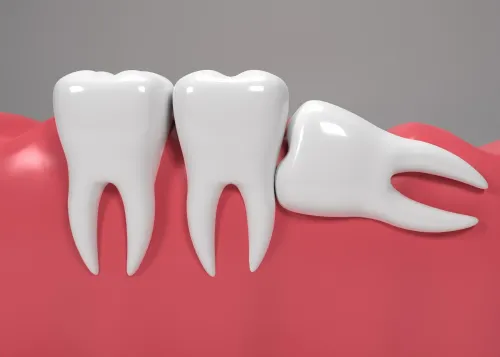
A visible gap or crowded front teeth cannot be judged reliably from appearance alone. The cause may involve gum disease, missing or undersized teeth, an impacted tooth, an uneven bite, or insufficient space beneath the gumline.
1. Examine every tooth, the gums, bite and jaw relationships. Check plaque control, bleeding, pockets, active decay and gum attachment before moving teeth. Inflamed gums or poor cleaning can worsen bone loss during treatment.
2. Record dental photographs and a digital scan or impressions. These show tooth positions, rotations, available space and how the upper and lower teeth meet. A scan or mail-order impression alone cannot reveal decay, bone loss or jaw discrepancies.
3. Take X-rays when the examination indicates a need. They can show tooth roots, impacted teeth, root shape, bone support, missing teeth and problems hidden beneath fillings or crowns. Short or damaged roots and reduced bone support can change the plan or make movement unsafe.
4. Review fillings, crowns, bridges and implants. An implant cannot move like a natural tooth, while extensive restorations can limit attachment placement or require coordination with restorative care.
The orthodontist must also consider jaw growth, facial profile, tooth size and the amount of space required. Crowding might need enamel reduction, expansion, distal movement or extraction; closing a gap may require treatment for a frenum, tongue habit or missing tooth rather than alignment alone.
Active decay, untreated gum disease or an unstable restoration should be addressed first.
When do aligners need attachments, space-making or a different appliance?
A digitally planned sequence cannot guarantee every tooth will follow it. Severe rotations, large tooth movements, extrusion or intrusion, root torque, and vertical discrepancies are less predictable, so additional aligners or another appliance may be needed.
An aligner plan may include:
- Attachments: small bonded composite shapes that give trays a better grip for rotation, tipping, or vertical control.
- Interarch elastics: rubber bands connecting upper and lower teeth to improve selected bite relationships.
- Interproximal reduction: carefully removing small amounts of enamel between teeth to create space without extraction.
- Expansion: widening the dental arch when the available space and bone support make controlled expansion appropriate.
- Extraction: removing a tooth when crowding exceeds the space available or profile and bite goals require it.
- Fixed braces: brackets and wires used for difficult movements, finishing, or a short phase after aligners.
Expansion is not the same as correcting a narrow jaw. Major bite or jaw problems, including a substantial front-to-back discrepancy, may require growth-related treatment, specialist orthodontic appliances, or jaw surgery rather than aligners alone. An orthodontist chooses the combination after assessing facial profile, periodontal support, tooth size, roots, and the amount of space required.
A plan that promises to solve severe crowding with trays alone deserves careful questioning.
Can you manage the daily wear and monitoring an aligner plan requires?
An aligner plan demands prescribed wear of 20–22 hours per day, not occasional use. Remove trays for meals, snacks, and drinks other than water; wearing them while sipping tea, coffee, juice, or soft drinks can stain trays and expose teeth to sugar or acid.
Build the routine around these practical tasks:
- Brush and floss before replacing trays when possible; rinse them with cool or lukewarm water and clean them as directed. Hot water can distort plastic.
- Store trays in their labelled case during meals, travel, or sports, rather than in a tissue or loose pocket where they can be discarded or damaged.
- If you miss wear, put the current tray back in and follow the clinician’s instructions. Do not advance to the next tray without advice if wear has been substantially interrupted.
- Contact the clinic promptly about lost trays, a cracked tray, sharp edges, persistent rubbing, or a tray that will not seat fully. Do not force it.
- Keep review appointments so the clinician can check tracking, attachments, bite changes, gum health, and the need for refinements.
Travel with spare trays, the case, cleaning supplies, and the clinic’s contact details. Severe pain, facial swelling, uncontrolled bleeding, or signs of infection require prompt contact rather than waiting for the next review.
How should you judge the proposed result, its risks and what happens afterward?
Judge the proposed result by function, not by a digitally straight front view. Ask whether the plan targets your full bite—overbite, overjet, tooth contacts and jaw relationship—or only cosmetic front-tooth straightening. Closing a gap can also leave its cause untreated, such as gum disease, a missing tooth or a tongue habit.
| Goal | What to check | Possible concern |
|---|---|---|
| Full-bite correction | Contact between upper and lower teeth, arch coordination, overbite and overjet | Straight incisors with a traumatic or unstable bite |
| Cosmetic front-tooth straightening | The visible change and what remains untreated | A pleasing smile that does not correct chewing or jaw problems |
Before tooth movement, treat active cavities, gum disease, poor plaque control and unstable restorations. Review crowns and bridges carefully: aligners may need modified planning, and implants cannot be moved like natural teeth. Short roots, bone loss, impacted teeth and severe rotations also change the risk.
Ask for an in-person examination, photographs, scans or impressions, gum measurements and radiographs when indicated. A remote scan cannot reveal decay, bone loss, root problems or jaw discrepancies reliably. Ask for:
- The movements planned, attachments, space-making and realistic limits
- Risks such as root shortening, gum recession, bone loss, bite changes and relapse
- The review schedule, refinement policy and what happens if a tray no longer fits
PRYSM DENTAL STUDIO can assess these factors alongside orthodontic and restorative needs, rather than treating every visible gap or crowding case as an aligner case. Retainers are part of treatment: stopping nighttime wear allows teeth, especially rotated teeth and crowded lower incisors, to relapse.
Related service
Best Orthodontics & Clear Aligners in Pune | Prysm Dental Studio A confident smile starts with properly aligned teeth. View service → |
Frequently asked questions
Which tooth movements are aligners best suited to control?
Aligners are most predictable for mild-to-moderate crowding, spaces, inward or outward tipping, and selected mild bite discrepancies.
What must be checked before an orthodontist recommends aligners?
The orthodontist should assess your teeth, gums, roots, supporting bone, existing dental problems and bite before planning movement.
When do aligners need attachments, space-making or a different appliance?
Attachments or enamel reshaping can support harder movements; severe movement needs or unsuitable bite problems may require another appliance.
Can you manage the daily wear and monitoring an aligner plan requires?
You need to wear the aligners for the prescribed daily duration, change trays as directed and attend monitoring appointments.
How should you judge the proposed result, its risks and what happens afterward?
Review the predicted tooth positions, limitations, risks, treatment stages and retention plan before starting, then wear retainers as instructed.