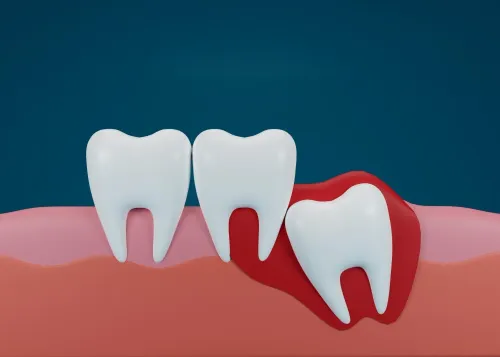
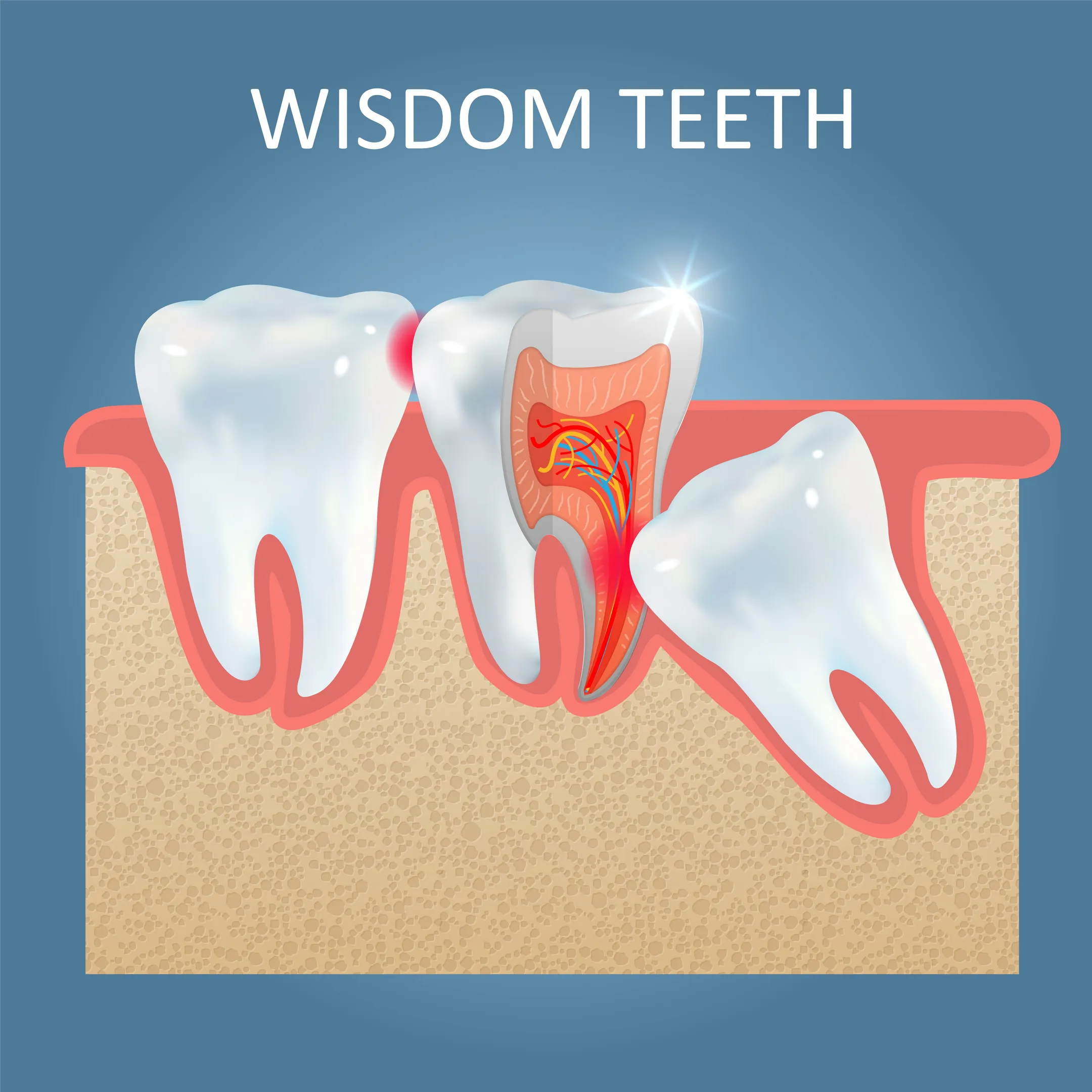
Wisdom teeth usually appear between the ages of 17 and 25. While some erupt normally, many become impacted or grow at an angle, leading to discomfort, infection, or damage to nearby teeth.
Knowing what happens before, during, and after wisdom tooth removal helps patients feel more confident about the procedure.
Why Wisdom Teeth Are Removed
Not every wisdom tooth requires extraction. However, removal is often recommended when they cause:
- Persistent pain
- Swollen gums
- Repeated infections
- Tooth decay
- Damage to neighboring teeth
- Jaw discomfort
- Difficulty cleaning the area
Removing problematic wisdom teeth early often prevents more complicated dental issues later.
Initial Examination
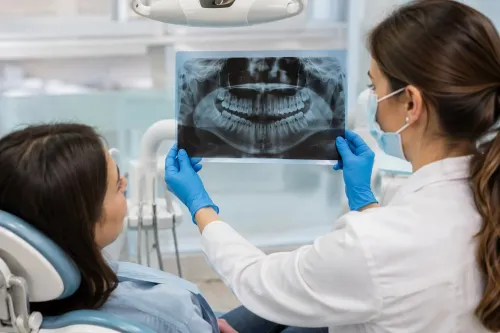
The first appointment usually involves a clinical examination and dental X-rays.
The dentist evaluates:
- Tooth position
- Root development
- Bone support
- Relationship to nearby nerves
- Signs of infection
This assessment determines whether a simple extraction or surgical removal is required.
During the Procedure
The procedure begins with local anesthesia to numb the area completely.
For impacted wisdom teeth, a small incision may be made in the gum to access the tooth. In some cases, the tooth is divided into smaller sections for easier removal while minimizing stress on the surrounding bone.
Patients generally experience pressure during the procedure rather than pain.
Recovery After Removal
Most people recover within several days, although complete healing continues over the following weeks.
After extraction, dentists typically recommend:
- Applying cold packs to reduce swelling
- Eating soft foods
- Avoiding smoking
- Drinking plenty of water
- Maintaining gentle oral hygiene
- Following prescribed medication instructions
These measures help support comfortable healing.
Common Recovery Symptoms
Temporary symptoms often include:
- Mild swelling
- Slight bleeding
- Jaw stiffness
- Minor discomfort
These usually improve gradually during the first few days.
When to Contact Your Dentist
Patients should seek professional advice if they experience:
- Severe pain after several days
- Persistent heavy bleeding
- Increasing swelling
- Fever
- Difficulty swallowing
- Unpleasant taste accompanied by discharge
Prompt evaluation helps prevent complications.
Choosing Experienced Care
Wisdom tooth removal becomes more predictable with accurate diagnosis, careful planning, and modern surgical techniques.
PRYSM DENTAL STUDIO provides comprehensive evaluations for wisdom tooth removal in Pune, helping patients understand the procedure and expected recovery before treatment begins. Clear communication and individualized care contribute to a smoother overall experience.
Early assessment is especially valuable when wisdom teeth begin causing discomfort, allowing timely intervention before more serious problems develop.
Keywords