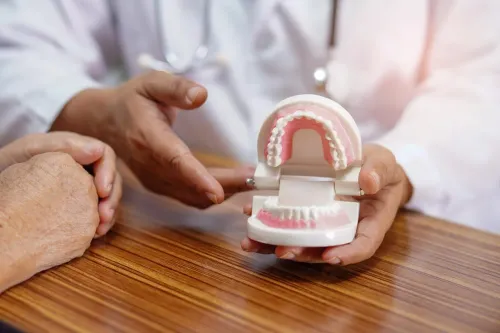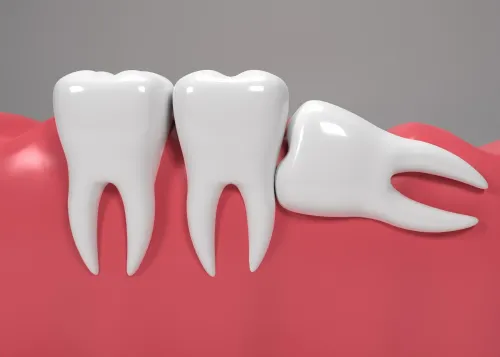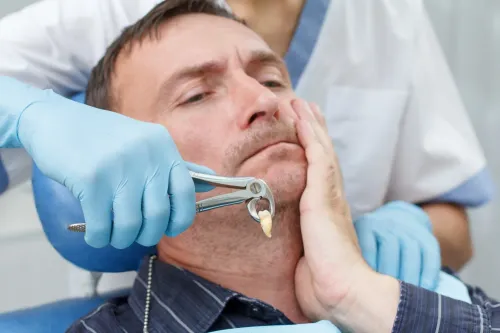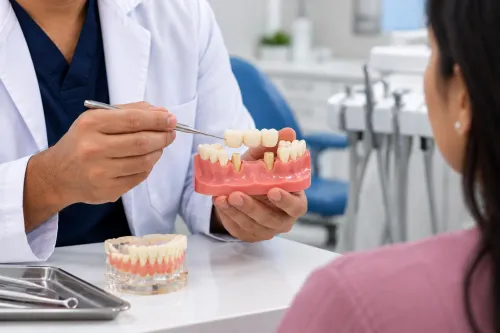
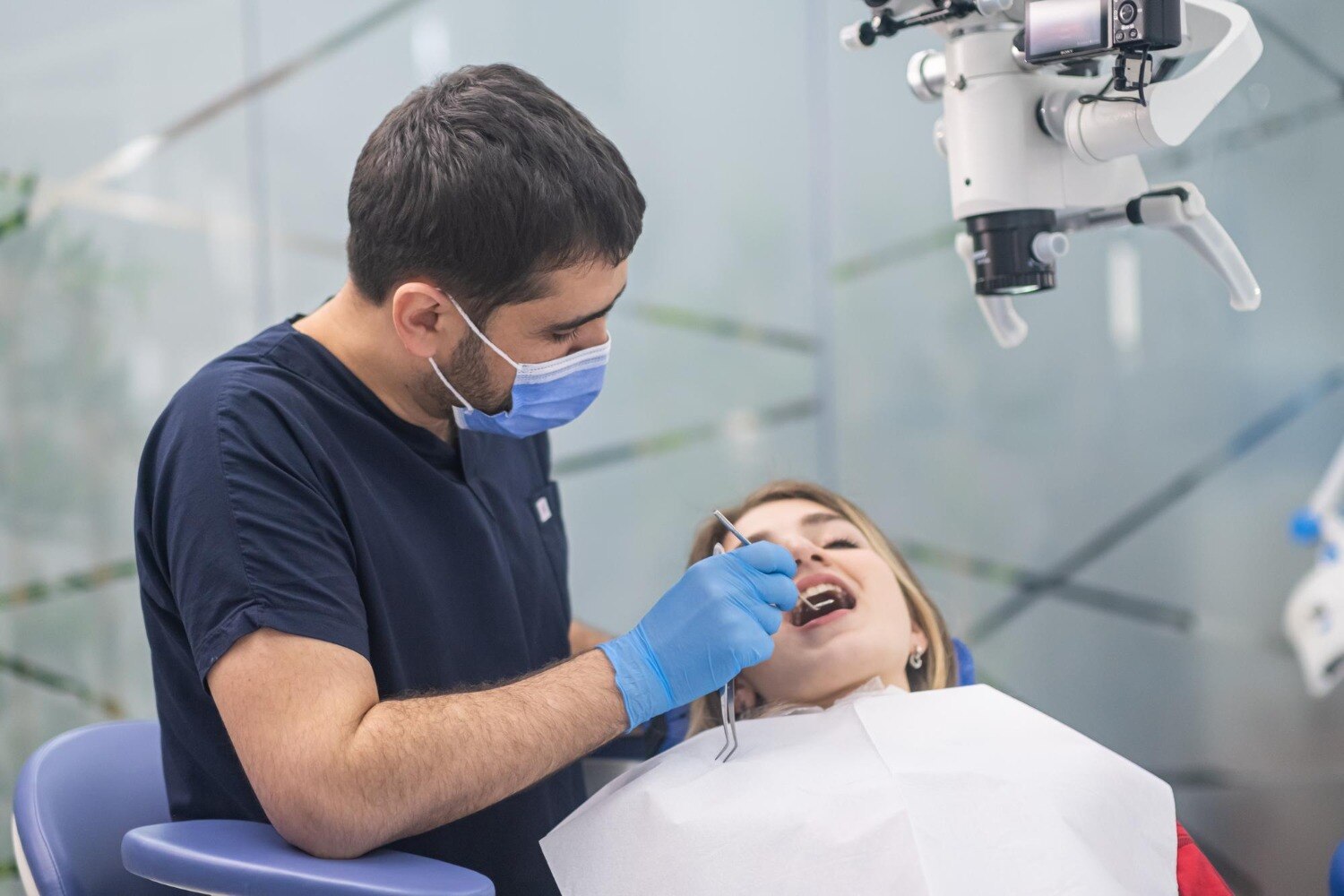
Choose a clinic that can connect diagnosis, prevention, treatment and maintenance instead of selling each procedure as a separate decision. By checking credentials, records, alternatives, safety systems, costs and emergency arrangements, you can compare clinics on the quality of care they coordinate—not the length of their service list.
Key takeaways
- Ask who will diagnose you and perform each procedure.
- Request a documented examination before approving treatment.
- Compare treatment options, risks, sequence and total cost.
- Confirm sterilization, emergency access and follow-up arrangements.
Verify who will diagnose and perform your treatment
Ask for the name and role of the dentist who will diagnose your condition and perform each procedure. A clinic’s long service list does not prove that one clinician suits every case.
Verify the dentist’s qualifications, current dental registration and clinical experience for the treatment you need. Check the official dental regulator’s public register, then ask:
- Who makes the definitive diagnosis?
- Who will place the implant, prepare the crown, provide orthodontic treatment or perform surgery?
- Does that clinician’s scope of practice cover the procedure?
- What is the treatment responsibility if another dentist performs part of the work?
- Who manages complications, and who provides follow-up care?
- When would you recommend an independent specialist referral or second opinion?
For gum disease, ask whether the clinician performs periodontal charting and treats periodontitis, or refers patients to a periodontist. For children, ask which ages the dentist routinely treats and how urgent care, behaviour guidance and sedation are handled.
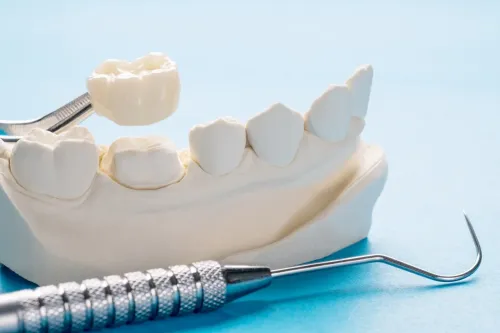
For extensive cosmetic or restorative work, confirm that the diagnosing dentist—not only a treatment coordinator—reviews your findings and explains who will deliver each stage. Choose a clinic that names accountable clinicians rather than presenting “in-house” availability as proof that every procedure belongs there.
Expect a documented examination before accepting treatment
Do not accept a crown, veneer, implant, extraction, aligner plan or extensive filling plan from a consultation that produces no documented diagnosis. The clinic should examine the cause of the problem, record its findings and explain which records support the recommendation.
1. Review your dental history, including previous restorations, root canals, extractions, orthodontic treatment, gum problems, pain, trauma, medications and relevant medical conditions.
2. Examine each tooth, existing filling and soft-tissue area. Ask for periodontal measurements, including pocket depths, bleeding points, gum recession and mobility where indicated.
3. Record the baseline with intraoral photographs, dental charting and a bite assessment. The bite record should address tooth contact, wear, crowding, jaw symptoms and the effect of any proposed cosmetic or orthodontic change.
4. Take appropriate dental X-rays rather than using the same image set for every patient. The views should answer the clinical question, such as decay depth, bone levels, root shape, cracks or implant-site anatomy.
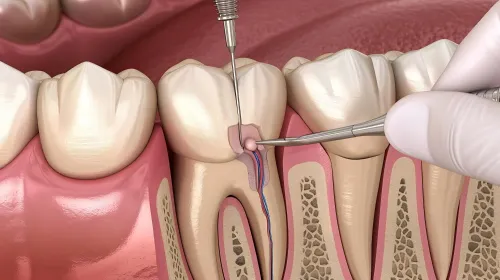
5. Confirm the diagnosis and treatment sequence in writing. A root canal plan must address whether the tooth is restorable and how it will be protected afterward; an implant plan should cover disease control, bone and soft-tissue assessment, restoration and maintenance.
If the examination is abbreviated, remote-only or unsupported by records, pause before accepting irreversible care or aligners.
Compare alternatives, risks and treatment sequence
A recommendation is necessary only when the diagnosis explains the problem and the expected benefit outweighs the biological cost. Ask what happens with no treatment, what evidence supports intervention, and how long the condition can safely wait.
Question any crown, veneer, extraction or implant plan that does not state how much sound tooth structure will be removed or which conservative option was rejected.
| Option | Compare | Ask before choosing |
|---|---|---|
| No treatment | Avoids intervention but accepts disease progression or monitoring | What signs mean observation is no longer safe? |
| Fillings versus crowns | A filling preserves more tooth; a crown provides cuspal coverage but removes more structure | Is the tooth weakened enough to justify irreversible preparation? |
| Removable versus fixed replacements | Removable appliances are easier to clean and replace; fixed options require greater commitment and maintenance | Which choice suits your bone, gums, hygiene and budget? |
| Braces versus clear aligners | Braces handle a wider range of movements; aligners depend heavily on wearing them as directed | Which movements will each option predictably achieve? |
Control pain, decay, infection or gum disease before elective whitening, veneers, orthodontics or extensive reconstruction. For root canal treatment, confirm that the tooth is restorable and how it will be restored afterward. For implants, require disease control, bone and soft-tissue assessment, placement, restoration and maintenance in the written sequence.
Include visits, risks, failure plans and maintenance. Whiten after examination because restorations do not bleach and sensitivity can occur.
Read the estimate as a complete care plan
A low total is not necessarily a complete plan. Compare the diagnosis being treated, alternatives, treatment sequence, clinician responsible, estimated number of appointments, and what happens if a restoration, implant or cosmetic procedure fails. Separate urgent decay or gum-disease control from elective cosmetic work.
| Item | Ask the clinic to show | Why compare |
|---|---|---|
| Consultation charges | Whether the initial assessment is separate from treatment fees | A low treatment quote can exclude the consultation |
| Diagnostic costs | Fees for photographs, periodontal charting, bite records and X-rays | Missing records can delay diagnosis and add unexpected charges |
| Laboratory charges | Whether crowns, veneers, dentures or implant components include laboratory work | Different materials and laboratories change both cost and remake policies |
| Appointments | The number and purpose of visits, including specialist involvement | A shorter schedule may omit necessary disease control or review |
| Follow-up visits | Which reviews are included and for how long | Post-treatment checks may otherwise become separate bills |
| Maintenance obligations | Recall interval, professional cleaning, periodontal maintenance and home-care requirements | Neglecting maintenance can shorten treatment life |
Ask which diagnosis supports a “cleaning”: routine prophylaxis is not periodontal scaling and root planing. For implants, confirm that disease control, bone assessment, placement, restoration and long-term maintenance are priced and scheduled separately. Get complication, cancellation and repair terms in writing before choosing.
Check sterilization, emergency access and long-term coordination
Ask who handles sterilization, urgent problems and coordination before you judge a clinic’s range of services. Reusable critical and semicritical instruments must be cleaned and heat-sterilized; surface disinfection alone is not an acceptable substitute for instruments that penetrate tissue or contact mucous membranes.
| Area | Evidence to look for | Warning sign |
|---|---|---|
| Sterilization | Sealed instrument pouches, chemical sterilization indicators and biological spore indicators run at least weekly | Staff cannot explain monitoring records or open unsealed packs |
| Urgent care | Same-day triage, written post-operative instructions and a named route for after-hours dental care | You receive only a general reception number |
| Continuity | One clinician confirms diagnosis, procedure responsibility, maintenance and referral arrangements | Every dentist gives separate advice with no documented handoff |
Ask these questions before complex treatment:
- Who provides same-day triage for uncontrolled bleeding, fever, worsening swelling, or trouble breathing or swallowing?
- Who treats children, what ages do they routinely see, and how are sedation and urgent care coordinated?
- Who manages periodontal maintenance, implant follow-up, or a specialist referral after the procedure?
A clinic such as PRYSM DENTAL STUDIO should be assessed by these handoff and safety answers, not by the number of treatments listed on its website. Clear responsibility matters most when preventive, restorative, surgical and cosmetic care overlap.
Related services
Pediatric Dentistry & Kids Dental Treatment Best – Gentle Dental Care for Healthy Smiles A healthy smile begins in childhood. View service → |
Cosmetic & Aesthetic Dental Treatment Cosmetic & Aesthetic Dentistry at Prysm Dental Studio – Transform Your Smile with Dr. View service → |
Use a practical scorecard before you commit
Score each clinic using the same evidence, not the confidence of the person presenting it. Give every category a score from 0 to 2: 0 for missing or unclear information, 1 for a partial answer, and 2 for documented, specific evidence.
1. Rate diagnostic quality: examination records, appropriate X-rays, written alternatives, and a clear explanation of who diagnoses and performs treatment.
2. Rate coordination across preventive care, restorative care and cosmetic care. Award points when one clinician accepts responsibility for the overall plan, refers independently when needed, and explains how complications or maintenance will be handled.
3. Rate the treatment comparison itself. Check whether the estimate identifies appointments, risks, tooth-by-tooth procedures, expected lifespan, aftercare and what happens if the plan changes. Do not award full points for a low price that omits essential stages.
4. Apply a red-flag deduction for pressure to start immediately, unexplained procedures, fixed X-ray schedules, or promises that every service belongs in-house. Reject any clinic that will not provide records or answer who is accountable.
Choose the highest-scoring clinic only after checking that its strongest score matches your priority. For a child, weight age-appropriate care and urgent support; for implants or complex reconstruction, weight diagnosis, sequencing and long-term maintenance. Keep the completed scorecard and written estimates so a second opinion remains possible.
Frequently asked questions
How can you verify who will diagnose and perform your dental treatment?
Ask for each dentist’s name, role, qualifications and responsibility for diagnosis, procedures and follow-up. Do not assume one clinician handles every service listed by the clinic.
What should a dental examination document contain before treatment begins?
Request a written record of your findings, such as existing restorations, cavities, gum condition, missing teeth, X-rays taken and the proposed diagnosis. Use it to check that the recommended treatment matches the examination.
What should you compare before accepting dental treatment?
Compare appropriate alternatives, expected benefits, limitations, risks, likely durability, treatment sequence and the consequences of delaying care. Ask why the recommended option fits your condition.
What should a dental estimate include?
Read the estimate as a complete care plan. Check the procedures, materials or appliance type, number of visits, clinician fees, imaging, laboratory charges, follow-up care and circumstances that could change the total.
How can you assess a clinic’s safety and long-term support?
Ask how instruments are cleaned, packaged and sterilized; how urgent dental problems are handled outside appointments; and who coordinates follow-up when treatment involves multiple dental specialties.
Related services
Prosthodontics, Crowns & Bridges Best Prosthodontics & Restorative Dentistry in Pune | Dental Crowns, Zirconia Crowns, Ceramic Crowns & Inlays-Onlays at Prysm Dental Studio Restore... View service → |
Treatment at Prysm Dental Studio – Complete Smile Restoration by Expert Dentists Full Mouth Rehabilitation in Pune – Restore Your Smile, Function &... View service → |
Dental Check-up & Consultation Best Dental Clinic for Dental Check-up & Consultation in Deccan Gymkhana, Pune – Prysm Dental Studio by Dr. View service → |
Best Dental Clinic in Deccan Gymkhana & Shivajinagar, Pune – Prysm Dental Studio by Dr. View service → |