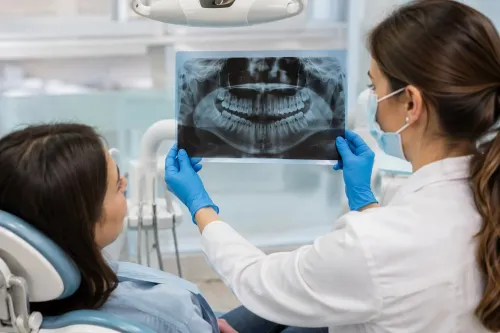
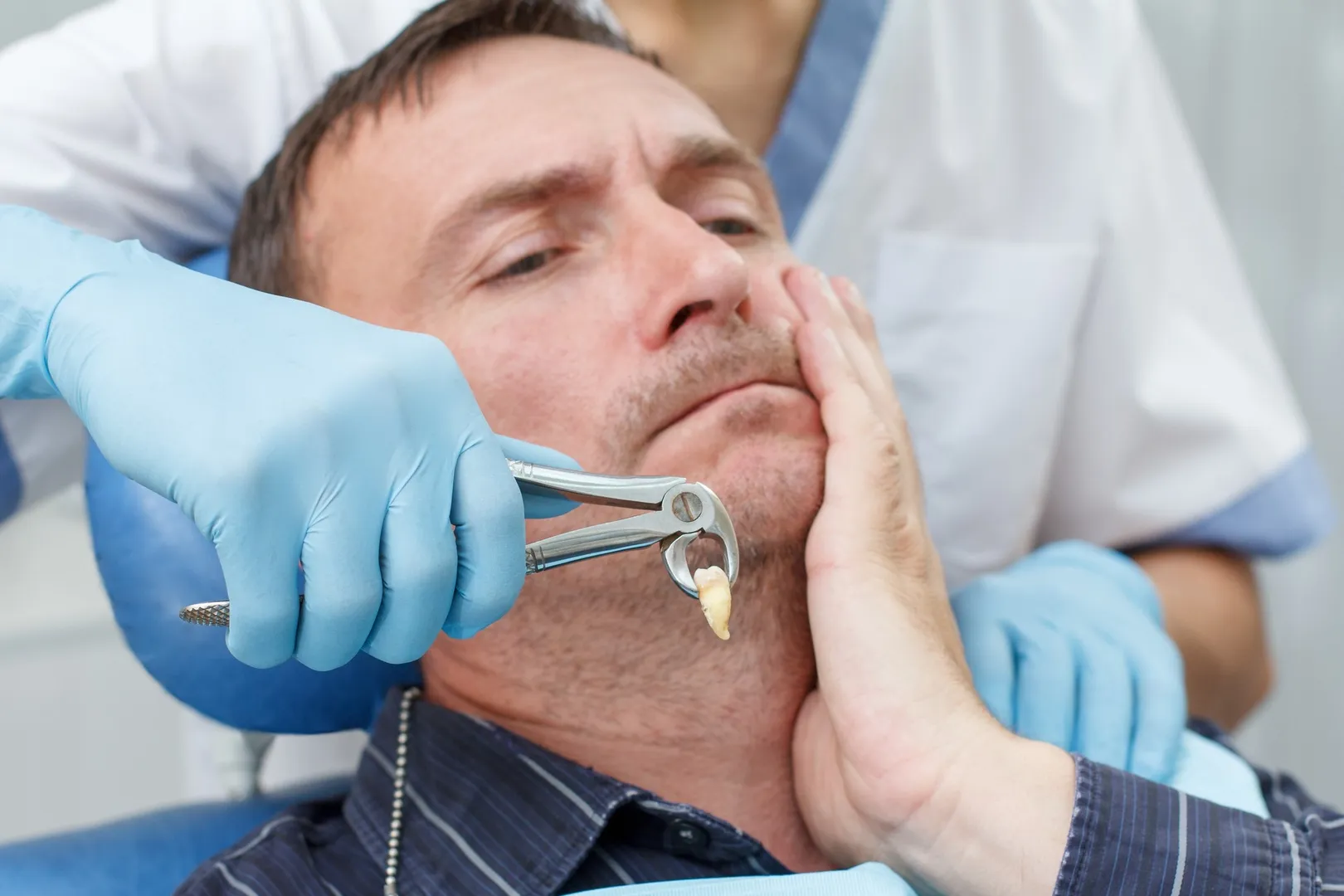
Removing a tooth is sometimes necessary, but extraction is not automatically the first choice whenever a tooth becomes painful or damaged. Tooth Extractions are generally considered after the dentist evaluates the condition of the tooth, surrounding tissues, symptoms, and available restorative options.
Understanding why extraction may be recommended and what follows afterwards can help patients make informed decisions.
When a Tooth May Need Removal
There are several reasons extraction may be considered.
A tooth may be extensively decayed and no longer predictably restorable. Severe fracture can leave insufficient healthy structure for reconstruction. Advanced periodontal disease may result in substantial loss of supporting tissues.
Extraction may also form part of selected orthodontic treatment plans or management of problematic teeth.
The key point is that the reason should be clearly established before the procedure.
Can the Tooth Be Saved
This is an important question to discuss with the dentist.
Some damaged teeth can be restored with fillings, root canal treatment, crowns, periodontal care, or combinations of procedures. Others have a poor prognosis despite extensive treatment.
Comparing the likely benefits, limitations, complexity, and long-term outlook of preservation with extraction can make the decision clearer.
Keeping a natural tooth is often desirable when it can be predictably maintained, but attempting to retain a tooth with a very poor prognosis is not always the most appropriate option.
What Happens During an Extraction
The procedure varies according to the position, shape, condition, and accessibility of the tooth.
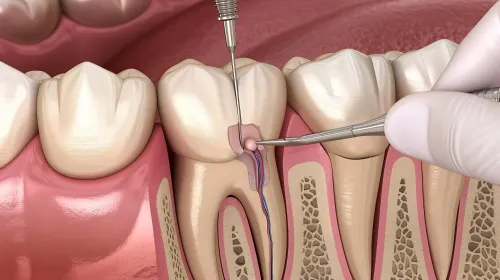
Some teeth can be removed through a relatively straightforward extraction. Others require a surgical approach.
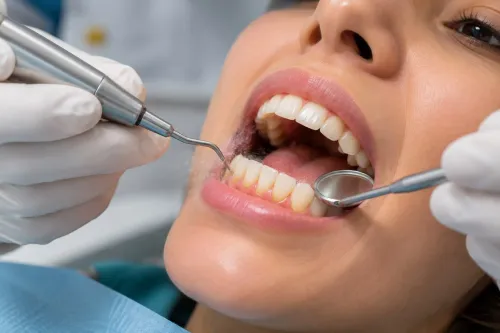
Local anaesthesia is commonly used to numb the treatment area. Patients should provide an accurate medical history and tell the dentist about medications, allergies, previous medical procedures, and relevant health conditions before treatment.
Recovery Requires Proper Aftercare
After extraction, a blood clot forms in the socket and plays an important role in early healing.
Patients should follow the specific instructions provided by their dentist. Advice may cover biting on gauze, eating suitable foods, oral hygiene, activity, medication use, and behaviours that could disturb the extraction site.
Increasing swelling, persistent heavy bleeding, fever, worsening pain, or other concerning symptoms should be reported promptly.
Think About the Space Left Behind
An extracted tooth can affect more than appearance.
Depending on which tooth is removed, the resulting space may influence chewing, neighbouring teeth, bite relationships, and future restorative planning.
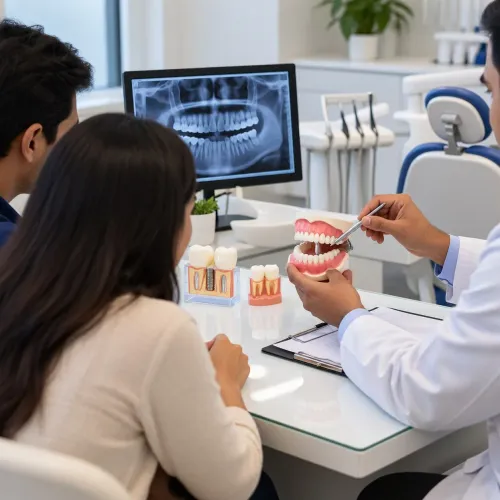
Possible replacement options can include a dental implant, fixed bridge, or removable prosthesis. Not every missing tooth necessarily requires the same solution, so replacement planning should be individualised.
For adults and senior citizens considering Tooth Extractions in Pune, PRYSM DENTAL STUDIO can evaluate whether removal is indicated and discuss what the treatment means for future dental function.
Extraction should be viewed as one part of an overall oral healthcare plan rather than an isolated procedure. Asking why the tooth needs removal, whether preservation is realistic, what recovery involves, and whether the missing tooth should eventually be replaced gives patients a more complete basis for making their decision.
Keywords