
Bleeding while brushing is easy to dismiss, particularly when there is no toothache. Yet recurring bleeding, gum swelling, persistent bad breath, or changes around the teeth can indicate a problem that deserves professional assessment. Gum Disease Treatment focuses on controlling inflammation and infection while protecting the tissues and bone that support the teeth.
Understanding the different stages of gum disease can help patients recognise why early dental attention matters.
Gum Problems Can Develop Gradually
Gum disease commonly begins when plaque accumulates around the gumline. If plaque is not removed effectively, inflammation can develop.
Early gum inflammation may cause:
- Red or swollen gums
- Bleeding during brushing or flossing
- Gum tenderness
- Persistent unpleasant breath
- Plaque and tartar accumulation
At this stage, symptoms may still appear relatively minor.
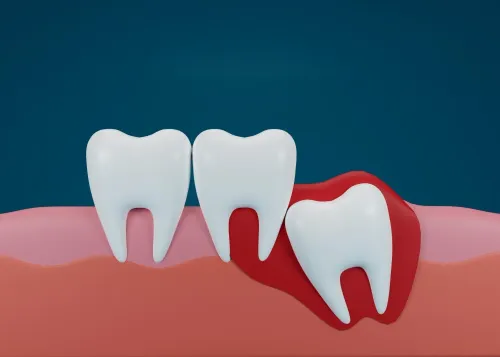
If periodontal disease progresses, the tissues supporting the teeth can become affected. Some patients may notice gum recession, spaces developing between teeth, changes in their bite, or tooth mobility.
Treatment Depends on the Stage
There is no single treatment plan suitable for every gum condition.
A dentist generally begins by assessing the gums, plaque and tartar levels, periodontal pockets, tooth stability, and other relevant findings. Dental X-rays may be recommended when information about supporting bone is required.
Management may include professional cleaning and improved home oral hygiene for early problems.
More established periodontal disease may require deeper cleaning procedures and closer periodontal monitoring. Selected cases may need additional periodontal treatment depending on the severity and response to initial care.
Daily Oral Hygiene Remains Important
Professional treatment cannot replace effective home care.
Patients are usually encouraged to follow an oral hygiene routine that includes brushing thoroughly twice a day and cleaning between the teeth. The appropriate interdental cleaning method can vary depending on spacing, restorations, gum condition, and dexterity.
Smoking and tobacco use are also important considerations because they can negatively affect periodontal health and healing.
Why Gum Health Matters Beyond Bleeding
Healthy gums provide essential support around the teeth. When periodontal disease becomes advanced, damage to supporting structures may eventually affect tooth stability.
This is one reason dentists do not evaluate gum disease only according to whether a patient experiences pain. Significant periodontal changes can sometimes progress with relatively little discomfort.
Regular dental examinations can therefore be useful even for people who believe their teeth feel normal.
When to Arrange an Assessment
Consider having your gums examined if bleeding happens repeatedly rather than occasionally, especially when accompanied by swelling, recession, bad breath, tenderness, or loose teeth.
Patients with diabetes, a history of periodontal disease, tobacco use, or previous extensive dental treatment may also need an individually determined preventive schedule.
For people seeking dental care in Pune, PRYSM DENTAL STUDIO can assess gum health as part of comprehensive oral care and determine whether professional cleaning, periodontal management, or further investigation is appropriate.
Effective Gum Disease Treatment is not simply about stopping visible bleeding. Its broader purpose is to manage disease, improve oral hygiene, and preserve the structures that keep natural teeth supported. Seeking assessment when symptoms first become noticeable can provide a clearer understanding of the problem before it becomes more complicated.
Keywords