Orthodontic treatment is often associated with creating a straighter smile, but appearance is only one reason people seek an assessment. Crowding, spacing, protruding teeth, and certain bite relationships can also affect cleaning, tooth wear, and everyday function. Orthodontics Care evaluates these concerns and determines whether tooth movement may provide a meaningful benefit.
Both children and adults can be assessed for orthodontic problems.
Signs Worth Having Evaluated
An orthodontic assessment may be useful when there is:
- Noticeable crowding
- Large spaces between teeth
- Teeth that protrude significantly
- Difficulty bringing the teeth together normally
- Crossbite or other bite irregularities
- Teeth erupting in unusual positions
- Difficulty cleaning crowded areas
- Concerns about smile alignment
These findings do not automatically mean treatment is required. Their severity and effect on oral health and function need to be assessed.
Braces Are Not the Only Consideration
Patients sometimes begin by asking which appliance they should choose.
The more important starting point is diagnosis.
Before discussing conventional braces, aesthetic braces, aligner-based treatment, or another method, the dentist or orthodontic provider needs to understand tooth positions, jaw relationships, periodontal health, existing restorations, and treatment goals.
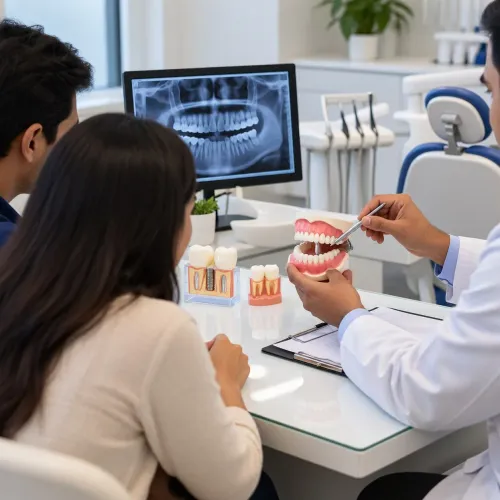
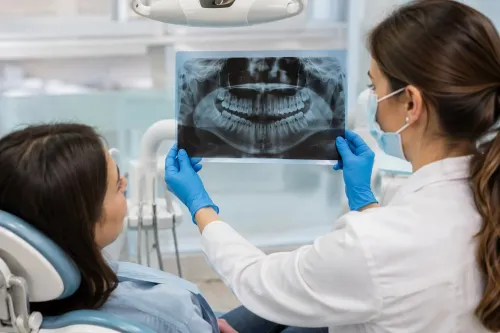
Appropriate records may include photographs, dental impressions or digital scans, and relevant radiographic imaging.
Adult Orthodontic Treatment Needs Careful Planning
Adults increasingly seek treatment for crowded or misaligned teeth. Age alone does not determine whether orthodontic treatment is possible.
However, adults may have existing crowns, fillings, missing teeth, implants, gum problems, or previous dental work. These factors can influence how treatment is planned.
Healthy supporting tissues are particularly important before moving teeth. Active gum disease may need to be managed first.
Children May Need Assessment at Different Stages
Parents often wonder when a child should first be assessed for tooth alignment.
Not every child needs early orthodontic treatment. However, monitoring dental development can identify eruption concerns, crowding, bite problems, or jaw relationships that may benefit from further evaluation.
Some conditions are monitored until more permanent teeth erupt, while selected problems may warrant earlier intervention.
The timing should be based on the child’s individual development rather than a standard treatment age.
Good Oral Hygiene Matters During Treatment
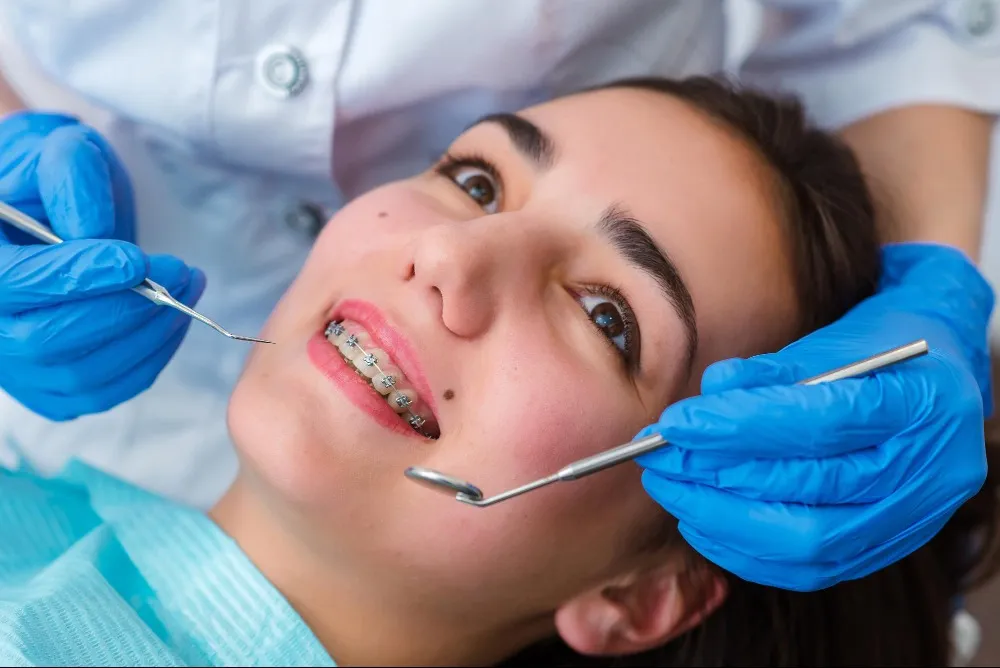
Orthodontic appliances can create additional areas where plaque and food accumulate.
Patients need consistent brushing and interdental cleaning throughout treatment. Regular dental examinations also remain important because orthodontic appointments do not replace routine preventive dental care.
Dietary guidance may also be provided depending on the appliance used.
For families and adults considering Orthodontics Care in Pune, PRYSM DENTAL STUDIO can evaluate alignment concerns and help establish what type of assessment or treatment pathway may be appropriate.
A successful orthodontic plan should do more than make teeth appear straight. It should consider the bite, supporting tissues, oral hygiene, existing dental work, realistic treatment goals, and long-term retention.
Patients in Pune and elsewhere in Maharashtra should therefore begin with a comprehensive evaluation rather than selecting an orthodontic appliance based only on advertisements or appearance. Understanding the underlying alignment problem first makes it easier to discuss appropriate treatment options and expected responsibilities throughout care.
Keywords