When a tooth has lost substantial structure or a gap is affecting function, a simple filling may not always provide the most appropriate restoration. Crowns and Bridges are fixed restorative options used in selected situations to rebuild damaged teeth and replace missing teeth.
Although they are often discussed together, crowns and bridges solve different dental problems.
When a Dental Crown May Be Recommended
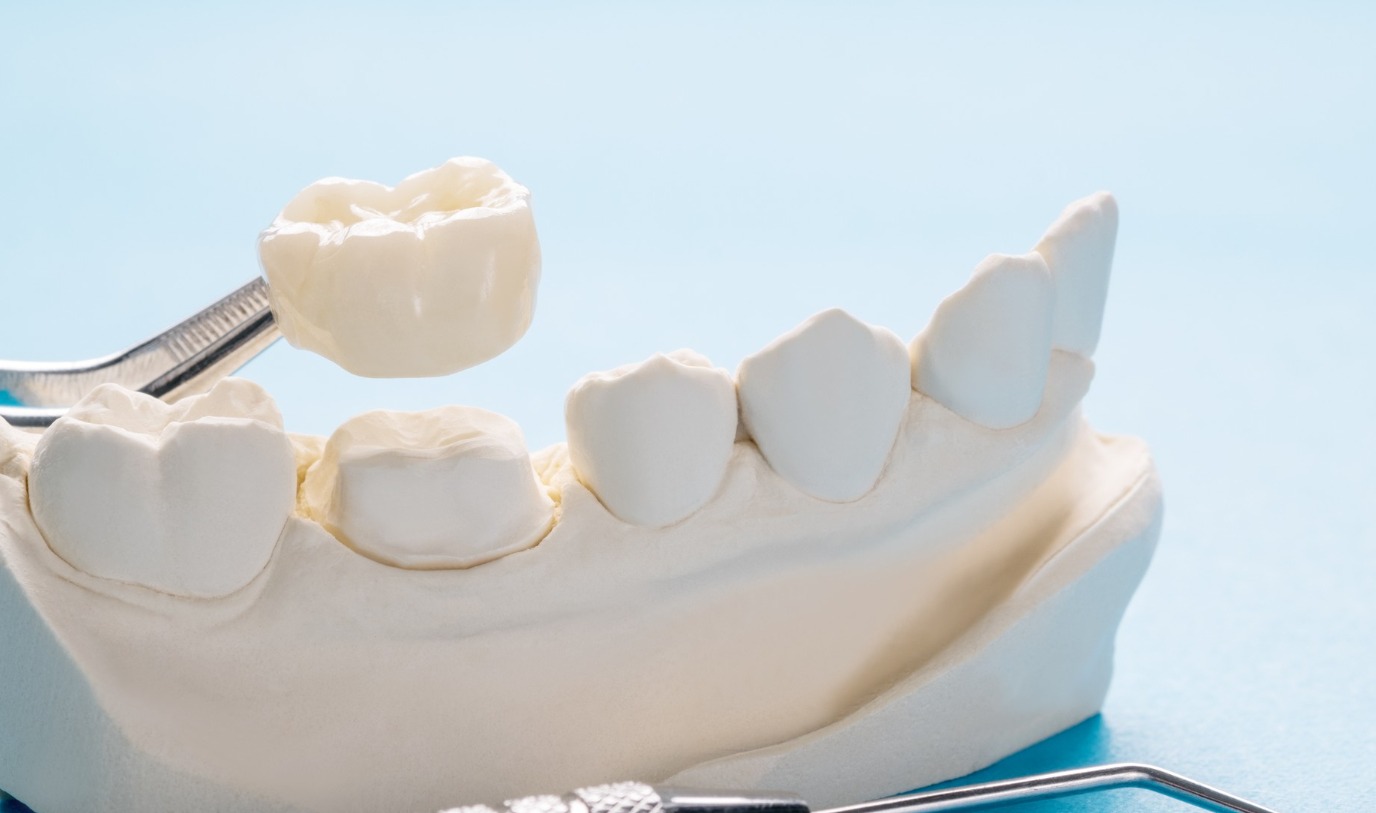
A crown covers and restores a tooth that needs more extensive reconstruction.
It may be considered when a tooth is:
- Significantly weakened
- Extensively filled
- Fractured or structurally compromised
- Restored after certain root canal treatments
- Being modified for specific functional or aesthetic reasons
A crown is not necessary for every damaged tooth. The amount and quality of remaining tooth structure, bite forces, tooth position, and restorative prognosis all influence the decision.
When a Bridge May Be Suitable
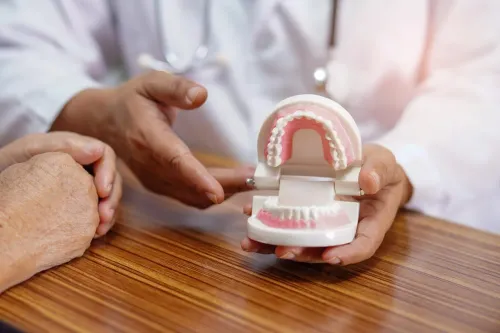
A fixed dental bridge replaces one or more missing teeth by using appropriate supporting structures.
Traditional bridges commonly depend on neighbouring teeth for support. Because those teeth play an important role in the restoration, their health and suitability need careful evaluation.
Other tooth-replacement options may include removable dentures and dental implants.
The best choice depends on the location of the missing tooth, supporting teeth, bone and gum condition, medical considerations, hygiene, treatment expectations, and budget.
What to Check Before Choosing Treatment
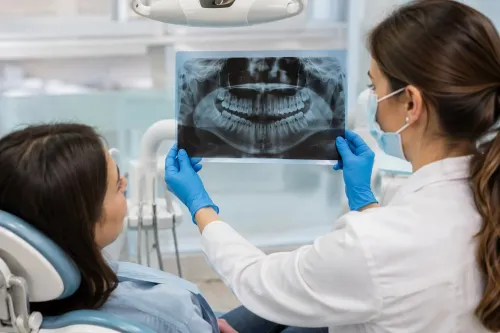
A detailed assessment should come before preparing teeth for a crown or bridge.
Ask the dentist about:
- The condition of the supporting tooth or teeth
- Gum and bone health
- Whether root canal treatment is required
- Alternative restorative options
- Materials appropriate for the area
- Expected maintenance
- How the restoration should be cleaned
- Factors that could affect longevity
Patients who grind or clench their teeth should also mention this because excessive forces can influence restorative planning.
Appearance Should Be Balanced with Function
For visible teeth, colour, shape, proportion, and integration with surrounding teeth may be important considerations.
Back teeth experience stronger chewing forces, which can affect material and design decisions.
Modern restorative planning therefore considers aesthetics and mechanical demands together rather than choosing a restoration purely according to appearance.
Maintenance Continues After Treatment
A crown cannot develop decay itself, but the natural tooth underneath can still experience problems around restoration margins.
Similarly, supporting teeth around a bridge need effective plaque control.
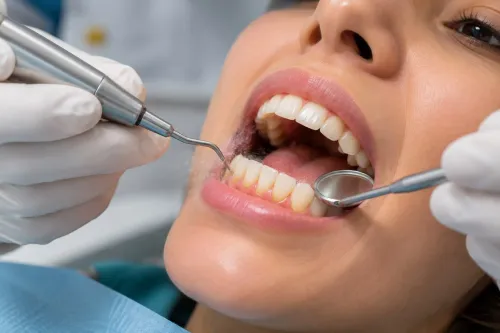
Patients should brush carefully and use appropriate methods to clean around and beneath fixed restorations. Dental reviews allow the dentist to assess the restoration, gums, bite, and supporting teeth over time.
For patients considering crowns and bridges in Pune, PRYSM DENTAL STUDIO can assess the condition of damaged and missing teeth before recommending a fixed restorative approach.
Patients throughout Pune and Maharashtra may encounter many restorative options, but the most suitable choice is the one based on the condition of the entire mouth rather than the appearance of one tooth alone.
Well-planned crowns and bridges can contribute to restoring chewing function, tooth form, and appearance when properly indicated. Their long-term performance also depends on healthy supporting tissues, appropriate design, effective oral hygiene, and ongoing dental maintenance.
Before committing to treatment, patients should understand why the restoration is being recommended, what alternatives are available, and what will be required to care for it afterwards.
Keywords