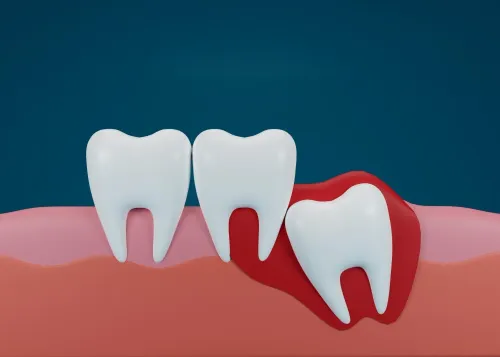
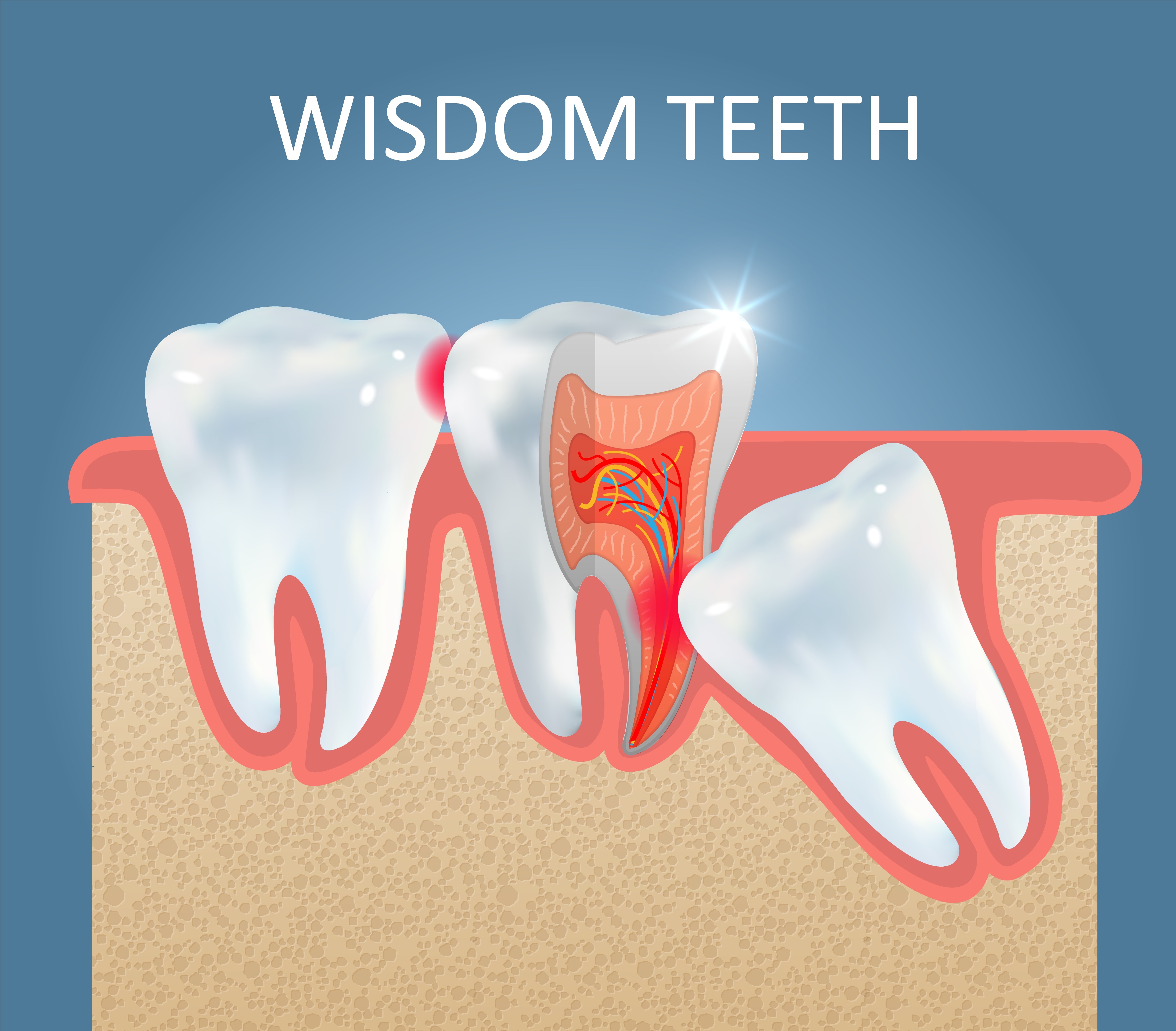
Wisdom teeth do not automatically need to be removed. Some erupt normally, remain functional, and can be maintained without difficulty. Others become partially erupted, impacted, decayed, infected, or difficult to clean. Wisdom Tooth Removal Treatment may be recommended when examination shows that a third molar is causing problems or presents a clinically relevant concern.
The decision should be based on the tooth’s position and condition rather than its presence alone.
Signs a Wisdom Tooth Needs Assessment
Arrange a dental evaluation if you develop symptoms around the back of the mouth such as:
- Repeated pain
- Swelling around the gum
- Difficulty opening the mouth
- Food trapping
- Persistent unpleasant taste
- Decay affecting a wisdom tooth
- Recurrent inflammation around a partially erupted tooth
Pain in this region does not always originate from the wisdom tooth, so diagnosis remains important.
Imaging Can Help with Treatment Planning
Wisdom teeth can develop at different angles and depths within the jaw.
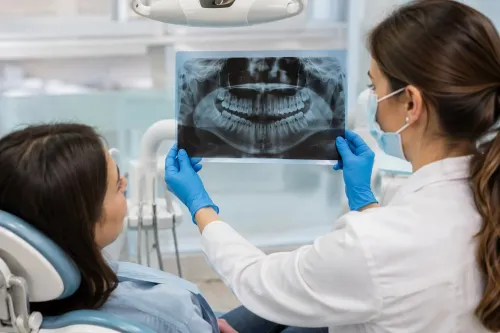
Appropriate dental imaging can help the dentist assess the position of the tooth, its roots, neighbouring structures, and other factors relevant to treatment.
Some wisdom teeth are relatively straightforward to remove. Others may require surgical removal because they are impacted or positioned below the gum and bone.
What Makes a Provider Assessment Important
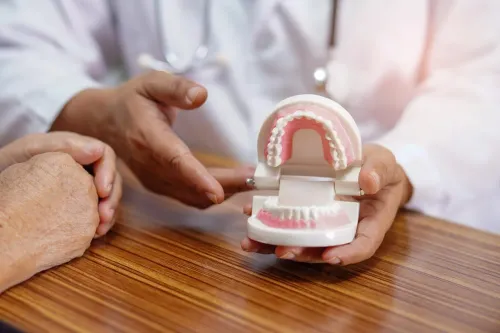
Before proceeding, patients should understand why removal has been recommended.
A thorough consultation should consider symptoms, clinical findings, imaging, medical history, medications, and the expected complexity of the procedure.
The dentist should also explain the anticipated recovery and possible complications relevant to the individual case.
No surgical procedure should be presented as completely risk-free.
Preparing for the Appointment
Provide an accurate list of medications and disclose relevant health conditions. If sedation or another specific approach is being considered, additional preparation instructions may apply.
Patients should follow the clinic’s pre-procedure instructions rather than relying on generic advice found online.
It can also be useful to plan the first day or two after treatment so that recommended rest and dietary adjustments are easier to manage.
Recovery Needs Attention
After removal, some discomfort and swelling can occur. The extent varies according to the procedure and the individual patient.
Follow the dentist’s instructions regarding oral hygiene, food, activity, and prescribed or recommended medicines. Protecting the healing socket is important during early recovery.
Contact the dental provider if symptoms become unexpectedly severe, worsen rather than improve, or include persistent bleeding, fever, increasing swelling, or other concerning changes.
For people considering Wisdom Tooth Removal Treatment in Pune, PRYSM DENTAL STUDIO can assess whether removal is actually indicated and determine the appropriate treatment approach based on clinical findings.
Access to timely assessment is particularly useful when repeated episodes of pain or swelling begin interfering with work, sleep, eating, or daily routines.
Choosing treatment should therefore begin with three questions: Is the wisdom tooth responsible for the problem, does it need to be removed, and what level of complexity is expected?
Clear answers to those questions give Pune patients a more useful basis for proceeding than simply assuming that every wisdom tooth requires surgery.
Keywords