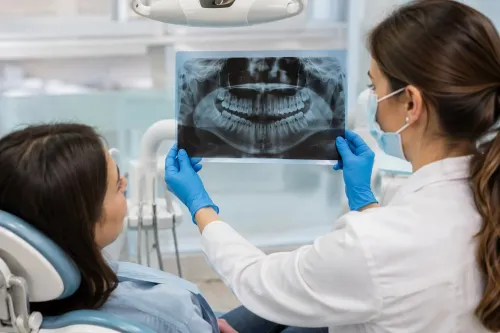
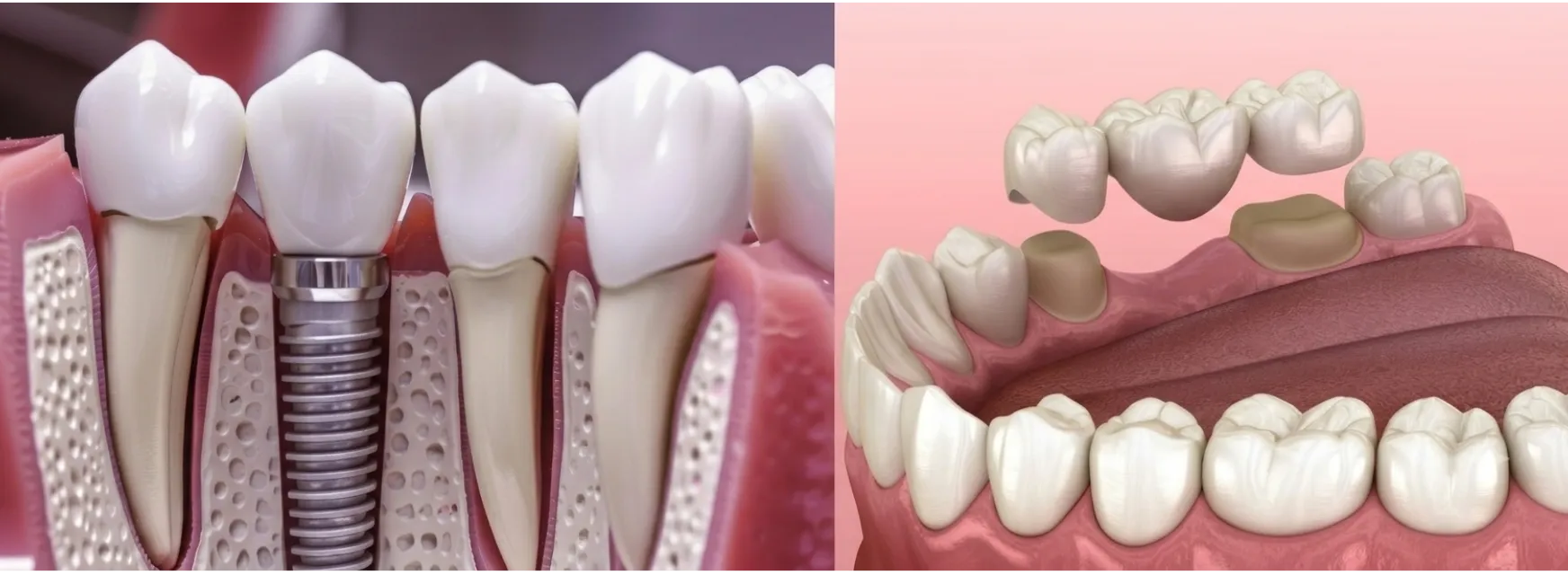
Missing teeth affect much more than appearance. They influence chewing efficiency, speech, facial structure, and long-term oral health.
Among the most common replacement options are dental implants and dental bridges. Both restore missing teeth effectively, but they differ in procedure, longevity, maintenance, and suitability.
Understanding these differences helps patients make informed decisions.
What Are Dental Implants?
Dental implants replace missing tooth roots using titanium posts placed into the jawbone. After healing, a custom crown is attached, creating a replacement tooth that closely resembles a natural one.
Because implants integrate with bone, they provide exceptional stability.
What Are Dental Bridges?
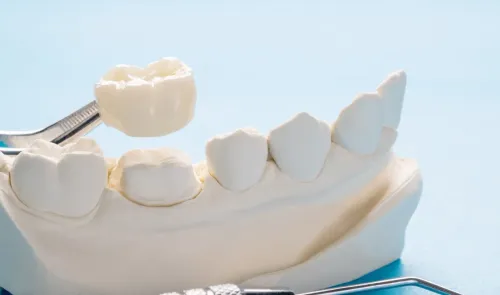
A dental bridge fills the gap created by one or more missing teeth using artificial teeth supported by neighboring natural teeth or implants.
Traditional bridges usually require reshaping adjacent healthy teeth to support the restoration.
Comparing Dental Implants and Bridges
Longevity
Dental implants often last decades with proper care.
Bridges generally have a shorter lifespan and may require replacement over time.
Jawbone Preservation
One major advantage of implants is their ability to stimulate the jawbone.
Without tooth roots, bone gradually shrinks after tooth loss. Implants help reduce this bone loss, while conventional bridges do not.
Treatment Time
Bridges are typically completed more quickly.
Dental implants require healing time before the final crown is placed, resulting in a longer treatment process.
Impact on Nearby Teeth
Dental implants function independently.
Bridges often rely on neighboring healthy teeth for support, requiring those teeth to be modified.
Oral Hygiene
Both restorations require regular brushing and flossing.
Special cleaning techniques may be needed beneath bridges to maintain healthy gums.
Who Is a Good Candidate for Dental Implants?
Patients may be suitable if they have:
- Healthy gums
- Adequate jawbone
- Good oral hygiene
- Controlled medical conditions
- Commitment to follow-up care
Not everyone qualifies immediately, but bone grafting or additional procedures may improve eligibility.
When Might a Bridge Be Preferred?
Bridges may be recommended when:
- Implant placement isn't medically advisable
- Faster treatment is preferred
- Bone volume is insufficient
- Budget considerations influence the decision
Professional Evaluation Matters
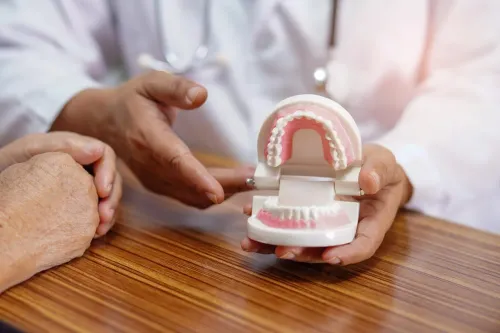
The right solution depends on factors including age, bone condition, oral health, number of missing teeth, and long-term goals.
At PRYSM DENTAL STUDIO, treatment recommendations are based on detailed clinical evaluation rather than a one-size-fits-all approach. Patients in Pune benefit from personalized guidance that considers both function and aesthetics.
Replacing missing teeth promptly supports healthier chewing, clearer speech, and better long-term oral health regardless of the restoration ultimately selected.
Keywords