Not every damaged tooth requires the same treatment. Sometimes a simple filling is enough to restore function, while in other cases a dental crown provides the strength needed to protect the tooth for years to come. Understanding the difference helps patients make informed decisions instead of waiting until a minor problem becomes a major one.
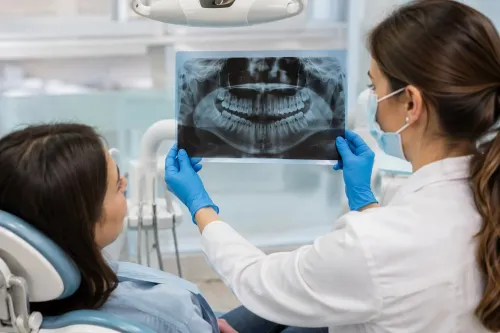
For people in Pune, regular dental check-ups often identify tooth damage early, making treatment simpler and more predictable.
When Is a Dental Filling Recommended?
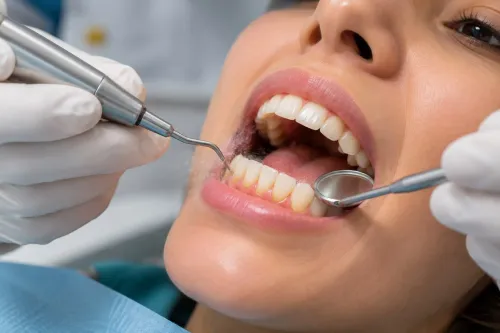
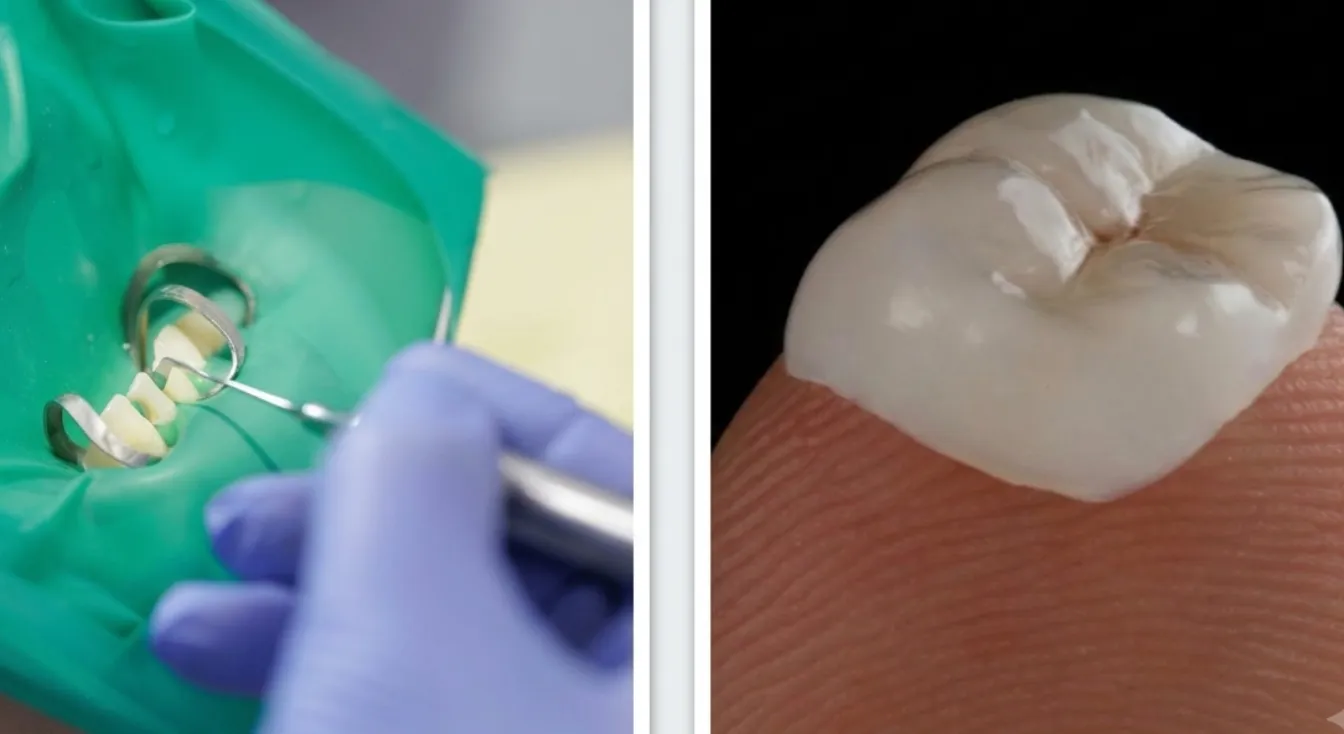
A filling is commonly used when tooth decay or damage affects only a small portion of the tooth. After removing the decayed area, the dentist restores the space using a durable filling material.
Fillings are generally suitable for:
- Small to moderate cavities
- Minor chips
- Early tooth decay
- Replacing old worn fillings
Since most of the natural tooth remains intact, fillings are considered a conservative treatment option.
When Does a Tooth Need a Crown?
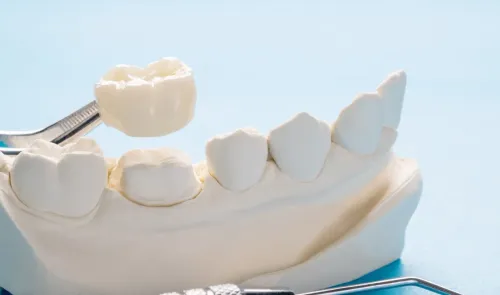
A crown covers the entire visible portion of a tooth, restoring both strength and appearance. It is often recommended when the remaining tooth structure is too weak to support a filling.
A crown may be the better option if:
- A large cavity has weakened the tooth
- A tooth has fractured
- Root canal treatment has been completed
- An old filling has repeatedly failed
- Significant tooth wear has occurred
By surrounding the tooth, the crown reduces the risk of further cracking or fracture.
Comparing Crowns and Fillings
Fillings restore smaller defects in teeth and are usually completed in one visit. They preserve more of the natural tooth structure and generally have a lower initial cost.
Crowns protect extensively damaged teeth by covering the entire tooth. They often require two appointments and provide greater long-term durability for heavily damaged teeth.
How Dentists Decide
The size of the damaged area is one of the biggest deciding factors.
If more than half of the tooth structure has been compromised, a crown often provides better long-term protection than a large filling. Bite forces, tooth location, and chewing habits also influence the recommendation.
Can a Filling Become a Crown Later?
Yes. Teeth restored with large fillings may eventually require crowns if additional decay develops or the tooth weakens over time. This is one reason why delaying dental care can lead to more extensive treatment.
Why Early Treatment Matters
Ignoring a cavity may eventually result in infection, fracture, or even tooth loss. Addressing dental problems while they are still small often means simpler, less invasive treatment.
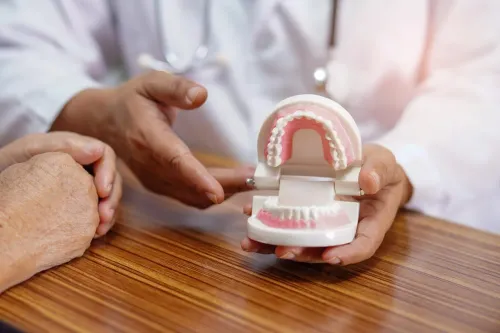
At PRYSM DENTAL STUDIO, treatment recommendations are based on preserving as much natural tooth structure as possible while ensuring long-term durability. Patients throughout Pune benefit from individualized care that considers both oral health and functional needs rather than relying on a one-size-fits-all solution.
Making the right restoration choice today helps protect your smile for many years ahead.
Keywords