Severe tooth pain often makes people assume that the tooth needs to be removed. In many situations, however, a damaged or infected tooth may still be restorable. Root Canal Treatment is used in selected cases to treat problems involving the dental pulp while allowing the natural tooth to remain in place.
The important question is not simply how painful the tooth feels, but what is causing the symptoms and whether the tooth can be predictably restored.
Symptoms That May Point to Pulp Problems
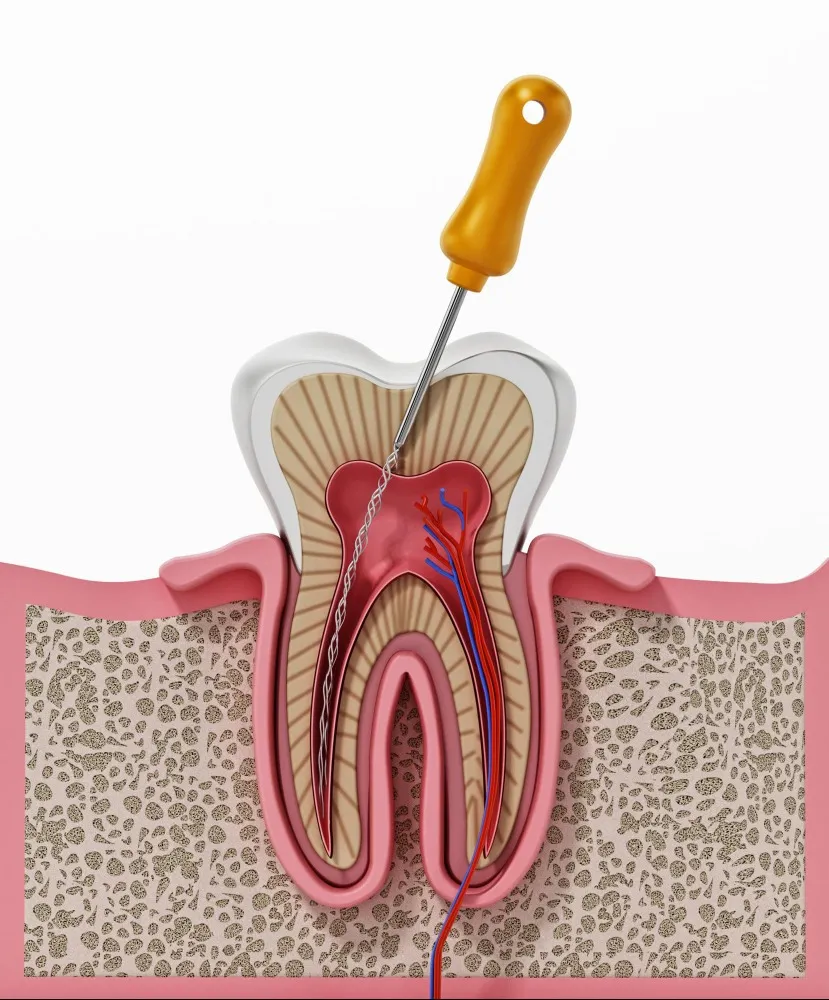
The pulp is the soft tissue inside the tooth containing nerves, blood vessels, and connective tissue. Deep decay, cracks, trauma, and other problems can cause inflammation or infection within this space.
Symptoms that warrant dental assessment include:
- Persistent or spontaneous toothache
- Prolonged sensitivity to hot or cold
- Pain when chewing or biting
- Swelling around a tooth
- Gum swelling or a recurring pimple-like area
- Tooth discolouration following trauma
Not every tooth requiring root canal therapy causes severe pain. Some pulp problems can become less painful as the nerve tissue deteriorates, even though infection remains.
Root Canal Treatment Compared with Extraction
Whether a tooth should be treated or removed depends on its condition.
If sufficient healthy structure remains and the tooth has an acceptable restorative and periodontal outlook, root canal therapy may allow it to be retained.
Extraction may be considered when the tooth is severely fractured, extensively damaged, has inadequate support, cannot be predictably restored, or presents another condition that makes preservation unsuitable.
A dentist should therefore assess the individual tooth rather than recommending treatment based solely on pain intensity.
What Happens During Treatment
During root canal therapy, the dentist accesses the internal root canal system, removes affected pulp tissue, cleans and shapes the canals, and fills them with appropriate material.
Treatment may involve one or more appointments depending on the tooth and clinical circumstances.
After root canal therapy, the tooth often requires a definitive restoration. Depending on the amount of remaining structure and the tooth involved, this could include a filling, crown, or another restorative approach.
Why the Final Restoration Matters
Removing infected or inflamed pulp tissue addresses the internal problem, but the tooth still needs to function under normal chewing forces.
Teeth that have lost substantial structure may be more vulnerable to fracture. The dentist therefore considers how best to restore and protect the tooth after endodontic treatment.
Patients should follow through with the recommended final restoration rather than assuming the procedure is complete once discomfort subsides.
Choosing Care Based on Diagnosis
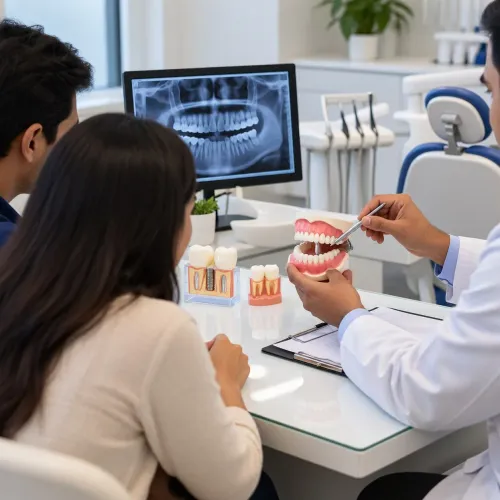
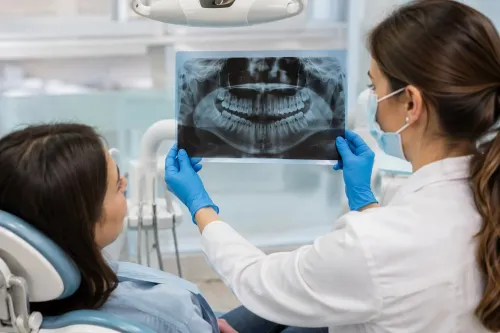
For Pune patients, convenience is important, but accurate diagnosis should remain the priority. Clinical examination and appropriate dental imaging can help establish whether symptoms arise from the pulp, gums, bite, neighbouring teeth, or another source.
At PRYSM DENTAL STUDIO, assessment can help determine whether Root Canal Treatment is appropriate and whether the affected tooth has a suitable long-term restorative outlook.
When tooth pain becomes persistent, interrupts sleep, causes swelling, or makes chewing difficult, delaying assessment can allow the underlying problem to become more complicated. The goal is not to choose root canal therapy automatically, but to understand the diagnosis and select a treatment that appropriately addresses the condition while preserving oral function wherever reasonably possible.
Keywords