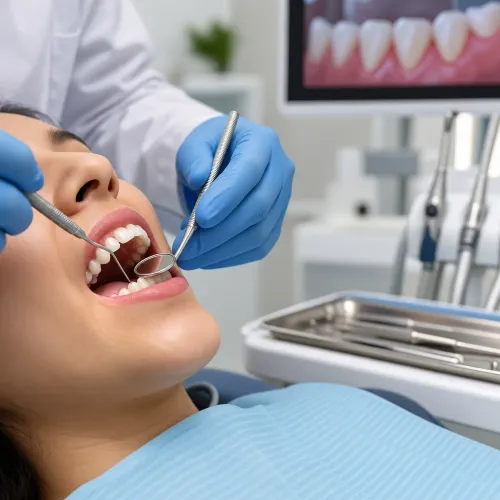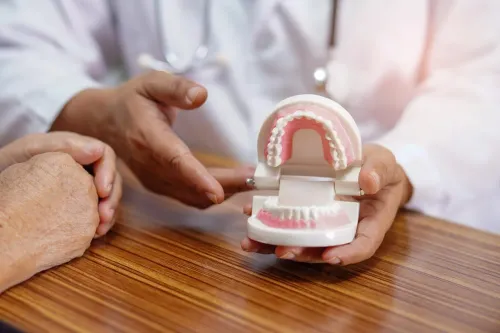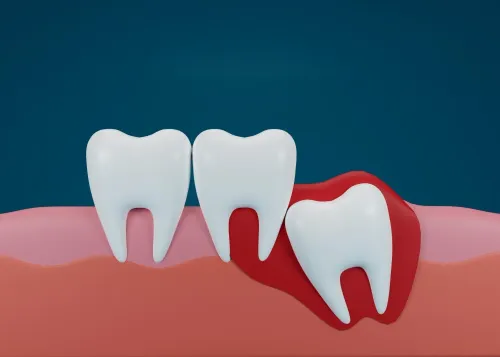
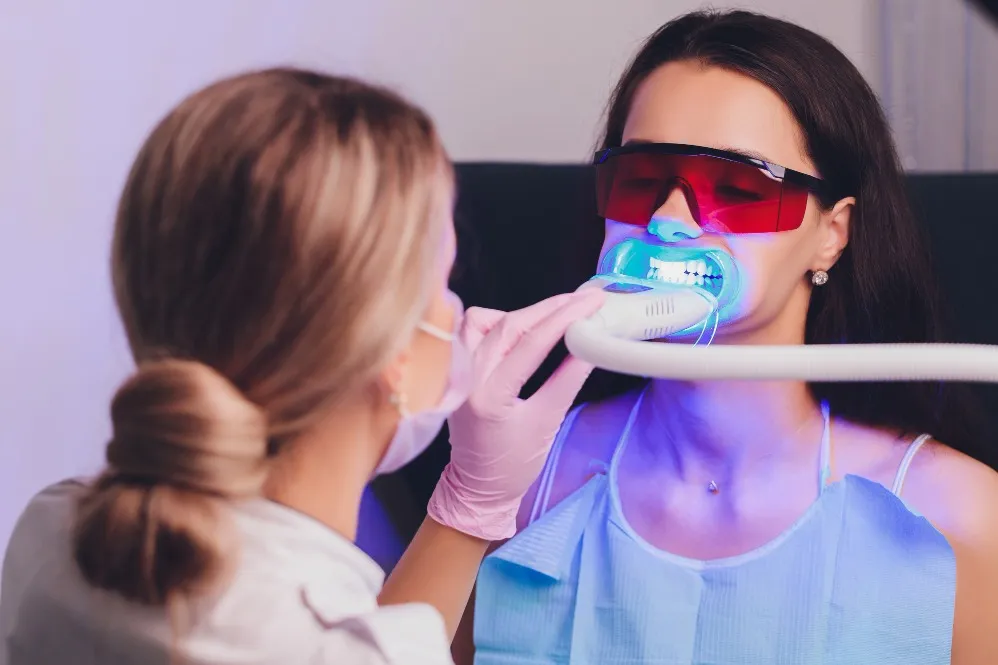
Daily brushing is essential for oral hygiene, but some deposits and surface stains may remain despite consistent home care. Tea, coffee, tobacco, certain foods, and plaque accumulation can affect how clean the tooth surfaces look and feel. Teeth Polishing Treatment is one procedure that may be used as part of professional dental cleaning when clinically appropriate.
It is useful to understand what polishing can accomplish and, equally importantly, what it cannot do.
What Teeth Polishing Actually Does
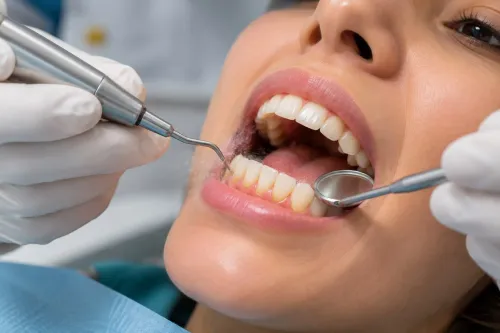
Dental polishing is designed to smooth and clean selected tooth surfaces after appropriate assessment and cleaning.
It may help remove certain external stains and residual deposits, leaving the tooth surfaces feeling smoother. The procedure is commonly associated with professional oral hygiene care rather than structural changes to the tooth.
Polishing is different from teeth whitening.
Whitening procedures are intended to alter the appearance of tooth colour using specific whitening agents. Polishing mainly addresses superficial deposits and extrinsic staining.
Why Scaling May Come Before Polishing
Some patients use the words scaling and polishing interchangeably, but the procedures serve different purposes.
Scaling is used to remove plaque and hardened calculus from tooth surfaces and around the gumline. Polishing can then be used selectively to smooth surfaces and address suitable surface staining.
If substantial tartar or gum inflammation is present, simply polishing the visible teeth would not address the underlying problem.
This is why professional assessment matters before deciding what type of cleaning is appropriate.
What Causes Surface Staining
External staining can develop for several reasons, including frequent consumption of tea and coffee, tobacco exposure, strongly pigmented foods and beverages, and plaque retention.
Pune patients who regularly consume tea or coffee may notice staining developing gradually, particularly in areas that are difficult to clean effectively.
However, not every type of discolouration is a surface stain. Changes occurring within the tooth may require a different cosmetic or restorative approach.
Can Polishing Make Teeth Look Better
Removing suitable surface stains may make teeth appear cleaner and more uniform. The degree of visible change varies because natural tooth colour remains unchanged.
Patients seeking a significantly lighter tooth shade should discuss whether professional whitening or another cosmetic option is more appropriate.
Similarly, discolouration caused by old fillings, crowns, enamel changes, or internal staining will not necessarily respond to polishing.
Maintaining the Result
Good oral hygiene helps limit the rapid return of plaque and staining.
Useful habits include:
- Brushing twice daily with appropriate technique
- Cleaning between the teeth
- Limiting tobacco exposure
- Rinsing with water after strongly staining beverages
- Attending dental reviews at intervals recommended for individual needs
Professional cleaning frequency should be based on oral health rather than automatically following the same schedule for everyone.
At PRYSM DENTAL STUDIO, patients in Pune can have their teeth and gums assessed before recommendations are made about scaling, polishing, periodontal care, or cosmetic procedures.
A Teeth Polishing Treatment can be useful when the goal is to address suitable surface stains and leave cleaned tooth surfaces smoother. It should not, however, be treated as a substitute for gum treatment, decay management, or professional whitening. Knowing the difference allows patients to choose dental care according to the actual condition of their teeth rather than appearance alone.
Keywords